

 Esperanto
 Shqiptare
 Euskara
 Zulu
Zulu
 Latinus
 Cymraeg
 தமிழ்
தமிழ்
 Slovak
 Slovak
 Afrikaans
Focus On Hot Spots
Contact Info
E-mail: txgs@taixifilter.com
Manager Xu: +86-15097925576
Manager Feng: +86-15803195413
Address: North side of Caiyuan Village, Gexianzhuang Town, Qinghe County, Xingtai City, Hebei Province (No. 250)
Filters for Air Conditioning Systems: The Ultimate Guide to Clean and Fresh Indoor Air
Release Time:
Nov 23,2023
Table of Contents: 1. Understanding the Role of Filters in Air Conditioning Systems 1.1 How Do Air Filters Work? 1.2 Importance of Clean Air Filters 2. Types of Air Conditioning Filters 2.1 Fiberglass Filters 2.2 Pleated Filters 2.3 Electrostatic Filters 2.4 High-Efficiency Particulate Air (HEPA) Filters 2.5 Activated Carbon Filters 2.6 UV Filters 3. Factors to Cons
1. Understanding the Role of Filters in Air Conditioning Systems
1.1 How Do Air Filters Work?
1.2 Importance of Clean Air Filters
2. Types of Air Conditioning Filters
2.1 Fiberglass Filters
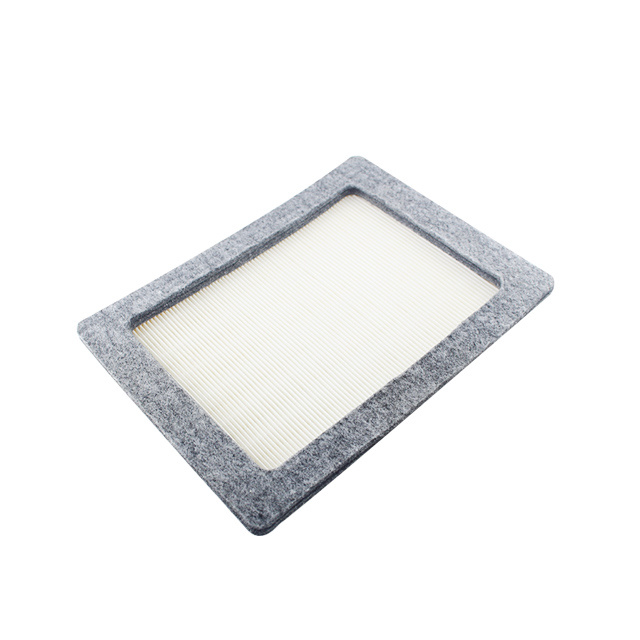
2.2 Pleated Filters
2.3 Electrostatic Filters
2.4 High-Efficiency Particulate Air (HEPA) Filters
2.5 Activated Carbon Filters
2.6 UV Filters
3. Factors to Consider When Choosing Air Filters
3.1 Filter Efficiency
3.2 Filter Size and Compatibility
3.3 MERV Rating
3.4 Filter Lifespan
3.5 Maintenance Requirements
4. Benefits of Using High-Quality Air Filters
4.1 Improved Indoor Air Quality
4.2 Health Benefits
4.3 Energy Efficiency
4.4 Extended Lifespan of HVAC Systems
5. Common Air Conditioning Filter Problems and Solutions
5.1 Clogged Filters
5.2 Inefficient Filtration
5.3 Incorrect Filter Installation
5.4 Lack of Regular Maintenance
6. How to Maintain and Replace Air Filters
6.1 Regular Cleaning and Inspection
6.2 Filter Replacement Schedule
6.3 Proper Installation Techniques
7. Frequently Asked Questions (FAQs)
7.1 What is the recommended frequency for filter replacement?
7.2 Can I reuse or wash air filters?
7.3 How do I choose the right filter size for my AC system?
7.4 Are HEPA filters suitable for all air conditioning systems?
7.5 Can I install filters on my own, or should I seek professional help?
8. Conclusion: Breathe Fresh, Clean Air with the Right Air Conditioning Filters
1. Understanding the Role of Filters in Air Conditioning Systems
1.1 How Do Air Filters Work?
Air filters in air conditioning systems play a crucial role in maintaining indoor air quality. These filters are designed to trap dust, pollen, pet dander, and other airborne particles, preventing them from circulating throughout your living space. As the air passes through the filter, the mesh or fibers capture these particles, allowing only clean air to enter your home.
1.2 Importance of Clean Air Filters
Clean air filters not only improve the air quality but also enhance the overall efficiency of your air conditioning system. When filters become clogged with pollutants, airflow is restricted, putting strain on the system and potentially leading to decreased performance and increased energy consumption. Regularly cleaning or replacing air filters ensures optimal performance and reduces the risk of system malfunctions.
2. Types of Air Conditioning Filters
2.1 Fiberglass Filters
Fiberglass filters are the most common and affordable option available. These filters consist of layered fiberglass fibers that capture larger particles but may not be as effective in trapping smaller contaminants. They are suitable for environments with minimal air pollution and low allergy concerns.
2.2 Pleated Filters
Pleated filters offer increased efficiency compared to fiberglass filters. The pleats provide a larger surface area for capturing particles, making them more effective in removing dust, mold spores, and pet dander. Pleated filters are available in various MERV ratings, indicating their filtration efficiency.
2.3 Electrostatic Filters
Electrostatic filters use static electricity to attract and capture airborne particles. These filters can be either washable or disposable. Washable electrostatic filters require regular cleaning to maintain their efficiency, while disposable ones are replaced when they become clogged.
2.4 High-Efficiency Particulate Air (HEPA) Filters
HEPA filters are highly efficient in removing microscopic particles from the air. They can capture up to 99.97% of particles as small as 0.3 microns, including pollen, bacteria, and smoke. HEPA filters are commonly used in hospitals, laboratories, and spaces with high allergen or pollution levels.
2.5 Activated Carbon Filters
Activated carbon filters are effective in eliminating odors, smoke, and volatile organic compounds (VOCs) from the air. These filters contain activated carbon, which chemically reacts with the pollutants, neutralizing them and leaving behind cleaner air. Activated carbon filters are often used in conjunction with other filter types for comprehensive air purification.
2.6 UV Filters
UV filters use ultraviolet light to kill bacteria, viruses, and mold spores that may be present in the air. These filters are particularly useful in preventing the spread of airborne diseases and maintaining a healthier indoor environment. UV filters are commonly installed in hospitals, clinics, and other high-risk areas.
3. Factors to Consider When Choosing Air Filters
3.1 Filter Efficiency
The efficiency of an air filter is determined by its ability to capture particles of different sizes. Filters with higher MERV ratings generally have higher filtration efficiency and can trap smaller particles. However, it is essential to choose a filter that matches your specific needs without causing excessive strain on your HVAC system.
3.2 Filter Size and Compatibility
Before purchasing an air filter, ensure it is compatible with your air conditioning system. Measure the existing filter or consult the system's manual to determine the correct dimensions. Using improperly sized filters can lead to air leakage and decreased filtration effectiveness.
3.3 MERV Rating
The Minimum Efficiency Reporting Value (MERV) rating is a standardized rating system that indicates a filter's efficiency in removing particles from the air. Higher MERV ratings indicate better filtration performance. However, it is crucial to balance filtration efficiency with the system's airflow capacity to avoid unnecessary strain.
3.4 Filter Lifespan
Consider the recommended filter replacement frequency when choosing an air filter. Filters with longer lifespans may require less frequent replacement, reducing maintenance efforts and costs. Additionally, select filters that are easily accessible and simple to replace for hassle-free maintenance.
3.5 Maintenance Requirements
Different filters require varying levels of maintenance. Some filters need regular cleaning, while others are disposable and should be replaced when dirty. Consider your time availability and preferences when selecting filters to ensure you can commit to the necessary maintenance routine.
4. Benefits of Using High-Quality Air Filters
4.1 Improved Indoor Air Quality
High-quality air filters effectively remove airborne pollutants, improving the overall air quality in your home. This is especially crucial for individuals with respiratory conditions, allergies, or sensitivities to airborne particles.
4.2 Health Benefits
Clean air filters help reduce exposure to allergens, bacteria, and other harmful particles, which can have significant health benefits. Breathing in clean air promotes better respiratory health, reduces allergy symptoms, and minimizes the risk of respiratory infections.
4.3 Energy Efficiency
When air filters are clean and functioning correctly, air can flow freely through the system, reducing the workload on the HVAC unit. This results in improved energy efficiency and lower utility bills.
4.4 Extended Lifespan of HVAC Systems
By preventing dust and debris from accumulating on HVAC components, high-quality air filters can extend the lifespan of your air conditioning system. They help maintain optimal performance and reduce the risk of costly repairs or premature system failure.
5. Common Air Conditioning Filter Problems and Solutions
5.1 Clogged Filters
Clogged filters restrict airflow and force the HVAC system to work harder, leading to decreased efficiency and potential damage. Regularly inspect and clean or replace filters to prevent clogging.
5.2 Inefficient Filtration
Using filters with low MERV ratings or improper installations can result in inefficient filtration. Ensure the filter you choose matches your specific requirements and follow the manufacturer's installation guidelines.
5.3 Incorrect Filter Installation
Improper filter installation can lead to air leakage, bypassing the filter entirely. Follow the manufacturer's instructions and ensure a secure and airtight fit.
5.4 Lack of Regular Maintenance
Neglecting regular filter maintenance can lead to decreased filtration efficiency and compromised indoor air quality. Establish a routine for cleaning or replacing filters to ensure optimum performance.
6. How to Maintain and Replace Air Filters
6.1 Regular Cleaning and Inspection
For washable filters, follow the manufacturer's instructions for cleaning frequency and proper cleaning techniques. Regularly inspect filters for signs of damage or excessive dirt buildup.
6.2 Filter Replacement Schedule
Disposable filters should be replaced according to the manufacturer's recommendations or when visibly dirty. Create a filter replacement schedule based on your specific needs and the filter's lifespan.
6.3 Proper Installation Techniques
Ensure the filter is inserted correctly and securely into the filter housing. Follow the system's manual or consult a professional if you are unsure about the installation process.
7. Frequently Asked Questions (FAQs)
7.1 What is the recommended frequency for filter replacement?
The recommended frequency for filter replacement varies depending on several factors, including the filter type, system usage, and indoor air quality. As a general guideline, disposable filters are typically replaced every 1-3 months, while washable filters should be cleaned every 1-2 months.
7.2 Can I reuse or wash air filters?
Washable filters can be reused after proper cleaning, while disposable filters should be replaced when dirty. Follow the manufacturer's instructions for washing and maintenance procedures.
7.3 How do I choose the right filter size for my AC system?
To choose the correct filter size, measure the dimensions of the existing filter or refer to the air conditioning system's manual. Filters that are too small or large may not fit properly, compromising filtration effectiveness.
7.4 Are HEPA filters suitable for all air conditioning systems?
HEPA filters may not be compatible with all air conditioning systems due to their high efficiency and potential airflow restrictions. Consult with an HVAC professional to determine if your system can accommodate HEPA filters.
7.5 Can I install filters on my own, or should I seek professional help?
Most air filters can be easily installed by homeowners. However, if you are unsure about the installation process or have a complex system, it is advisable to seek professional assistance to ensure correct installation and optimal performance.
8. Conclusion: Breathe Fresh, Clean Air with the Right Air Conditioning Filters
Choosing the right air conditioning filter is essential for maintaining clean and fresh indoor air. By understanding the different types of filters, their benefits, and the factors to consider when selecting one, you can create a healthier living environment. Regular maintenance and proper filter replacement are vital for ensuring optimal filtration efficiency and prolonging the lifespan of your HVAC system. Take control of your indoor air quality and breathe easy with the right air conditioning filters.
Key words:

* Please Enter Keywords
The company is mainly engaged in the manufacture and sale of auto parts and accessories in the automobile manufacturing industry, the manufacture and sale of automobile rubber products, and the import and export of auto parts.