

 Esperanto
 Shqiptare
 Euskara
 Zulu
Zulu
 Latinus
 Cymraeg
 தமிழ்
தமிழ்
 Slovak
 Slovak
 Afrikaans
Focus On Hot Spots

Contact Info
E-mail: txgs@taixifilter.com
Manager Xu: +86-15097925576
Manager Feng: +86-15803195413
Address: North side of Caiyuan Village, Gexianzhuang Town, Qinghe County, Xingtai City, Hebei Province (No. 250)
Filters for Air Conditioning Systems: Everything You Need to Know
Release Time:
Nov 23,2023
Air conditioning systems play a crucial role in maintaining a comfortable indoor environment in various industrial settings. While these systems are known for their cooling abilities, the role of filters often goes unnoticed. Filters are an integral component of air conditioning systems, ensuring the circulation of clean and healthy air. In this article, we will explore the importance of filters i
Filters in air conditioning systems serve two primary purposes: to protect the system and to improve indoor air quality. Let's delve into each of these functions:
1. Protecting the System:
Air conditioning systems consist of intricate components that are susceptible to damage from dust, dirt, and debris. Filters act as a barrier, preventing these particles from entering the system. By doing so, filters help to maintain the efficiency and longevity of the system. Regularly replacing or cleaning filters is crucial to prevent clogging, which can obstruct airflow and strain the system.
2. Improving Indoor Air Quality:
Clean and healthy air is essential for a conducive working environment. Filters trap airborne particles such as dust, pollen, pet dander, and mold spores, preventing them from circulating in the air. This helps to reduce respiratory issues and allergies among individuals in industrial settings. Additionally, filters also minimize odors and trap harmful gases, improving the overall air quality within the facility.
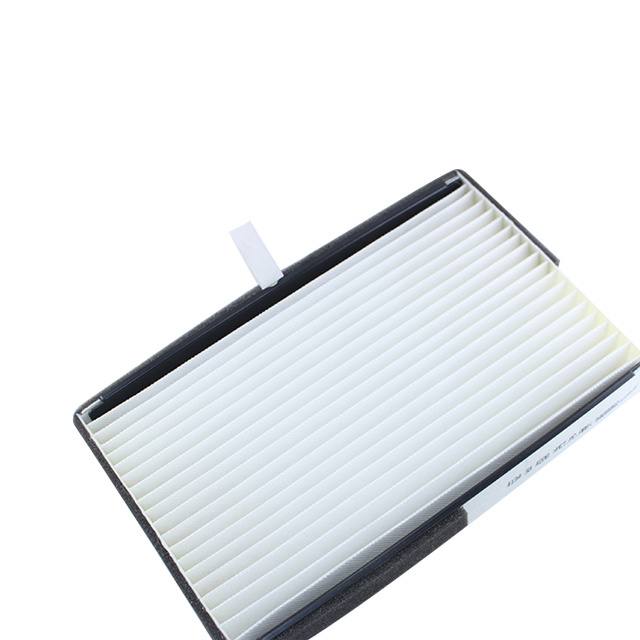
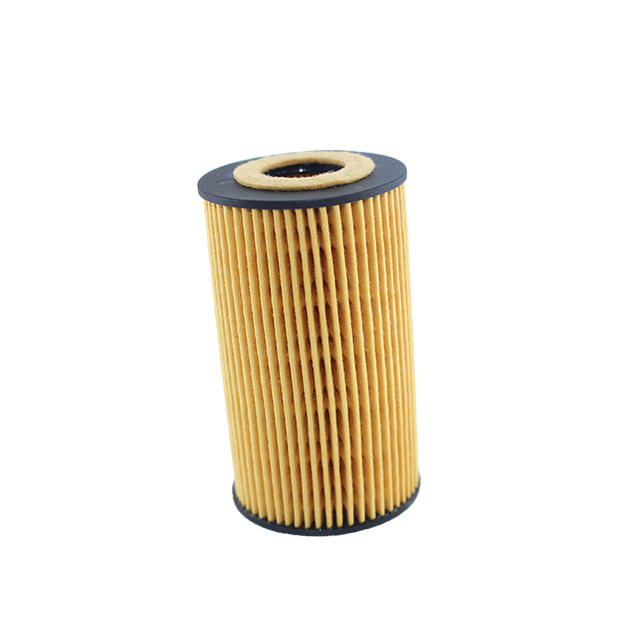
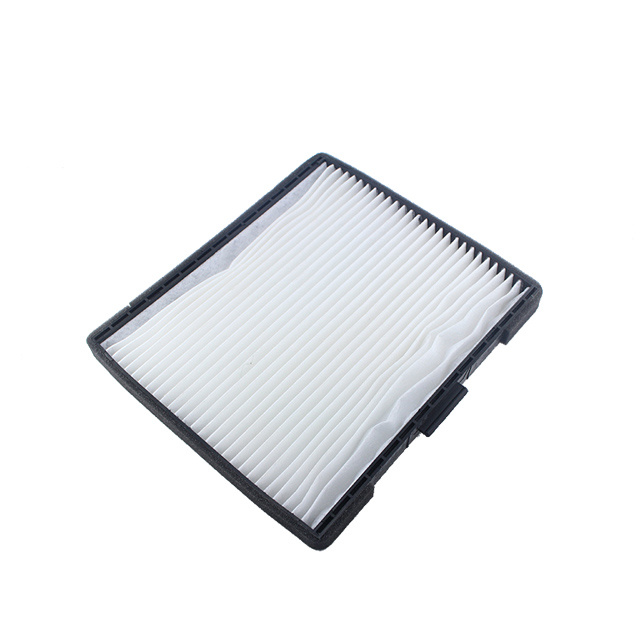
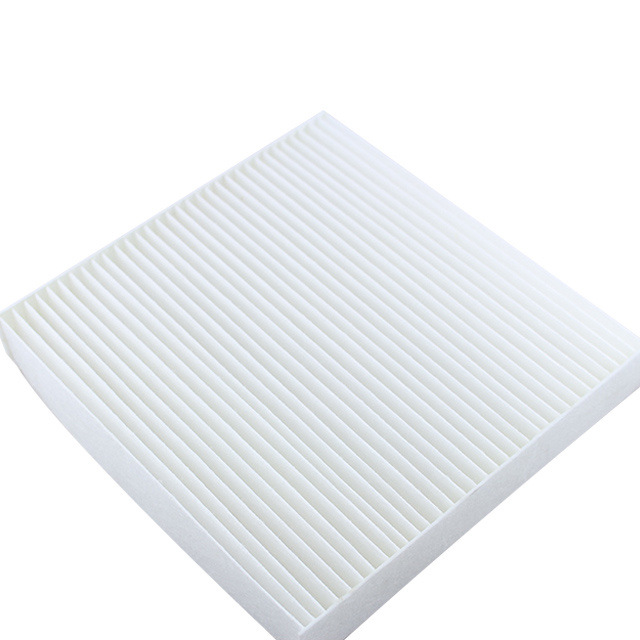
When selecting filters for air conditioning systems, various factors should be considered. These include the type of contaminants present, the required level of filtration efficiency, and the specific needs of the industrial facility. Common types of filters include fiberglass filters, pleated filters, and electrostatic filters. Consulting with a professional in the field can help determine the most suitable filter for a specific air conditioning system.
Regular maintenance of filters is crucial for their optimal performance. Filters should be inspected, cleaned, or replaced as recommended by the manufacturer or a qualified technician. Neglecting filter maintenance can lead to reduced efficiency, increased energy consumption, and potential damage to the air conditioning system.
In conclusion, filters are an essential component of air conditioning systems in the industrial equipment and components industry. They provide protection to the system and contribute to improved indoor air quality by trapping contaminants. Understanding the importance of filters and their maintenance can help industrial facilities ensure a clean and efficient air conditioning system, promoting a healthier and more comfortable working environment.
Key words:

* Please Enter Keywords
The company is mainly engaged in the manufacture and sale of auto parts and accessories in the automobile manufacturing industry, the manufacture and sale of automobile rubber products, and the import and export of auto parts.