

 Esperanto
 Shqiptare
 Euskara
 Zulu
Zulu
 Latinus
 Cymraeg
 தமிழ்
தமிழ்
 Slovak
 Slovak
 Afrikaans
Focus On Hot Spots
Contact Info
E-mail: txgs@taixifilter.com
Manager Xu: +86-15097925576
Manager Feng: +86-15803195413
Address: North side of Caiyuan Village, Gexianzhuang Town, Qinghe County, Xingtai City, Hebei Province (No. 250)
Understanding Filters for Air Conditioning Systems: A Comprehensive Guide
Release Time:
Nov 24,2023
Introduction: Filters play a vital role in maintaining the efficiency and longevity of air conditioning systems. In the industrial equipment and components industry, filters are essential components of filtration devices, ensuring clean and contaminant-free air circulation. This comprehensive guide will provide valuable insights into the world of filters for air conditioning systems, highlighting
Filters play a vital role in maintaining the efficiency and longevity of air conditioning systems. In the industrial equipment and components industry, filters are essential components of filtration devices, ensuring clean and contaminant-free air circulation. This comprehensive guide will provide valuable insights into the world of filters for air conditioning systems, highlighting their importance, various types, functions, and the benefits they offer.
Importance of Filters in Air Conditioning Systems:
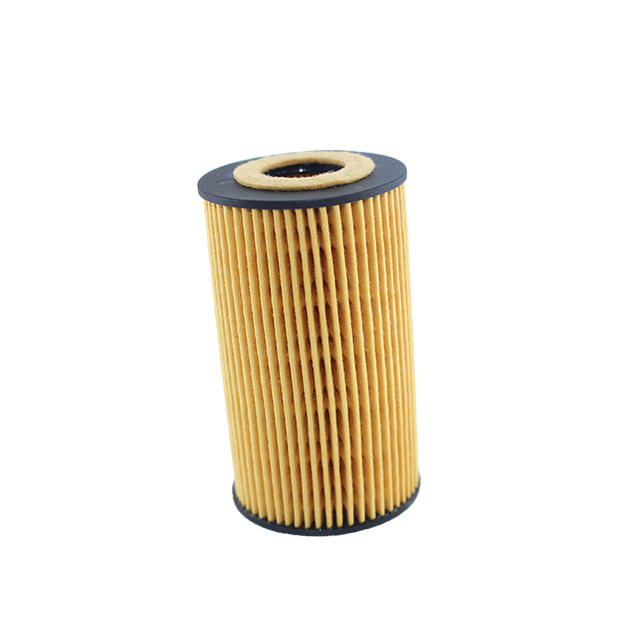
Filters are crucial for air conditioning systems as they effectively trap airborne particles, preventing them from entering the system. These particles can include dust, pollen, pet dander, mold spores, and even bacteria. By removing these contaminants, filters contribute to maintaining a clean and healthy indoor environment. Additionally, filters help prevent the accumulation of dirt and debris on system components, improving overall system efficiency and performance.
Types of Filters:
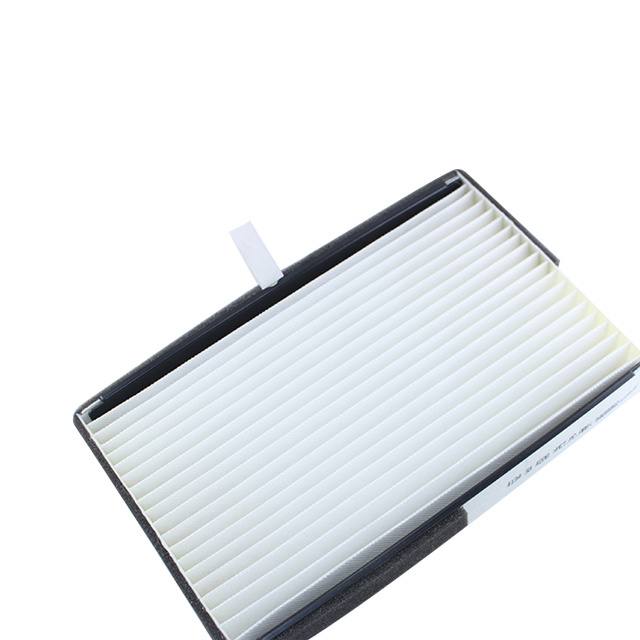
1. Fiberglass Filters: Fiberglass filters are inexpensive and commonly used in residential and commercial air conditioning systems. They are designed to capture larger particles and can effectively improve indoor air quality. However, they may not be as efficient in capturing smaller particles.
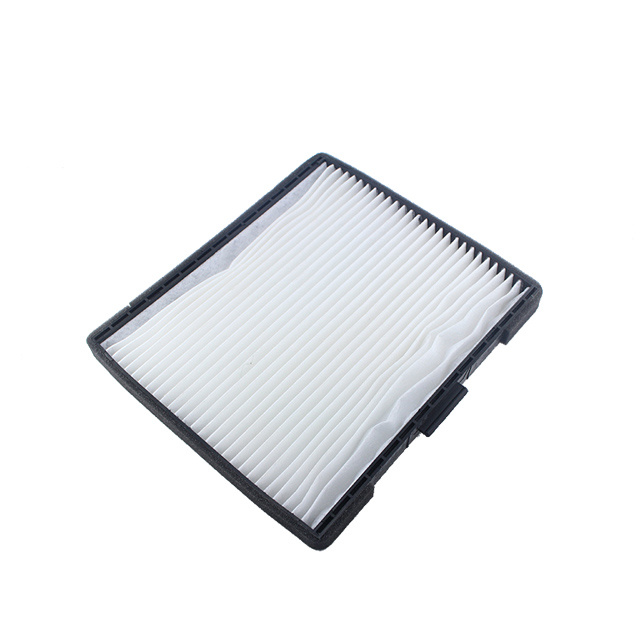
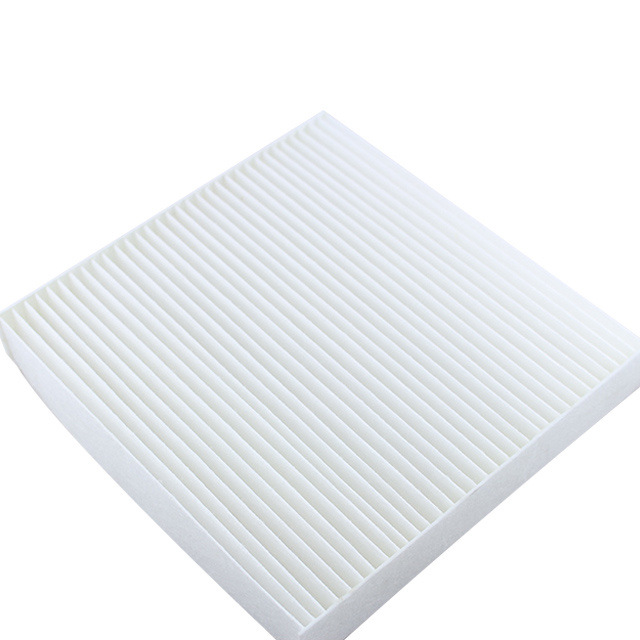
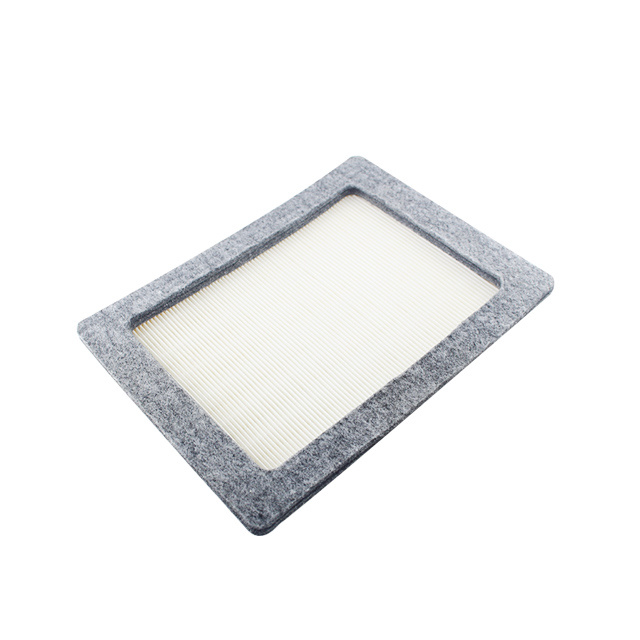
2. Pleated Filters: Pleated filters have a larger surface area compared to fiberglass filters, allowing them to capture a wider range of particles, including smaller ones. These filters are generally more effective in improving air quality and are commonly used in industrial settings.
3. High-Efficiency Particulate Air (HEPA) Filters: HEPA filters are known for their exceptional filtration capabilities. They can capture up to 99.97% of particles as small as 0.3 microns. HEPA filters are commonly used in environments where air quality is critical, such as hospitals, laboratories, and cleanrooms.
Benefits of Filters in Industrial Equipment and Components:
1. Improved Air Quality: Filters ensure that the air circulated by industrial equipment remains clean and free from contaminants. This is particularly important in industries where air quality is essential for maintaining product quality or protecting sensitive equipment.
2. Enhanced Equipment Performance: By preventing the accumulation of dirt and debris on system components, filters contribute to improved performance and efficiency of industrial equipment. This leads to cost savings and extends the lifespan of the equipment.
3. Health and Safety: Filters play a crucial role in maintaining a healthy and safe working environment. They reduce the risk of respiratory issues by preventing the circulation of harmful particles. Moreover, filters help maintain equipment integrity by preventing contamination and ensuring regulatory compliance.
Conclusion:
Filters are an integral part of air conditioning systems, especially in the industrial sector. They contribute to maintaining clean and healthy indoor environments, improving equipment performance, and ensuring the safety of workers. Understanding the different types of filters available and their benefits can help industries make informed decisions when selecting filtration devices. By prioritizing the use of high-quality filters, industrial equipment and component manufacturers can optimize their systems' efficiency and provide a healthier work environment for their employees.
Key words:

* Please Enter Keywords
The company is mainly engaged in the manufacture and sale of auto parts and accessories in the automobile manufacturing industry, the manufacture and sale of automobile rubber products, and the import and export of auto parts.