

 Esperanto
 Shqiptare
 Euskara
 Zulu
Zulu
 Latinus
 Cymraeg
 தமிழ்
தமிழ்
 Slovak
 Slovak
 Afrikaans
Focus On Hot Spots
Contact Info
E-mail: txgs@taixifilter.com
Manager Xu: +86-15097925576
Manager Feng: +86-15803195413
Address: North side of Caiyuan Village, Gexianzhuang Town, Qinghe County, Xingtai City, Hebei Province (No. 250)
Choosing the Right Filters for Your Industrial Air Conditioning Setup
Release Time:
Nov 24,2023
Table of Contents: 1. Introduction 2. Importance of Choosing the Right Filters for Industrial Air Conditioning 3. Understanding Different Types of Filters 4. Factors to Consider When Selecting Filters for Industrial Air Conditioning 5. Steps to Choose the Right Filters for Your Industrial Air Conditioning Setup 6. Common FAQs About Industrial Air Conditioning Filters 7. Conclusion 1. Introduction
1. Introduction
2. Importance of Choosing the Right Filters for Industrial Air Conditioning
3. Understanding Different Types of Filters
4. Factors to Consider When Selecting Filters for Industrial Air Conditioning
5. Steps to Choose the Right Filters for Your Industrial Air Conditioning Setup
6. Common FAQs About Industrial Air Conditioning Filters
7. Conclusion
1. Introduction
Welcome to our comprehensive guide on choosing the right filters for your industrial air conditioning setup. In this article, we will explore the importance of selecting the appropriate filters for your system, discuss different filter types, highlight key factors to consider, and provide step-by-step guidance for making the best choice. Whether you are a facility manager or an industrial air conditioning system owner, this article will equip you with valuable insights to optimize your system's performance and ensure clean and healthy air quality.
2. Importance of Choosing the Right Filters for Industrial Air Conditioning
Proper filtration is crucial for industrial air conditioning systems as it directly impacts system efficiency, air quality, and overall equipment performance. The right filters can effectively remove airborne contaminants, such as dust, pollen, mold spores, and bacteria, ensuring a cleaner and healthier working environment. By selecting the appropriate filters, you can minimize system downtime, reduce energy consumption, extend equipment lifespan, and comply with industry regulations.
3. Understanding Different Types of Filters
When it comes to industrial air conditioning filters, there are several types to choose from. Each type offers unique features and filtration capabilities. Some commonly used filters include:
- Fiberglass Filters: These are cost-effective filters suitable for capturing larger particles but may have limited effectiveness against smaller pollutants.
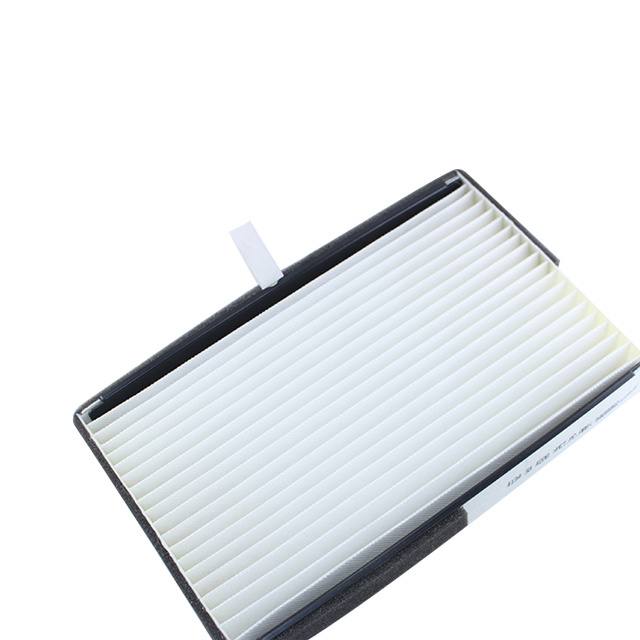
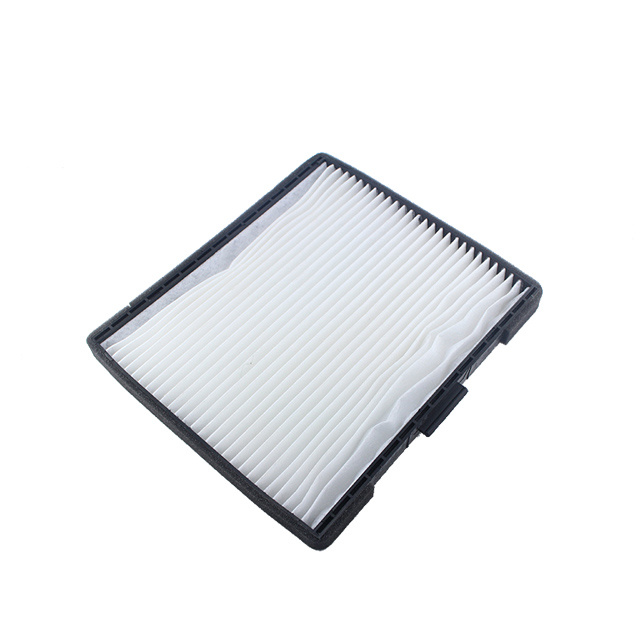
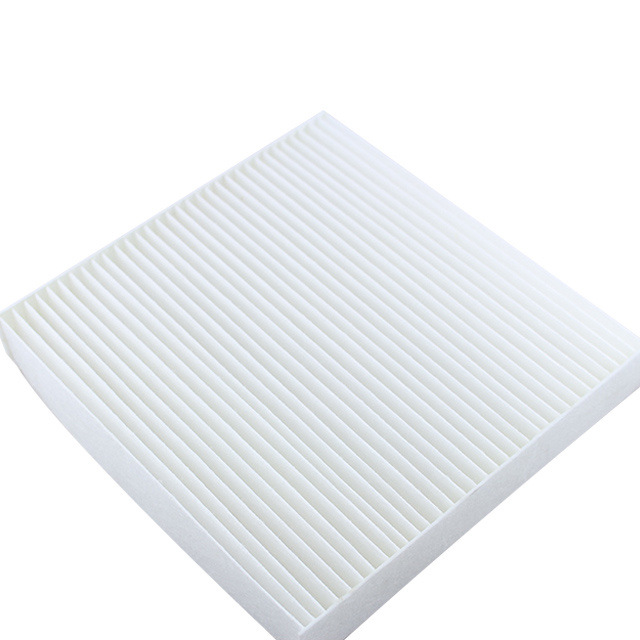
- Pleated Filters: These filters have a larger surface area, allowing them to capture more particles. They are available in various filtration efficiencies and are suitable for capturing smaller contaminants.
- High-Efficiency Particulate Air (HEPA) Filters: HEPA filters are highly efficient in trapping even the tiniest airborne particles. They are commonly used in environments that require strict air quality standards, such as hospitals and laboratories.
- Electrostatic Filters: These filters use electrostatic charges to attract and capture particles. They are effective against both large and small contaminants and can be reusable with proper maintenance.
- Activated Carbon Filters: Activated carbon filters are designed to remove odors, gases, and volatile organic compounds (VOCs) from the air. They are often used in industrial settings where chemical fumes are present.
4. Factors to Consider When Selecting Filters for Industrial Air Conditioning
Choosing the right filters for your industrial air conditioning setup requires careful consideration of various factors:
- Air Flow Requirements: Evaluate the required air flow rate of your system to ensure the filters you choose can handle the volume without causing pressure drops or reduced efficiency.
- Filtration Efficiency: Determine the level of filtration required based on your industry standards and air quality goals. Consider the size and type of particles you need to capture effectively.
- Filter Longevity: Assess the expected lifespan of different filter options and choose filters that can efficiently operate for desired periods before replacement.
- Maintenance and Replacement: Consider the ease of maintenance and replacement requirements to minimize downtime and ensure consistent performance of your air conditioning system.
- Environmental Impact: Take into account any environmental regulations or sustainability goals when selecting filters. Choose filters made from recyclable materials or those with low energy consumption.
5. Steps to Choose the Right Filters for Your Industrial Air Conditioning Setup
Follow these steps to ensure you make the best choice when selecting filters for your industrial air conditioning system:
Step 1: Assess Your Air Quality Needs - Identify the specific contaminants you need to address and the air quality standards you must meet.
Step 2: Determine Filtration Efficiency Requirements - Understand the desired level of filtration efficiency based on the size and type of particles you need to capture.
Step 3: Evaluate Air Flow Requirements - Determine the airflow rate necessary for your system and select filters that can handle the specified volume without impeding performance.
Step 4: Consider Filter Longevity - Assess the expected lifespan of different filter options and choose filters that align with your maintenance schedules and replacement budgets.
Step 5: Review Maintenance and Replacement Requirements - Consider the ease of maintenance and replacement procedures to ensure minimal disruption to your industrial operations.
Step 6: Consider Environmental Impact - Select filters that align with your organization's sustainability goals and any applicable environmental regulations.
6. Common FAQs About Industrial Air Conditioning Filters
Here are some frequently asked questions about industrial air conditioning filters:
FAQ 1: How often should industrial air conditioning filters be replaced?
FAQ 2: Can I clean and reuse filters in industrial air conditioning systems?
FAQ 3: Are there any industry standards for air conditioning filter efficiency?
FAQ 4: What are the signs of a clogged or ineffective air conditioning filter?
FAQ 5: Can using the wrong type of filter damage my industrial air conditioning system?
7. Conclusion
Choosing the right filters for your industrial air conditioning setup is essential for optimal system performance and air quality. By understanding the different filter types, considering various factors, and following a systematic approach, you can make informed decisions that align with your industry standards and specific requirements. Regular maintenance and filter replacement ensure consistent airflow, energy efficiency, and a healthier working environment. Selecting the right filters is an investment that pays off in long-term benefits for your industrial air conditioning system and those who rely on it.
Key words:

* Please Enter Keywords
The company is mainly engaged in the manufacture and sale of auto parts and accessories in the automobile manufacturing industry, the manufacture and sale of automobile rubber products, and the import and export of auto parts.