

 Esperanto
 Shqiptare
 Euskara
 Zulu
Zulu
 Latinus
 Cymraeg
 தமிழ்
தமிழ்
 Slovak
 Slovak
 Afrikaans
Focus On Hot Spots

Contact Info
E-mail: txgs@taixifilter.com
Manager Xu: +86-15097925576
Manager Feng: +86-15803195413
Address: North side of Caiyuan Village, Gexianzhuang Town, Qinghe County, Xingtai City, Hebei Province (No. 250)
Preventing Engine Damage with a Functioning Car Fuel Oil Filter: A Comprehensive Guide for Optimal Performance
Release Time:
Nov 25,2023
Table of Contents: 1. Introduction: Why a Functioning Car Fuel Oil Filter is Crucial 2. How Does a Car Fuel Oil Filter Work? 3. Common Types of Car Fuel Oil Filters 4. Signs of a Faulty Car Fuel Oil Filter 5. The Importance of Regular Maintenance for Your Car's Fuel Oil Filter 6. DIY Car Fuel Oil Filter Replacement: Step-by-Step Guide 7. Frequently Asked Questions (FAQs) 8. Conclusion 1. Introduct
1. Introduction: Why a Functioning Car Fuel Oil Filter is Crucial
2. How Does a Car Fuel Oil Filter Work?
3. Common Types of Car Fuel Oil Filters
4. Signs of a Faulty Car Fuel Oil Filter
5. The Importance of Regular Maintenance for Your Car's Fuel Oil Filter
6. DIY Car Fuel Oil Filter Replacement: Step-by-Step Guide
7. Frequently Asked Questions (FAQs)
8. Conclusion
1. Introduction: Why a Functioning Car Fuel Oil Filter is Crucial
Your car's engine is the heart of its performance, and protecting it from damage is paramount. A properly functioning car fuel oil filter plays a crucial role in this. By removing impurities and contaminants from the fuel oil, the filter ensures that only clean fuel reaches the engine. This article will guide you through the importance of a functioning fuel oil filter and the steps you can take to prevent engine damage.
2. How Does a Car Fuel Oil Filter Work?
Understanding how a car fuel oil filter works is essential in recognizing its significance. When you start your car, fuel is drawn from the fuel tank and passes through the filter. The filter traps dirt, debris, rust particles, and other contaminants, preventing them from entering the engine. Clean fuel then flows into the engine, ensuring efficient combustion and optimal performance.
3. Common Types of Car Fuel Oil Filters
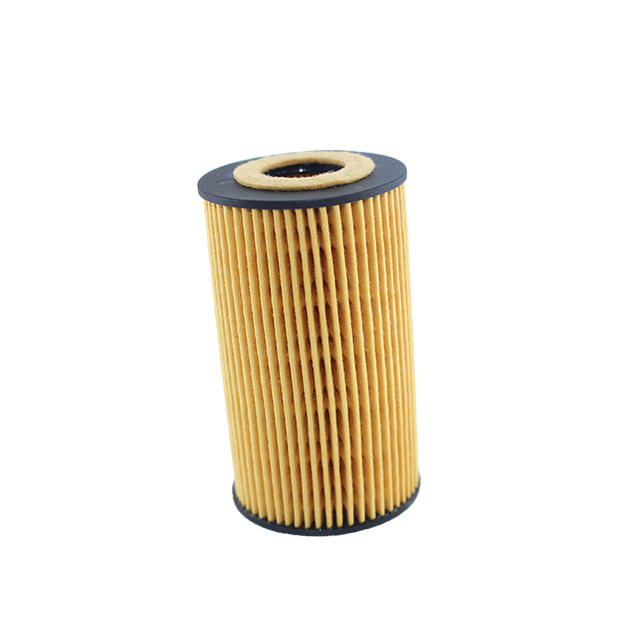
Car fuel oil filters come in various types, each designed to meet specific vehicle requirements. The most common types include spin-on filters, cartridge filters, and magnetic filters. Spin-on filters are easy to replace and popular among car owners. Cartridge filters offer excellent filtration efficiency, and magnetic filters capture metallic particles effectively. Understanding the different types will help you choose the right filter for your car.
4. Signs of a Faulty Car Fuel Oil Filter
Recognizing the signs of a faulty car fuel oil filter is crucial for early detection and prevention of engine damage. Some common indicators include decreased fuel efficiency, engine misfires, difficulty starting the engine, and unusual engine noises. If you notice any of these signs, it's essential to have your fuel oil filter inspected and replaced if necessary.
5. The Importance of Regular Maintenance for Your Car's Fuel Oil Filter
Regular maintenance is key to ensuring the proper functioning of your car's fuel oil filter. By adhering to manufacturer-recommended maintenance schedules, you can prevent engine damage and maintain optimal performance. This section will guide you through the necessary steps, including filter inspections, replacements, and fuel system cleanings. Don't overlook the importance of regular maintenance for your car's fuel oil filter.
6. DIY Car Fuel Oil Filter Replacement: Step-by-Step Guide
While professional maintenance is recommended, you can also replace your car fuel oil filter yourself. This step-by-step guide will walk you through the process, ensuring you do it correctly and safely. From gathering the necessary tools to removing the old filter and installing the new one, you'll gain the confidence to perform this essential maintenance task on your own.
7. Frequently Asked Questions (FAQs)
Here are some frequently asked questions about car fuel oil filters:
Q1: How often should I replace my car fuel oil filter?
A: It is recommended to replace your car fuel oil filter every 12,000 to 15,000 miles or as per your manufacturer's guidelines.
Q2: Can a clogged fuel oil filter cause engine damage?
A: Yes, a clogged fuel oil filter can restrict fuel flow to the engine, leading to engine damage over time.
Q3: How can I tell if my car fuel oil filter is clogged?
A: A decrease in engine performance, difficulty starting the engine, and unusual engine noises are signs of a potentially clogged fuel oil filter.
Q4: Can I clean and reuse a car fuel oil filter?
A: It is generally not recommended to clean and reuse car fuel oil filters as they are designed for single-use only. Replacement is the best practice.
Q5: Should I use OEM or aftermarket fuel oil filters?
A: Both OEM and aftermarket fuel oil filters can be effective. It's important to choose a filter that meets your car's specifications and quality standards.
8. Conclusion
Protecting your car's engine from damage is essential for optimal performance and longevity. A functioning car fuel oil filter plays a vital role in achieving this goal. Regular maintenance, including inspections and timely replacements, is crucial for ensuring the filter's effectiveness. By understanding the importance of a functioning fuel oil filter, you can take the necessary steps to prevent engine damage and enjoy a smooth driving experience.
Key words:

* Please Enter Keywords
The company is mainly engaged in the manufacture and sale of auto parts and accessories in the automobile manufacturing industry, the manufacture and sale of automobile rubber products, and the import and export of auto parts.