

 Esperanto
 Shqiptare
 Euskara
 Zulu
Zulu
 Latinus
 Cymraeg
 தமிழ்
தமிழ்
 Slovak
 Slovak
 Afrikaans
Focus On Hot Spots
Contact Info
E-mail: txgs@taixifilter.com
Manager Xu: +86-15097925576
Manager Feng: +86-15803195413
Address: North side of Caiyuan Village, Gexianzhuang Town, Qinghe County, Xingtai City, Hebei Province (No. 250)
Understanding the Different Types of Automotive Air Conditioning Filters
Release Time:
Nov 28,2023
Table of Contents: 1. Introduction: The Importance of Automotive Air Conditioning Filters 2. Types of Automotive Air Conditioning Filters 2.1 Pollen Filters 2.2 Cabin Air Filters 2.3 Particulate Filters 2.4 Carbon Filters 2.5 Electrostatic Filters 3. How Automotive Air Conditioning Filters Work 4. Benefits of Using High-Quality Automotive Air Conditioning Filters 5. FAQs about Automotive
1. Introduction: The Importance of Automotive Air Conditioning Filters
2. Types of Automotive Air Conditioning Filters
2.1 Pollen Filters
2.2 Cabin Air Filters
2.3 Particulate Filters
2.4 Carbon Filters
2.5 Electrostatic Filters
3. How Automotive Air Conditioning Filters Work
4. Benefits of Using High-Quality Automotive Air Conditioning Filters
5. FAQs about Automotive Air Conditioning Filters
5.1 How often should I change my automotive air conditioning filter?
5.2 Can I clean and reuse my automotive air conditioning filter?
5.3 Are all automotive air conditioning filters compatible with every car model?
5.4 Do I need to replace all automotive air conditioning filters at once?
5.5 Can a clogged air filter affect the performance of my car's air conditioning system?
6. Conclusion
1. Introduction: The Importance of Automotive Air Conditioning Filters
Automotive air conditioning filters play a crucial role in maintaining the air quality inside your car's cabin. They help filter out contaminants, allergens, and harmful particles, ensuring that you breathe clean and fresh air while driving. In this article, we will explore the different types of automotive air conditioning filters and their benefits.
2. Types of Automotive Air Conditioning Filters
2.1 Pollen Filters
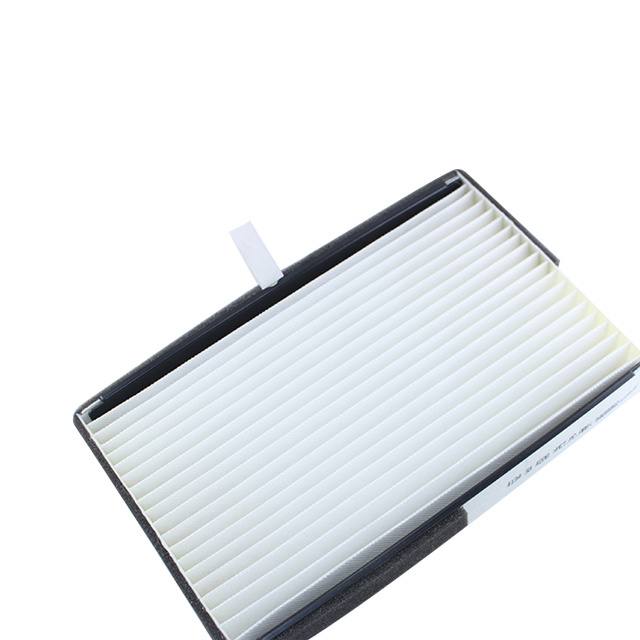
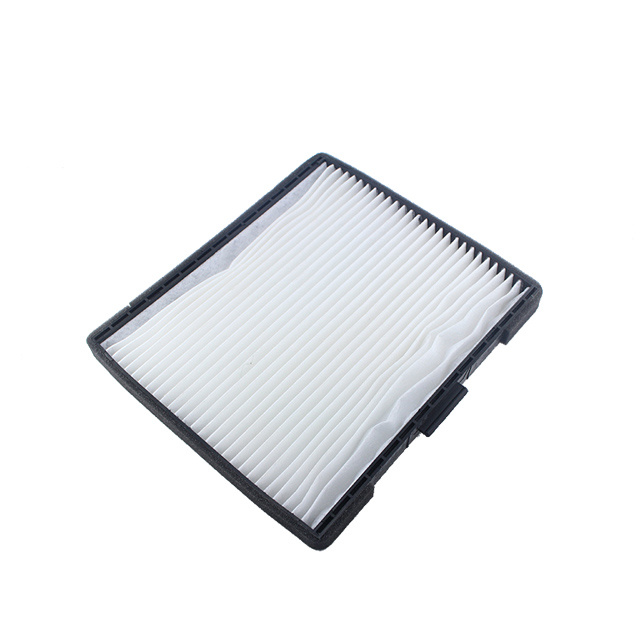
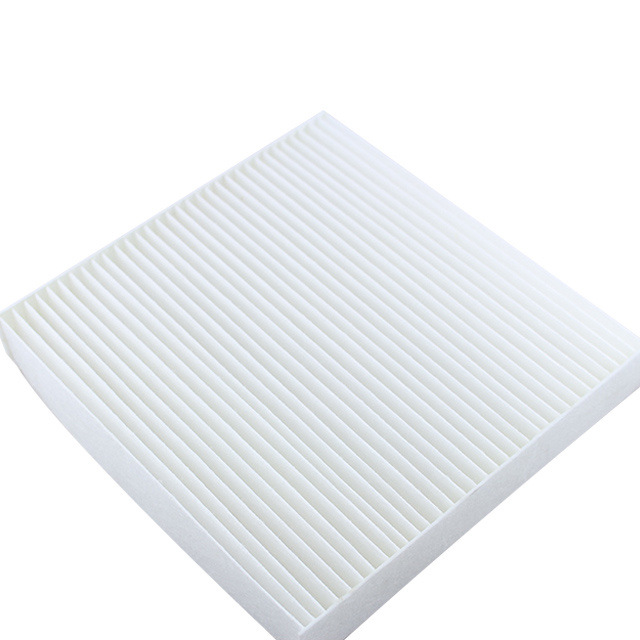
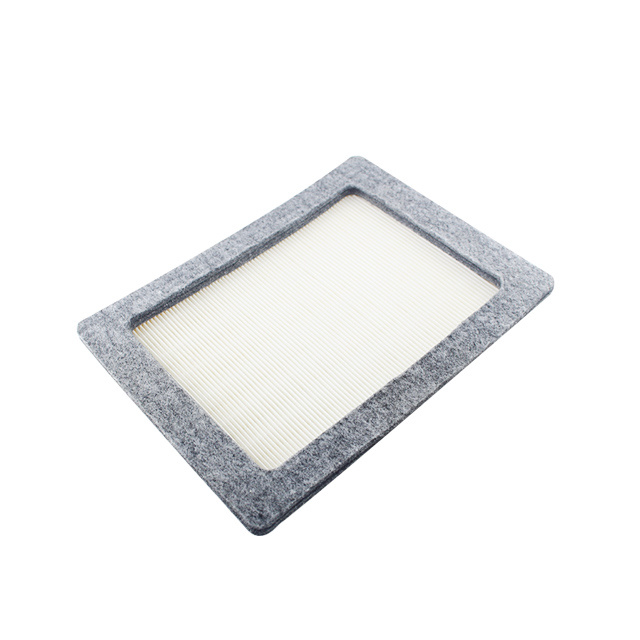
Pollen filters, also known as cabin air filters, are designed to trap pollen, dust, and other airborne particles. They are particularly useful for individuals with allergies or respiratory conditions as they prevent these allergens from entering the car's cabin.
2.2 Cabin Air Filters
Cabin air filters offer a higher level of filtration than pollen filters. They not only capture pollen and dust but also trap smaller particles, such as bacteria and mold spores. Cabin air filters provide a cleaner and healthier environment for both the driver and passengers.
2.3 Particulate Filters
Particulate filters are designed to remove fine particles, such as soot and exhaust emissions, from the air entering the car's cabin. They are commonly used in diesel-powered vehicles to reduce harmful emissions and improve air quality.
2.4 Carbon Filters
Carbon filters, also known as activated carbon filters, are effective in removing odors, gases, and volatile organic compounds (VOCs) from the air. They contain activated carbon granules that absorb and neutralize unpleasant smells, ensuring a fresh and odor-free cabin environment.
2.5 Electrostatic Filters
Electrostatic filters use a static charge to attract and trap airborne particles. They are highly efficient in capturing fine dust, pollen, and allergens. Electrostatic filters are often washable and reusable, making them a cost-effective option in the long run.
3. How Automotive Air Conditioning Filters Work
Automotive air conditioning filters work by trapping and filtering out contaminants and particles from the outside air before it enters the car's cabin. They are typically located behind the glove compartment or under the hood, depending on the car model. As air passes through the filter, it undergoes multiple filtration layers, ensuring that only clean air circulates inside the vehicle.
4. Benefits of Using High-Quality Automotive Air Conditioning Filters
Using high-quality automotive air conditioning filters offers several benefits:
- Improved air quality: Filters remove dust, pollen, and other harmful particles, providing cleaner and healthier air inside the car.
- Allergen reduction: Filters trap allergens, reducing the risk of allergic reactions for individuals with sensitivities.
- Odor elimination: Carbon filters effectively eliminate unpleasant odors, ensuring a fresh and pleasant cabin environment.
- Longevity of the HVAC system: Filters prevent contaminants from clogging the air conditioning system, leading to improved system performance and longevity.
- Enhanced driving comfort: Breathing clean air contributes to a more enjoyable driving experience.
5. FAQs about Automotive Air Conditioning Filters
5.1 How often should I change my automotive air conditioning filter?
The frequency of filter replacement depends on various factors like driving conditions and the environment. It is generally recommended to replace the filter every 12,000 to 15,000 miles or at least once a year.
5.2 Can I clean and reuse my automotive air conditioning filter?
Some filters, like electrostatic filters, are washable and reusable. However, most filters are designed for single-use and need to be replaced when they become clogged or worn out.
5.3 Are all automotive air conditioning filters compatible with every car model?
No, automotive air conditioning filters come in different sizes and designs to fit specific car models. It is essential to check your car's manufacturer's specifications or consult a professional to ensure compatibility.
5.4 Do I need to replace all automotive air conditioning filters at once?
Typically, cars have multiple filters in the air conditioning system, including pollen filters, cabin air filters, and particulate filters. It is recommended to replace all the filters simultaneously to ensure optimal performance and air quality.
5.5 Can a clogged air filter affect the performance of my car's air conditioning system?
Yes, a clogged air filter can restrict airflow, reducing the efficiency of the air conditioning system. It may result in decreased cooling performance and increased strain on the system, leading to potential damage.
6. Conclusion
Understanding the different types of automotive air conditioning filters is crucial for maintaining a healthy and comfortable cabin environment. Whether you choose pollen filters, cabin air filters, particulate filters, carbon filters, or electrostatic filters, each type offers unique benefits in improving air quality and enhancing your driving experience. Regularly replacing these filters ensures that you and your passengers breathe clean and fresh air while on the road.
Key words:

* Please Enter Keywords
The company is mainly engaged in the manufacture and sale of auto parts and accessories in the automobile manufacturing industry, the manufacture and sale of automobile rubber products, and the import and export of auto parts.