

 Esperanto
 Shqiptare
 Euskara
 Zulu
Zulu
 Latinus
 Cymraeg
 தமிழ்
தமிழ்
 Slovak
 Slovak
 Afrikaans
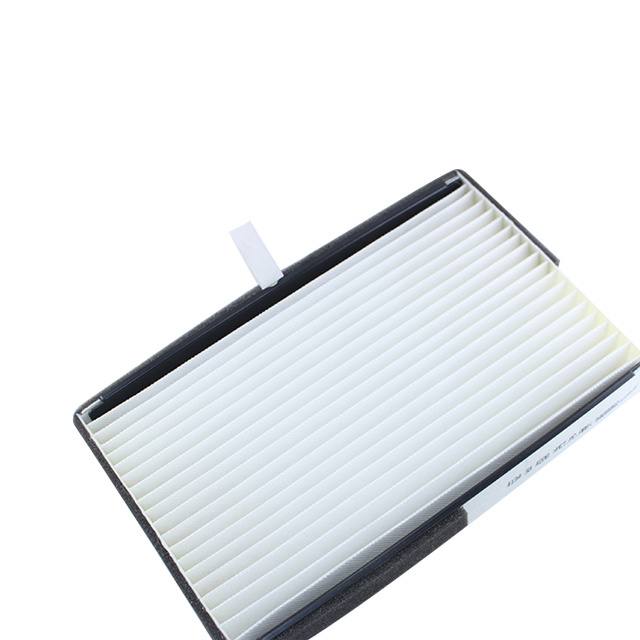
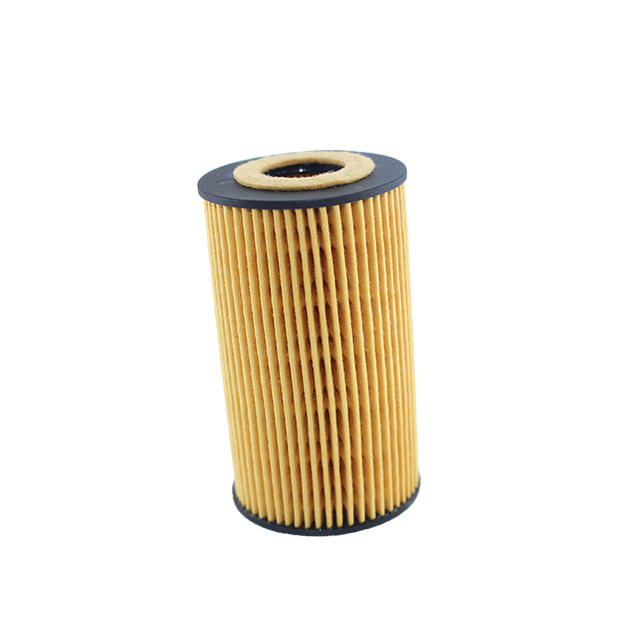
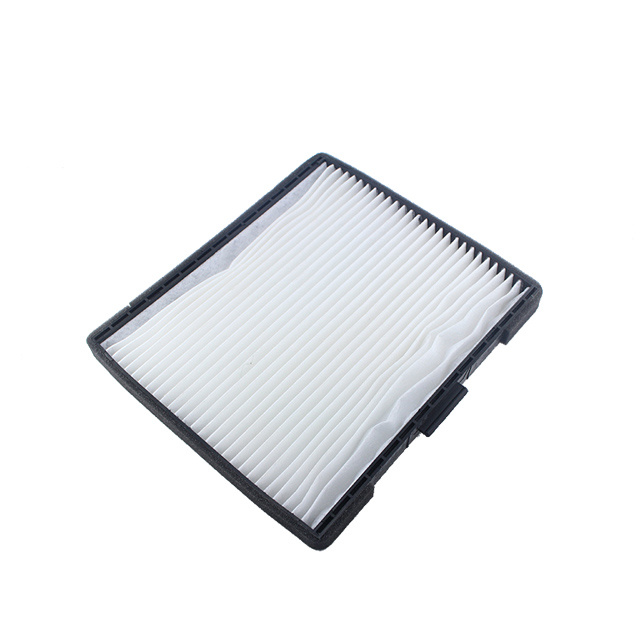
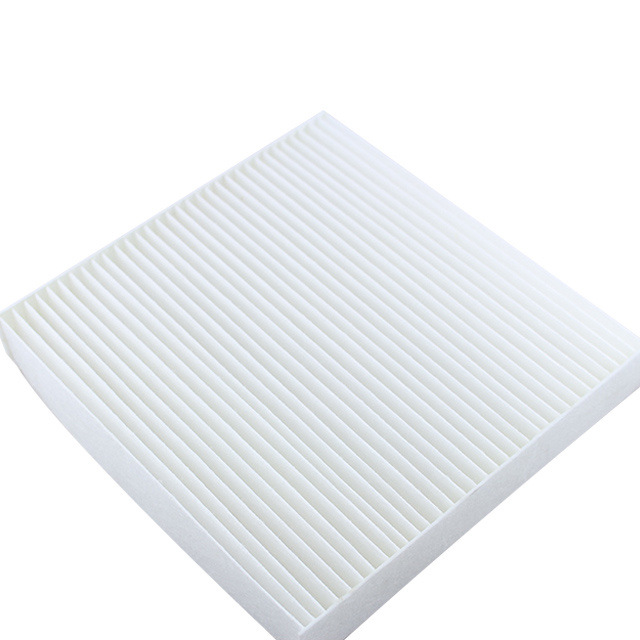
Focus On Hot Spots

Contact Info
E-mail: txgs@taixifilter.com
Manager Xu: +86-15097925576
Manager Feng: +86-15803195413
Address: North side of Caiyuan Village, Gexianzhuang Town, Qinghe County, Xingtai City, Hebei Province (No. 250)
10 Ways to Choose the Best Air Filter for Your Industrial Equipment
Release Time:
Nov 30,2023
Table of Contents: 1. Importance of Air Filtration in Industrial Equipment 2. Understanding Air Filter Efficiency Ratings 3. Evaluating the Air Flow Requirements of Your Equipment 4. Determining the Right Filter Media for Your Application 5. Considering the Size and Dimensions of the Air Filter 6. Assessing the Filter's Dust Holding Capacity 7. Examining the Filter's Resistance to Moisture and Con
1. Importance of Air Filtration in Industrial Equipment
2. Understanding Air Filter Efficiency Ratings
3. Evaluating the Air Flow Requirements of Your Equipment
4. Determining the Right Filter Media for Your Application
5. Considering the Size and Dimensions of the Air Filter
6. Assessing the Filter's Dust Holding Capacity
7. Examining the Filter's Resistance to Moisture and Contaminants
8. Reviewing the Filter's Lifespan and Maintenance Requirements
9. Exploring Additional Features and Accessories
10. Comparing Prices and Supplier Reputation
FAQs:
1. How often should I replace the air filter in my industrial equipment?
2. Can I clean and reuse air filters?
3. Are there any specific certifications or standards I should look for in air filters?
4. What role does the air filter play in preventing equipment breakdowns?
5. How can I determine the right size of air filter for my equipment?
1. Importance of Air Filtration in Industrial Equipment
Air filtration is a critical aspect of maintaining the performance and functionality of industrial equipment. Proper filtration helps to remove contaminants, such as dust, dirt, and debris, from the air intake, preventing them from entering sensitive components and causing damage. Clean air ensures efficient operation, reduces the risk of breakdowns, and improves overall equipment lifespan.
2. Understanding Air Filter Efficiency Ratings
Air filter efficiency is measured using various rating systems, such as the Minimum Efficiency Reporting Value (MERV) or the High-Efficiency Particulate Air (HEPA) standard. These ratings indicate the filter's ability to capture and retain particles of different sizes. Understanding these ratings is crucial in selecting the appropriate filter for your equipment, as they determine the filter's effectiveness in removing contaminants from the air.
3. Evaluating the Air Flow Requirements of Your Equipment
Different industrial equipment requires varying amounts of air flow for optimal performance. It is essential to consider the specific air flow requirements of your machinery when choosing an air filter. A filter that restricts airflow too much can lead to reduced efficiency and increased strain on the equipment, while an oversized filter may not effectively remove contaminants. Understanding the air flow specifications will help you select a filter that meets your equipment's needs.
4. Determining the Right Filter Media for Your Application
Air filters are made from different types of filter media, each with its own unique properties and filtration capabilities. The choice of filter media depends on the specific environmental conditions and contaminants present in your facility. Common filter media options include fiberglass, synthetic, pleated, and activated carbon filters. Assessing your application's requirements will guide you in selecting the most suitable filter media.
5. Considering the Size and Dimensions of the Air Filter
The size and dimensions of the air filter are crucial factors to ensure a proper fit within your equipment. Ill-fitting filters can allow unfiltered air to bypass the filtration system, compromising its effectiveness. Measure the existing filter or consult your equipment's manual to determine the correct size and dimensions required. Additionally, consider any space limitations or restrictions that may affect the installation of the filter.
6. Assessing the Filter's Dust Holding Capacity
The dust holding capacity refers to the amount of dust and debris that an air filter can accumulate before it needs replacement. Choosing a filter with a higher dust holding capacity can minimize maintenance frequency and reduce downtime. Consider the nature of your facility's operations and the level of airborne contaminants to select a filter that can efficiently capture and retain particles over an extended period.
7. Examining the Filter's Resistance to Moisture and Contaminants
In industrial environments, the presence of moisture and various contaminants is common. It is crucial to select an air filter that can withstand these conditions without losing its filtration efficiency. Look for filters with moisture-resistant frames and media, as well as filters designed to resist chemicals or other specific contaminants that may be present in your facility.
8. Reviewing the Filter's Lifespan and Maintenance Requirements
Understanding the lifespan and maintenance requirements of an air filter is essential for budgeting and planning purposes. Some filters may require frequent replacement, while others can be cleaned and reused. Consider the cost and availability of replacement filters, as well as the time and effort required for routine maintenance tasks. Balancing these factors will help you choose a filter that aligns with your operational needs.
9. Exploring Additional Features and Accessories
Certain air filters may offer additional features or accessories that enhance their performance or ease of use. For example, filters with antimicrobial properties can help inhibit the growth of bacteria or mold. Likewise, filter gauges or indicators can provide real-time monitoring of the filter's condition, indicating when it needs replacement or cleaning. Evaluate these additional features to determine their relevance and potential benefits for your application.
10. Comparing Prices and Supplier Reputation
Lastly, consider the price and reputation of the suppliers when evaluating air filters. While cost is a significant factor, it should not be the sole determinant. Look for reputable suppliers that offer quality products and reliable customer support. Consider reading customer reviews and seeking recommendations from industry professionals to make an informed decision.
Conclusion:
Choosing the best air filter for your industrial equipment requires careful consideration of various factors, including air filtration importance, efficiency ratings, air flow requirements, filter media, size, dust holding capacity, resistance to moisture and contaminants, lifespan, maintenance requirements, additional features, and supplier reputation. By following these ten strategies, you can confidently select an air filter that optimizes the performance, longevity, and reliability of your industrial equipment.
Key words:

* Please Enter Keywords
The company is mainly engaged in the manufacture and sale of auto parts and accessories in the automobile manufacturing industry, the manufacture and sale of automobile rubber products, and the import and export of auto parts.