

 Esperanto
 Shqiptare
 Euskara
 Zulu
Zulu
 Latinus
 Cymraeg
 தமிழ்
தமிழ்
 Slovak
 Slovak
 Afrikaans
Focus On Hot Spots

Contact Info
E-mail: txgs@taixifilter.com
Manager Xu: +86-15097925576
Manager Feng: +86-15803195413
Address: North side of Caiyuan Village, Gexianzhuang Town, Qinghe County, Xingtai City, Hebei Province (No. 250)
The Ultimate Guide to Choosing the Right Oil Filter for Your Industrial Equipment
Release Time:
Dec 01,2023
Table of Contents 1. Introduction: Importance of Selecting the Right Oil Filter 2. Understanding Oil Filters and Their Functionality 3. Factors to Consider When Choosing an Oil Filter 3.1. Compatibility with Equipment Specifications 3.2. Filtration Efficiency and Micron Rating 3.3. Durability and Service Life 3.4. Flow Rate and Pressure Drop 3.5. Environmental Considerations 3.6.
1. Introduction: Importance of Selecting the Right Oil Filter
2. Understanding Oil Filters and Their Functionality
3. Factors to Consider When Choosing an Oil Filter
3.1. Compatibility with Equipment Specifications
3.2. Filtration Efficiency and Micron Rating
3.3. Durability and Service Life
3.4. Flow Rate and Pressure Drop
3.5. Environmental Considerations
3.6. Cost-Effectiveness
4. Different Types of Oil Filters
4.1. Mechanical Filters
4.2. Centrifugal Filters
4.3. Magnetic Filters
4.4. Cartridge Filters
4.5. Bag Filters
5. Step-by-Step Guide to Choosing the Right Oil Filter
5.1. Identify Equipment Requirements
5.2. Determine Filtration Needs
5.3. Evaluate Compatibility
5.4. Consider Maintenance Requirements
5.5. Review the Manufacturer's Recommendations
6. Common FAQs about Oil Filters
6.1. How often should I change the oil filter?
6.2. Can I reuse an oil filter?
6.3. What happens if I use the wrong oil filter?
6.4. How do I know if my oil filter is clogged?
6.5. Can I switch between different types of oil filters?
7. Conclusion: Choose Wisely for Optimal Equipment Performance
1. Introduction: Importance of Selecting the Right Oil Filter
Choosing the right oil filter is a critical decision that directly impacts the performance, reliability, and longevity of your industrial equipment. An oil filter plays a vital role in removing contaminants from the lubricating oil, ensuring that only clean oil circulates through the system. This guide will provide you with the necessary knowledge to make an informed choice and avoid potential equipment damage.
2. Understanding Oil Filters and Their Functionality
Oil filters act as the first line of defense in preventing harmful particles, such as dirt, debris, and metal fragments, from reaching sensitive components within your industrial equipment. By capturing these contaminants, oil filters help maintain the oil's cleanliness and prevent abrasive wear, corrosion, and potential system failures. Understanding how oil filters work is crucial for selecting the right one.
3. Factors to Consider When Choosing an Oil Filter
When it comes to choosing an oil filter for your industrial equipment, several factors need careful consideration. These factors include compatibility with equipment specifications, filtration efficiency, durability, flow rate, environmental considerations, and cost-effectiveness. Let's delve into each of these factors in detail.
3.1. Compatibility with Equipment Specifications
Before selecting an oil filter, ensure that it complies with the specifications outlined by the equipment manufacturer. Consider factors such as the filter's thread size, sealing method, and mounting compatibility. Using an ill-suited filter can lead to poor performance, leaks, or even equipment damage.
3.2. Filtration Efficiency and Micron Rating
Filtration efficiency refers to the filter's ability to capture and retain contaminants of specific sizes. This efficiency is often quantified by a micron rating, which indicates the smallest particle size the filter can effectively trap. Assessing the filtration efficiency and micron rating is crucial to ensure optimal cleanliness of the lubricating oil.
3.3. Durability and Service Life
Consider the durability and service life of the oil filter. A robust filter construction can withstand the operational demands of industrial equipment, providing long-lasting protection. Additionally, filters with extended service intervals can reduce maintenance costs and downtime.
3.4. Flow Rate and Pressure Drop
The flow rate and pressure drop of an oil filter impact the overall efficiency and performance of your equipment. Ensure that the selected filter allows for sufficient oil flow to meet the equipment's needs without causing excessive pressure drops, which could lead to reduced performance or damage.
3.5. Environmental Considerations
Environmental factors, such as temperature variations, humidity, and chemical exposure, can affect the performance of an oil filter. Assess whether the filter is designed to withstand the specific environmental conditions in which your equipment operates to ensure optimal functionality.
3.6. Cost-Effectiveness
While cost is an important consideration, it should not be the sole deciding factor. Evaluate the filter's overall value, considering factors such as its initial purchase price, maintenance requirements, and potential savings associated with extended service intervals.
4. Different Types of Oil Filters
Oil filters come in various types, each with its own advantages and suitability for specific applications. Understanding the different types can help you choose the most appropriate option for your industrial equipment.
4.1. Mechanical Filters
Mechanical filters, also known as full-flow filters, are the most common type used in industrial equipment. They utilize a pleated filter media to capture contaminants effectively. These filters provide high filtration efficiency but may have a higher pressure drop.
4.2. Centrifugal Filters
Centrifugal filters rely on centrifugal force to separate contaminants from the oil. They are highly effective at removing larger particles and water, making them suitable for heavy-duty applications. However, they may not be as efficient in capturing smaller particles.
4.3. Magnetic Filters
Magnetic filters use magnets to attract and trap ferrous particles in the oil. These filters are effective at removing metal fragments but may not be as efficient at capturing non-ferrous contaminants.
4.4. Cartridge Filters
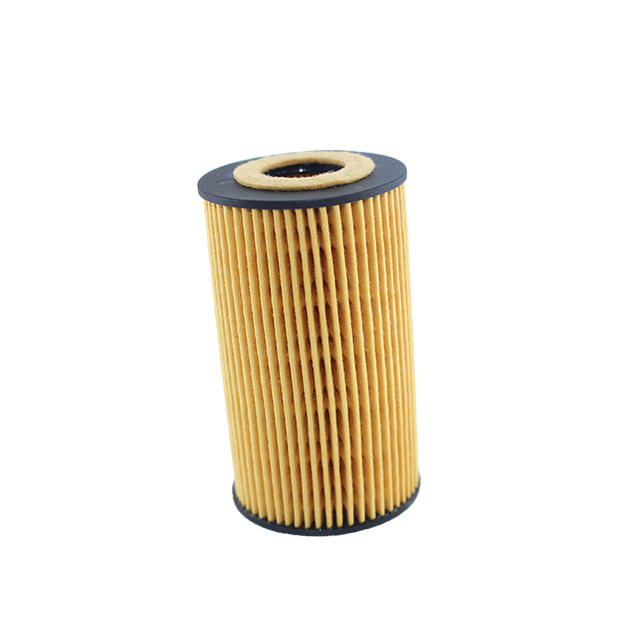
Cartridge filters consist of a replaceable filter element encased in a housing. They offer easy maintenance and are suitable for applications with varying filtration requirements. However, cartridge filters may have a higher pressure drop compared to other types.
4.5. Bag Filters
Bag filters utilize a bag-shaped filter media to capture contaminants. They are commonly used in applications that require high flow rates and can handle large amounts of debris. However, bag filters may have a lower filtration efficiency compared to other types.
5. Step-by-Step Guide to Choosing the Right Oil Filter
Selecting the right oil filter involves a systematic approach to ensure compatibility, efficiency, and long-term functionality. Follow these steps to make an informed decision:
5.1. Identify Equipment Requirements
Review the equipment manufacturer's specifications and recommendations to determine the required oil filter parameters, including size, compatibility, and filtration efficiency.
5.2. Determine Filtration Needs
Assess the operating conditions and the level of contamination your equipment is exposed to. This will help determine the desired filtration efficiency and micron rating.
5.3. Evaluate Compatibility
Consider the compatibility of the oil filter with your equipment's specific requirements, such as thread size, sealing method, and mounting options.
5.4. Consider Maintenance Requirements
Evaluate the maintenance requirements associated with different filter types. Assess factors such as ease of replacement, availability of replacement parts, and required maintenance intervals.
5.5. Review the Manufacturer's Recommendations
Check if the equipment manufacturer recommends specific oil filter brands or models. Their expertise and experience can provide valuable insights into the most suitable options for your equipment.
6. Common FAQs about Oil Filters
6.1. How often should I change the oil filter?
The frequency of oil filter replacement depends on several factors, including the equipment type, operating conditions, and the manufacturer's recommendations. Generally, it is advisable to replace the oil filter during each oil change or according to the suggested maintenance intervals.
6.2. Can I reuse an oil filter?
Oil filters are designed for single-use and should not be reused. Reusing a filter can compromise its filtration efficiency and potentially introduce contaminants into the system.
6.3. What happens if I use the wrong oil filter?
Using an incompatible or incorrect oil filter can lead to restricted oil flow, inadequate filtration, increased pressure drop, and potential equipment damage. Always use the oil filter recommended by the equipment manufacturer.
6.4. How do I know if my oil filter is clogged?
Signs of a clogged oil filter may include decreased oil pressure, increased engine temperature, reduced equipment performance, or abnormal engine noises. Regular oil analysis and periodic inspections can help identify potential filter clogging.
6.5. Can I switch between different types of oil filters?
Switching between different types of oil filters should be done in consultation with the equipment manufacturer or a qualified expert. Compatibility issues and potential performance variations may arise when switching between filter types.
7. Conclusion: Choose Wisely for Optimal Equipment Performance
Selecting the right oil filter for your industrial equipment is crucial for maintaining its performance and longevity. By considering factors such as compatibility, filtration efficiency, durability, and cost-effectiveness, you can make an informed decision. Follow the step-by-step guide outlined in this ultimate guide to ensure optimal equipment protection and reliable operation. Choose wisely, and your industrial equipment will thank you with reliable, efficient, and long-lasting performance.
Key words:

* Please Enter Keywords
The company is mainly engaged in the manufacture and sale of auto parts and accessories in the automobile manufacturing industry, the manufacture and sale of automobile rubber products, and the import and export of auto parts.