

 Esperanto
 Shqiptare
 Euskara
 Zulu
Zulu
 Latinus
 Cymraeg
 தமிழ்
தமிழ்
 Slovak
 Slovak
 Afrikaans
Focus On Hot Spots

Contact Info
E-mail: txgs@taixifilter.com
Manager Xu: +86-15097925576
Manager Feng: +86-15803195413
Address: North side of Caiyuan Village, Gexianzhuang Town, Qinghe County, Xingtai City, Hebei Province (No. 250)
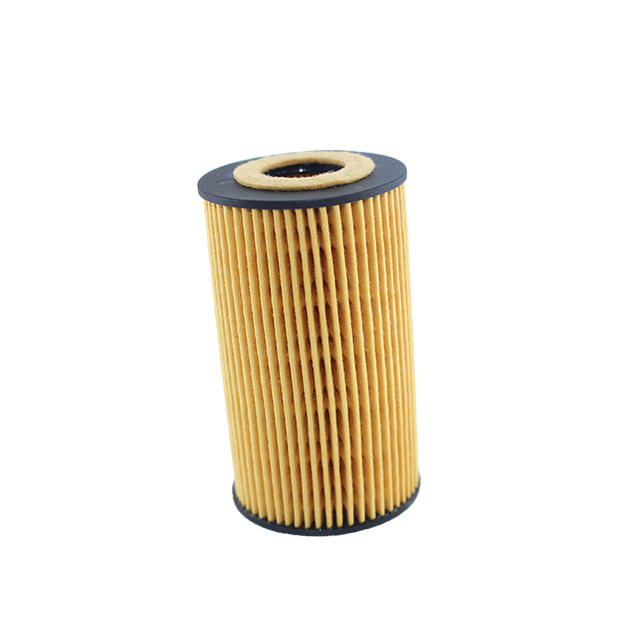
The Importance of Regularly Changing Your Oil Filter: A Comprehensive Explanation
Release Time:
Dec 02,2023
Introduction Understanding the Significance of Regular Oil Filter Changes Why is Regularly Changing Your Oil Filter Essential? The Role of Oil Filters in Industrial Equipment and Components The Benefits of Regular Oil Filter Changes Improved Efficiency and Performance Enhanced Lubrication Prevention of Contaminant Buildup Prolonged Lifespan of Industrial Equipment and Components Reduced Wear and T
Introduction
Understanding the Significance of Regular Oil Filter Changes
Why is Regularly Changing Your Oil Filter Essential?
The Role of Oil Filters in Industrial Equipment and Components
The Benefits of Regular Oil Filter Changes
Improved Efficiency and Performance
Enhanced Lubrication
Prevention of Contaminant Buildup
Prolonged Lifespan of Industrial Equipment and Components
Reduced Wear and Tear
Minimized Risk of Damage and Malfunction
Cost Savings and Maintenance
Avoiding Costly Repairs and Replacements
Reducing Downtime and Production Losses
Step-by-Step Guide: How to Change Your Oil Filter
Step 1: Gather the Necessary Tools and Equipment
Step 2: Locate the Oil Filter
Step 3: Drain the Oil
Step 4: Remove the Old Oil Filter
Step 5: Install the New Oil Filter
Step 6: Refill the Oil
Step 7: Dispose of the Old Oil and Filter Properly
Frequently Asked Questions (FAQs)
FAQ 1: How often should I change my oil filter?
FAQ 2: Can I reuse an oil filter?
FAQ 3: What happens if I don't change my oil filter?
FAQ 4: How do I choose the right oil filter for my equipment?
FAQ 5: Can I change the oil filter myself?
Conclusion
Regularly changing your oil filter is vital for the optimal performance and longevity of your industrial equipment and components. By following the step-by-step guide provided, you can ensure that your equipment remains efficient, reliable, and cost-effective. Don't underestimate the significance of this simple maintenance task; it can make a substantial difference in the overall performance and lifespan of your machinery.
Why is Regularly Changing Your Oil Filter Essential?
The Role of Oil Filters in Industrial Equipment and Components
The Benefits of Regular Oil Filter Changes
Improved Efficiency and Performance
Enhanced Lubrication
Prevention of Contaminant Buildup
Prolonged Lifespan of Industrial Equipment and Components
Reduced Wear and Tear
Minimized Risk of Damage and Malfunction
Cost Savings and Maintenance
Avoiding Costly Repairs and Replacements
Reducing Downtime and Production Losses
Step-by-Step Guide: How to Change Your Oil Filter
Step 1: Gather the Necessary Tools and Equipment
Step 2: Locate the Oil Filter
Step 3: Drain the Oil
Step 4: Remove the Old Oil Filter
Step 5: Install the New Oil Filter
Step 6: Refill the Oil
Step 7: Dispose of the Old Oil and Filter Properly
Frequently Asked Questions (FAQs)
FAQ 1: How often should I change my oil filter?
FAQ 2: Can I reuse an oil filter?
FAQ 3: What happens if I don't change my oil filter?
FAQ 4: How do I choose the right oil filter for my equipment?
FAQ 5: Can I change the oil filter myself?
Conclusion
Regularly changing your oil filter is vital for the optimal performance and longevity of your industrial equipment and components. By following the step-by-step guide provided, you can ensure that your equipment remains efficient, reliable, and cost-effective. Don't underestimate the significance of this simple maintenance task; it can make a substantial difference in the overall performance and lifespan of your machinery.
The Benefits of Regular Oil Filter Changes
Improved Efficiency and Performance
Enhanced Lubrication
Prevention of Contaminant Buildup
Prolonged Lifespan of Industrial Equipment and Components
Reduced Wear and Tear
Minimized Risk of Damage and Malfunction
Cost Savings and Maintenance
Avoiding Costly Repairs and Replacements
Reducing Downtime and Production Losses
Step-by-Step Guide: How to Change Your Oil Filter
Step 1: Gather the Necessary Tools and Equipment
Step 2: Locate the Oil Filter
Step 3: Drain the Oil
Step 4: Remove the Old Oil Filter
Step 5: Install the New Oil Filter
Step 6: Refill the Oil
Step 7: Dispose of the Old Oil and Filter Properly
Frequently Asked Questions (FAQs)
FAQ 1: How often should I change my oil filter?
FAQ 2: Can I reuse an oil filter?
FAQ 3: What happens if I don't change my oil filter?
FAQ 4: How do I choose the right oil filter for my equipment?
FAQ 5: Can I change the oil filter myself?
Conclusion
Regularly changing your oil filter is vital for the optimal performance and longevity of your industrial equipment and components. By following the step-by-step guide provided, you can ensure that your equipment remains efficient, reliable, and cost-effective. Don't underestimate the significance of this simple maintenance task; it can make a substantial difference in the overall performance and lifespan of your machinery.
Enhanced Lubrication
Prevention of Contaminant Buildup
Prolonged Lifespan of Industrial Equipment and Components
Reduced Wear and Tear
Minimized Risk of Damage and Malfunction
Cost Savings and Maintenance
Avoiding Costly Repairs and Replacements
Reducing Downtime and Production Losses
Step-by-Step Guide: How to Change Your Oil Filter
Step 1: Gather the Necessary Tools and Equipment
Step 2: Locate the Oil Filter
Step 3: Drain the Oil
Step 4: Remove the Old Oil Filter
Step 5: Install the New Oil Filter
Step 6: Refill the Oil
Step 7: Dispose of the Old Oil and Filter Properly
Frequently Asked Questions (FAQs)
FAQ 1: How often should I change my oil filter?
FAQ 2: Can I reuse an oil filter?
FAQ 3: What happens if I don't change my oil filter?
FAQ 4: How do I choose the right oil filter for my equipment?
FAQ 5: Can I change the oil filter myself?
Conclusion
Regularly changing your oil filter is vital for the optimal performance and longevity of your industrial equipment and components. By following the step-by-step guide provided, you can ensure that your equipment remains efficient, reliable, and cost-effective. Don't underestimate the significance of this simple maintenance task; it can make a substantial difference in the overall performance and lifespan of your machinery.
Prolonged Lifespan of Industrial Equipment and Components
Reduced Wear and Tear
Minimized Risk of Damage and Malfunction
Cost Savings and Maintenance
Avoiding Costly Repairs and Replacements
Reducing Downtime and Production Losses
Step-by-Step Guide: How to Change Your Oil Filter
Step 1: Gather the Necessary Tools and Equipment
Step 2: Locate the Oil Filter
Step 3: Drain the Oil
Step 4: Remove the Old Oil Filter
Step 5: Install the New Oil Filter
Step 6: Refill the Oil
Step 7: Dispose of the Old Oil and Filter Properly
Frequently Asked Questions (FAQs)
FAQ 1: How often should I change my oil filter?
FAQ 2: Can I reuse an oil filter?
FAQ 3: What happens if I don't change my oil filter?
FAQ 4: How do I choose the right oil filter for my equipment?
FAQ 5: Can I change the oil filter myself?
Conclusion
Regularly changing your oil filter is vital for the optimal performance and longevity of your industrial equipment and components. By following the step-by-step guide provided, you can ensure that your equipment remains efficient, reliable, and cost-effective. Don't underestimate the significance of this simple maintenance task; it can make a substantial difference in the overall performance and lifespan of your machinery.
Minimized Risk of Damage and Malfunction
Cost Savings and Maintenance
Avoiding Costly Repairs and Replacements
Reducing Downtime and Production Losses
Step-by-Step Guide: How to Change Your Oil Filter
Step 1: Gather the Necessary Tools and Equipment
Step 2: Locate the Oil Filter
Step 3: Drain the Oil
Step 4: Remove the Old Oil Filter
Step 5: Install the New Oil Filter
Step 6: Refill the Oil
Step 7: Dispose of the Old Oil and Filter Properly
Frequently Asked Questions (FAQs)
FAQ 1: How often should I change my oil filter?
FAQ 2: Can I reuse an oil filter?
FAQ 3: What happens if I don't change my oil filter?
FAQ 4: How do I choose the right oil filter for my equipment?
FAQ 5: Can I change the oil filter myself?
Conclusion
Regularly changing your oil filter is vital for the optimal performance and longevity of your industrial equipment and components. By following the step-by-step guide provided, you can ensure that your equipment remains efficient, reliable, and cost-effective. Don't underestimate the significance of this simple maintenance task; it can make a substantial difference in the overall performance and lifespan of your machinery.
Avoiding Costly Repairs and Replacements
Reducing Downtime and Production Losses
Step-by-Step Guide: How to Change Your Oil Filter
Step 1: Gather the Necessary Tools and Equipment
Step 2: Locate the Oil Filter
Step 3: Drain the Oil
Step 4: Remove the Old Oil Filter
Step 5: Install the New Oil Filter
Step 6: Refill the Oil
Step 7: Dispose of the Old Oil and Filter Properly
Frequently Asked Questions (FAQs)
FAQ 1: How often should I change my oil filter?
FAQ 2: Can I reuse an oil filter?
FAQ 3: What happens if I don't change my oil filter?
FAQ 4: How do I choose the right oil filter for my equipment?
FAQ 5: Can I change the oil filter myself?
Conclusion
Regularly changing your oil filter is vital for the optimal performance and longevity of your industrial equipment and components. By following the step-by-step guide provided, you can ensure that your equipment remains efficient, reliable, and cost-effective. Don't underestimate the significance of this simple maintenance task; it can make a substantial difference in the overall performance and lifespan of your machinery.
Step-by-Step Guide: How to Change Your Oil Filter
Step 1: Gather the Necessary Tools and Equipment
Step 2: Locate the Oil Filter
Step 3: Drain the Oil
Step 4: Remove the Old Oil Filter
Step 5: Install the New Oil Filter
Step 6: Refill the Oil
Step 7: Dispose of the Old Oil and Filter Properly
Frequently Asked Questions (FAQs)
FAQ 1: How often should I change my oil filter?
FAQ 2: Can I reuse an oil filter?
FAQ 3: What happens if I don't change my oil filter?
FAQ 4: How do I choose the right oil filter for my equipment?
FAQ 5: Can I change the oil filter myself?
Conclusion
Regularly changing your oil filter is vital for the optimal performance and longevity of your industrial equipment and components. By following the step-by-step guide provided, you can ensure that your equipment remains efficient, reliable, and cost-effective. Don't underestimate the significance of this simple maintenance task; it can make a substantial difference in the overall performance and lifespan of your machinery.
Step 2: Locate the Oil Filter
Step 3: Drain the Oil
Step 4: Remove the Old Oil Filter
Step 5: Install the New Oil Filter
Step 6: Refill the Oil
Step 7: Dispose of the Old Oil and Filter Properly
Frequently Asked Questions (FAQs)
FAQ 1: How often should I change my oil filter?
FAQ 2: Can I reuse an oil filter?
FAQ 3: What happens if I don't change my oil filter?
FAQ 4: How do I choose the right oil filter for my equipment?
FAQ 5: Can I change the oil filter myself?
Conclusion
Regularly changing your oil filter is vital for the optimal performance and longevity of your industrial equipment and components. By following the step-by-step guide provided, you can ensure that your equipment remains efficient, reliable, and cost-effective. Don't underestimate the significance of this simple maintenance task; it can make a substantial difference in the overall performance and lifespan of your machinery.
Step 4: Remove the Old Oil Filter
Step 5: Install the New Oil Filter
Step 6: Refill the Oil
Step 7: Dispose of the Old Oil and Filter Properly
Frequently Asked Questions (FAQs)
FAQ 1: How often should I change my oil filter?
FAQ 2: Can I reuse an oil filter?
FAQ 3: What happens if I don't change my oil filter?
FAQ 4: How do I choose the right oil filter for my equipment?
FAQ 5: Can I change the oil filter myself?
Conclusion
Regularly changing your oil filter is vital for the optimal performance and longevity of your industrial equipment and components. By following the step-by-step guide provided, you can ensure that your equipment remains efficient, reliable, and cost-effective. Don't underestimate the significance of this simple maintenance task; it can make a substantial difference in the overall performance and lifespan of your machinery.
Step 6: Refill the Oil
Step 7: Dispose of the Old Oil and Filter Properly
Frequently Asked Questions (FAQs)
FAQ 1: How often should I change my oil filter?
FAQ 2: Can I reuse an oil filter?
FAQ 3: What happens if I don't change my oil filter?
FAQ 4: How do I choose the right oil filter for my equipment?
FAQ 5: Can I change the oil filter myself?
Conclusion
Regularly changing your oil filter is vital for the optimal performance and longevity of your industrial equipment and components. By following the step-by-step guide provided, you can ensure that your equipment remains efficient, reliable, and cost-effective. Don't underestimate the significance of this simple maintenance task; it can make a substantial difference in the overall performance and lifespan of your machinery.
Frequently Asked Questions (FAQs)
FAQ 1: How often should I change my oil filter?
FAQ 2: Can I reuse an oil filter?
FAQ 3: What happens if I don't change my oil filter?
FAQ 4: How do I choose the right oil filter for my equipment?
FAQ 5: Can I change the oil filter myself?
Conclusion
Regularly changing your oil filter is vital for the optimal performance and longevity of your industrial equipment and components. By following the step-by-step guide provided, you can ensure that your equipment remains efficient, reliable, and cost-effective. Don't underestimate the significance of this simple maintenance task; it can make a substantial difference in the overall performance and lifespan of your machinery.
FAQ 2: Can I reuse an oil filter?
FAQ 3: What happens if I don't change my oil filter?
FAQ 4: How do I choose the right oil filter for my equipment?
FAQ 5: Can I change the oil filter myself?
Conclusion
Regularly changing your oil filter is vital for the optimal performance and longevity of your industrial equipment and components. By following the step-by-step guide provided, you can ensure that your equipment remains efficient, reliable, and cost-effective. Don't underestimate the significance of this simple maintenance task; it can make a substantial difference in the overall performance and lifespan of your machinery.
FAQ 4: How do I choose the right oil filter for my equipment?
FAQ 5: Can I change the oil filter myself?
Conclusion
Regularly changing your oil filter is vital for the optimal performance and longevity of your industrial equipment and components. By following the step-by-step guide provided, you can ensure that your equipment remains efficient, reliable, and cost-effective. Don't underestimate the significance of this simple maintenance task; it can make a substantial difference in the overall performance and lifespan of your machinery.
Conclusion
Regularly changing your oil filter is vital for the optimal performance and longevity of your industrial equipment and components. By following the step-by-step guide provided, you can ensure that your equipment remains efficient, reliable, and cost-effective. Don't underestimate the significance of this simple maintenance task; it can make a substantial difference in the overall performance and lifespan of your machinery.
Key words:

* Please Enter Keywords
The company is mainly engaged in the manufacture and sale of auto parts and accessories in the automobile manufacturing industry, the manufacture and sale of automobile rubber products, and the import and export of auto parts.