

 Esperanto
 Shqiptare
 Euskara
 Zulu
Zulu
 Latinus
 Cymraeg
 தமிழ்
தமிழ்
 Slovak
 Slovak
 Afrikaans
Focus On Hot Spots

Contact Info
E-mail: txgs@taixifilter.com
Manager Xu: +86-15097925576
Manager Feng: +86-15803195413
Address: North side of Caiyuan Village, Gexianzhuang Town, Qinghe County, Xingtai City, Hebei Province (No. 250)
How Oil Filters Enhance the Performance and Longevity of Industrial Machinery
Release Time:
Dec 02,2023
Table of Contents 1. Introduction: The Significance of Oil Filters in Industrial Machinery 2. How Oil Filters Work: Filtering out Harmful Contaminants 3. The Benefits of Using High-Quality Oil Filters 4. Extending the Lifespan of Industrial Machinery with Oil Filters 5. Enhancing Performance and Efficiency through Proper Filtration 6. Cost-Effectiveness and Savings Achieved with Oil Filters 7. Fre
1. Introduction: The Significance of Oil Filters in Industrial Machinery
2. How Oil Filters Work: Filtering out Harmful Contaminants
3. The Benefits of Using High-Quality Oil Filters
4. Extending the Lifespan of Industrial Machinery with Oil Filters
5. Enhancing Performance and Efficiency through Proper Filtration
6. Cost-Effectiveness and Savings Achieved with Oil Filters
7. Frequently Asked Questions (FAQs)
8. Conclusion: Maximizing Industrial Machinery Performance with Oil Filters
1. Introduction: The Significance of Oil Filters in Industrial Machinery
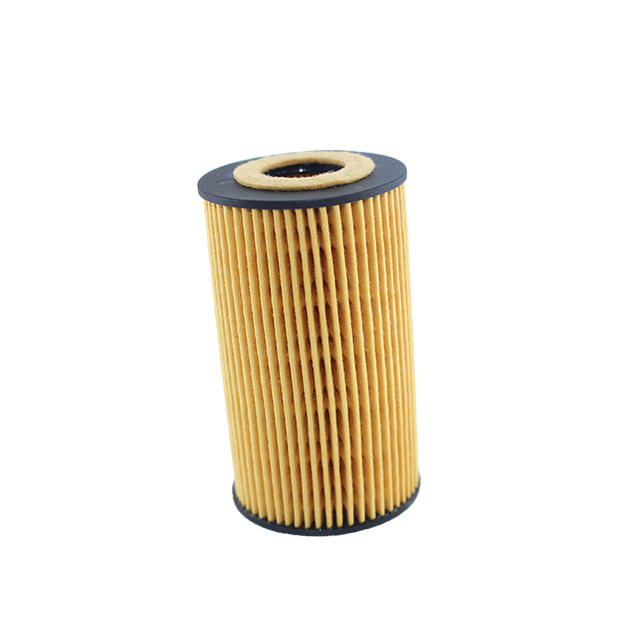
In the fast-paced world of industrial machinery, optimal performance and longevity are vital for businesses to thrive. One crucial component that plays a pivotal role in achieving these goals is the oil filter. Oil filters are designed to remove potentially harmful contaminants from lubricating oil, ensuring that the equipment functions smoothly and efficiently. This article delves into the importance of oil filters and their impact on the overall performance and durability of industrial machinery.
2. How Oil Filters Work: Filtering out Harmful Contaminants
Oil filters employ a range of filtration techniques to remove impurities from the oil. As the lubricating oil circulates through the machinery, the filter captures particles such as dirt, metal shavings, and sludge. By trapping these contaminants, oil filters prevent them from circulating and causing damage to critical components. This filtration process maintains the cleanliness of the oil, allowing it to effectively lubricate the machinery and reduce friction and wear.
3. The Benefits of Using High-Quality Oil Filters
Investing in high-quality oil filters offers numerous advantages for industrial machinery. Firstly, these filters have superior filtration capabilities, effectively capturing even the tiniest particles that can harm the equipment. Secondly, they provide excellent oil flow, ensuring that the lubricant reaches all necessary areas. Additionally, high-quality oil filters are more durable and reliable, reducing the risk of premature failure and the need for frequent replacements. By using top-notch filters, businesses can optimize machinery performance and minimize downtime.
4. Extending the Lifespan of Industrial Machinery with Oil Filters
Regularly changing and maintaining oil filters significantly contributes to extending the lifespan of industrial machinery. By effectively removing contaminants, oil filters prevent abrasive particles from causing excessive wear and tear on critical components. This reduction in friction and damage helps prolong the equipment's life, reducing the need for costly repairs or replacements. A well-maintained oil filtration system can add years of productive service to industrial machinery.
5. Enhancing Performance and Efficiency through Proper Filtration
Proper filtration with oil filters plays a vital role in enhancing the overall performance and efficiency of industrial machinery. Clean oil allows the equipment to operate at optimal levels, minimizing energy loss and maximizing output. By reducing friction and wear, oil filters ensure smooth operation, resulting in improved efficiency and reduced energy consumption. With enhanced performance, businesses can meet production targets more effectively and increase their competitive edge.
6. Cost-Effectiveness and Savings Achieved with Oil Filters
Utilizing oil filters proves to be a cost-effective measure for businesses in the industrial sector. By maintaining clean oil, these filters help prevent damage to critical components, reducing the need for expensive repairs or replacements. Additionally, oil filters contribute to extended machinery life, saving businesses from the significant capital investment required for new equipment. Moreover, the improved efficiency achieved through proper filtration translates to cost savings in energy consumption. Overall, investing in oil filters proves to be a smart financial decision for industrial enterprises.
7. Frequently Asked Questions (FAQs)
Q1: How often should oil filters be replaced?
Q2: Can using low-quality oil filters harm industrial machinery?
Q3: What are the signs of a clogged oil filter?
Q4: Are there different types of oil filters for specific machinery?
Q5: Can oil filters improve the performance of older industrial machinery?
8. Conclusion: Maximizing Industrial Machinery Performance with Oil Filters
In conclusion, oil filters play a critical role in enhancing the performance and longevity of industrial machinery. By effectively removing contaminants and maintaining clean oil, these filters enable smooth operation, reduce friction, and minimize wear and tear on crucial components. The benefits of using high-quality oil filters extend beyond improved performance and efficiency, encompassing cost-effectiveness and extended machinery life. Investing in top-notch oil filtration systems is an essential measure for businesses looking to optimize productivity, minimize downtime, and stay ahead in the competitive industrial landscape.
Key words:

* Please Enter Keywords
The company is mainly engaged in the manufacture and sale of auto parts and accessories in the automobile manufacturing industry, the manufacture and sale of automobile rubber products, and the import and export of auto parts.