

 Esperanto
 Shqiptare
 Euskara
 Zulu
Zulu
 Latinus
 Cymraeg
 தமிழ்
தமிழ்
 Slovak
 Slovak
 Afrikaans
Focus On Hot Spots

Contact Info
E-mail: txgs@taixifilter.com
Manager Xu: +86-15097925576
Manager Feng: +86-15803195413
Address: North side of Caiyuan Village, Gexianzhuang Town, Qinghe County, Xingtai City, Hebei Province (No. 250)
Understanding Different Types of Oil Filters and Their Applications
Release Time:
Dec 03,2023
Table of Contents: 1. Introduction 2. Why Oil Filters are Essential 3. Types of Oil Filters 3.1. Mechanical Oil Filters 3.2. Magnetic Oil Filters 3.3. Centrifugal Oil Filters 3.4. Sedimentation Oil Filters 4. Applications of Oil Filters 4.1. Automotive Industry 4.2. Manufacturing Industry 4.3. Power Generation Industry 4.4. Marine Industry 5. Factors to Consider When Choosi
1. Introduction
2. Why Oil Filters are Essential
3. Types of Oil Filters
3.1. Mechanical Oil Filters
3.2. Magnetic Oil Filters
3.3. Centrifugal Oil Filters
3.4. Sedimentation Oil Filters
4. Applications of Oil Filters
4.1. Automotive Industry
4.2. Manufacturing Industry
4.3. Power Generation Industry
4.4. Marine Industry
5. Factors to Consider When Choosing an Oil Filter
5.1. Filtration Efficiency
5.2. Flow Rate
5.3. Size and Compatibility
5.4. Maintenance Requirements
6. Common FAQs about Oil Filters
6.1. How often should oil filters be replaced?
6.2. Can I reuse an oil filter?
6.3. What happens if I don't use an oil filter?
6.4. Are all oil filters universal?
6.5. How does an oil filter work?
7. Conclusion
Introduction
Oil filters play a crucial role in maintaining the performance and longevity of industrial equipment. Whether it's in automotive engines, manufacturing machinery, power generators, or marine vessels, oil filters are essential for removing contaminants and ensuring clean oil circulation. In this article, we will explore the different types of oil filters available and their specific applications in various industries.
Why Oil Filters are Essential
Oil filters are vital components that protect the engine or equipment from harmful contaminants such as dirt, metal particles, and sludge. These contaminants can cause damage to the internal components, reduce efficiency, and ultimately lead to equipment failure. By removing these impurities, oil filters help maintain clean and high-quality oil, ensuring optimal performance and extending the lifespan of the equipment.
Types of Oil Filters
There are several types of oil filters designed to cater to different filtration needs. Let's explore the most common types:
3.1. Mechanical Oil Filters
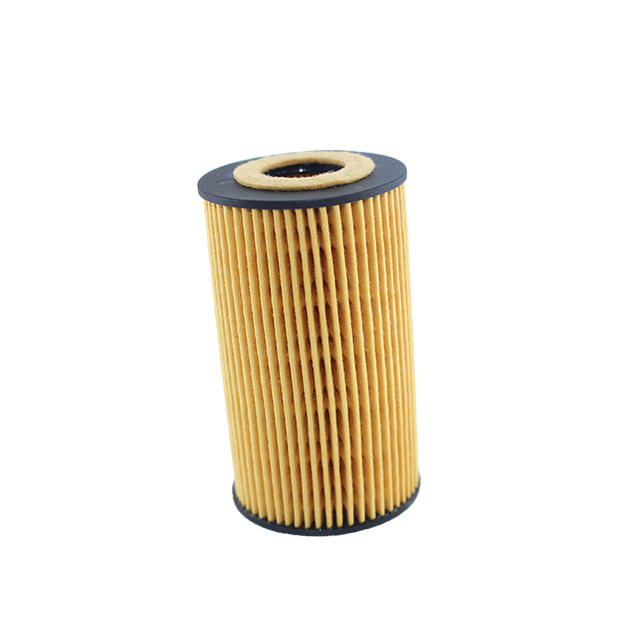
Mechanical oil filters are the traditional and widely used type of oil filters. They consist of a filter media, typically made of cellulose or synthetic fibers, that physically traps impurities as the oil passes through. These filters are relatively affordable and effective at removing larger contaminants. However, they may clog over time and require regular maintenance or replacement.
3.2. Magnetic Oil Filters
Magnetic oil filters utilize magnets to attract and capture metallic particles present in the oil. They are particularly effective at removing ferrous contaminants like iron or steel particles. These filters are commonly used in heavy-duty applications where metal debris is a significant concern. Magnetic oil filters are beneficial for preventing wear and tear on critical components.
3.3. Centrifugal Oil Filters
Centrifugal oil filters use centrifugal force to separate contaminants from the oil. The oil is directed into a spinning rotor that forces the heavier particles towards the outer edge, where they are collected and drained out. These filters are highly efficient at removing smaller contaminants and do not require regular replacement. However, they are more complex and expensive than mechanical filters.
3.4. Sedimentation Oil Filters
Sedimentation oil filters rely on gravity to separate impurities from the oil. The oil flows through a series of chambers, allowing the contaminants to settle at the bottom. The clean oil is then directed out of the filter. Sedimentation filters are commonly used in applications where large volumes of oil need to be filtered, such as in industrial manufacturing processes.
Applications of Oil Filters
Oil filters find their applications in various industries due to the critical role they play in maintaining equipment performance. Let's explore some common industries where oil filters are used:
4.1. Automotive Industry
In the automotive industry, oil filters are essential for protecting the engine from contaminants and ensuring smooth operation. They remove dirt, metal particles, and other impurities that can damage engine components and lead to reduced performance or even engine failure. Regular oil and filter changes are crucial to maintaining the longevity of automotive engines.
4.2. Manufacturing Industry
The manufacturing industry relies on machinery and equipment that often require oil lubrication. Oil filters in manufacturing equipment help maintain the cleanliness of oil, preventing contaminants from affecting the precision and performance of critical components. By ensuring clean oil circulation, oil filters contribute to the overall efficiency and reliability of manufacturing processes.
4.3. Power Generation Industry
Power generators, whether in residential, commercial, or industrial settings, heavily rely on oil filters to protect their engines. Continuous operation and high power generation put a significant strain on the engines, making it crucial to maintain clean oil for optimal performance and longevity. Oil filters play a vital role in preventing premature wear and damage to the generator's internal components.
4.4. Marine Industry
The marine industry faces unique challenges due to the harsh operating conditions and exposure to saltwater. Oil filters in marine vessels help remove contaminants and maintain clean oil for engines and other equipment. They play a crucial role in preventing corrosion, extending the lifespan of marine engines, and ensuring safe and efficient operation at sea.
Factors to Consider When Choosing an Oil Filter
Selecting the right oil filter for your specific application is essential for optimal performance and protection. Consider the following factors when choosing an oil filter:
5.1. Filtration Efficiency
The filtration efficiency of an oil filter determines its ability to capture and retain contaminants. Look for filters with high filtration efficiency ratings, typically expressed as a percentage. A higher filtration efficiency means more effective removal of impurities from the oil.
5.2. Flow Rate
The flow rate of an oil filter refers to how quickly it allows oil to pass through. It is crucial to choose a filter with an appropriate flow rate that matches the requirements of your equipment. Insufficient flow rate can lead to oil starvation, while excessive flow rate may bypass contaminants.
5.3. Size and Compatibility
Ensure that the oil filter you choose is compatible with your equipment's specifications, including size, thread type, and installation requirements. Consider the available space and accessibility for filter replacement when selecting the right size.
5.4. Maintenance Requirements
Different oil filters have varying maintenance requirements. Some filters need regular replacement, while others can be cleaned or have their filter media replaced. Consider the maintenance frequency and cost when choosing an oil filter to ensure it aligns with your operational needs.
Common FAQs about Oil Filters
Here are some frequently asked questions about oil filters:
6.1. How often should oil filters be replaced?
Oil filters should typically be replaced during every oil change. However, specific equipment and operating conditions may require more frequent filter replacements. Follow the manufacturer's recommendations or consult a professional to determine the appropriate replacement interval.
6.2. Can I reuse an oil filter?
Most oil filters are designed for single-use and should be replaced during every oil change. Reusing oil filters can compromise filtration efficiency and increase the risk of contaminants bypassing the filter media.
6.3. What happens if I don't use an oil filter?
Not using an oil filter or neglecting regular filter replacement can allow contaminants to circulate freely in the oil, leading to increased wear and damage to critical engine components. This can result in reduced performance, increased fuel consumption, and potentially costly repairs.
6.4. Are all oil filters universal?
No, oil filters are not universal. They come in various sizes, thread types, and compatibility specifications. It is essential to choose an oil filter that matches your equipment's requirements to ensure proper fitment and functionality.
6.5. How does an oil filter work?
Oil filters work by allowing oil to pass through a filter media while trapping contaminants. Depending on the filter type, the media can physically capture impurities, attract metallic particles through magnets, or separate contaminants using centrifugal force or sedimentation.
Conclusion
Understanding the different types of oil filters and their applications is crucial for selecting the right filter for your industrial equipment. Whether you're in the automotive, manufacturing, power generation, or marine industry, oil filters play a vital role in maintaining clean oil and ensuring optimal equipment performance. Consider factors like filtration efficiency, flow rate, size, and maintenance requirements when choosing an oil filter. By making informed decisions, you can enhance the longevity, efficiency, and reliability of your equipment while reducing the risk of costly repairs.
Key words:

* Please Enter Keywords
The company is mainly engaged in the manufacture and sale of auto parts and accessories in the automobile manufacturing industry, the manufacture and sale of automobile rubber products, and the import and export of auto parts.