

 Esperanto
 Shqiptare
 Euskara
 Zulu
Zulu
 Latinus
 Cymraeg
 தமிழ்
தமிழ்
 Slovak
 Slovak
 Afrikaans
Focus On Hot Spots
Contact Info
E-mail: txgs@taixifilter.com
Manager Xu: +86-15097925576
Manager Feng: +86-15803195413
Address: North side of Caiyuan Village, Gexianzhuang Town, Qinghe County, Xingtai City, Hebei Province (No. 250)
Improve Indoor Air Quality with Effective Air Conditioning System Filters
Release Time:
Dec 06,2023
Table of Contents 1. Introduction 2. The Importance of Indoor Air Quality 3. How Air Conditioning System Filters Work 4. Types of Air Conditioning System Filters 4.1 Fiberglass Filters 4.2 Pleated Filters 4.3 High-Efficiency Particulate Air (HEPA) Filters 4.4 Electrostatic Filters 4.5 Activated Carbon Filters 5. Choosing the Right Filter for Your Needs 5.1 Consider Your Specific
1. Introduction
2. The Importance of Indoor Air Quality
3. How Air Conditioning System Filters Work
4. Types of Air Conditioning System Filters
4.1 Fiberglass Filters
4.2 Pleated Filters
4.3 High-Efficiency Particulate Air (HEPA) Filters
4.4 Electrostatic Filters
4.5 Activated Carbon Filters
5. Choosing the Right Filter for Your Needs
5.1 Consider Your Specific Air Quality Concerns
5.2 Determine the MERV Rating
5.3 Check Filter Size and Compatibility
6. Maintaining and Replacing Air Conditioning System Filters
6.1 Regular Cleaning and Maintenance
6.2 Replacement Schedule
7. Frequently Asked Questions (FAQs)
FAQ 1: How often should I replace my air conditioning system filter?
FAQ 2: Can I clean and reuse filters?
FAQ 3: What is the difference between MERV and HEPA ratings?
FAQ 4: Can air filters remove odors?
FAQ 5: Can air filters help with allergies?
8. Conclusion
1. Introduction
Indoor air quality plays a crucial role in our overall health and well-being. With the increasing concern for pollutant removal, it is essential to have an effective air conditioning system filter that can provide clean and fresh air. In this article, we will explore the benefits of using high-quality filters and how they can significantly improve indoor air quality.
2. The Importance of Indoor Air Quality
Indoor air quality can be affected by various factors such as dust, allergens, pet dander, and volatile organic compounds (VOCs). Poor indoor air quality can lead to various health issues, including allergies, respiratory problems, and even long-term health conditions. By improving indoor air quality, we can create a healthier and more comfortable environment for everyone.
3. How Air Conditioning System Filters Work
Air conditioning system filters work by trapping particles and contaminants present in the air. As the air circulates through the filter, the fibers or materials within the filter capture and retain these particles, preventing them from recirculating into the indoor air. This filtration process helps to remove dust, pollen, mold spores, pet dander, and other airborne pollutants.
4. Types of Air Conditioning System Filters
4.1 Fiberglass Filters
Fiberglass filters are commonly used and have a low initial cost. They are designed to capture larger particles, such as dust and debris, but may not be as effective in removing smaller particles or allergens.
4.2 Pleated Filters
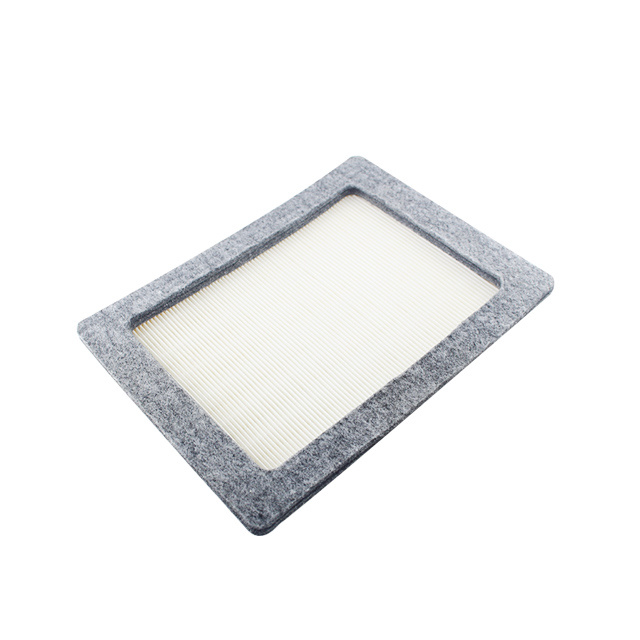
Pleated filters have a larger surface area, allowing for more effective filtration. They are designed to capture smaller particles and provide better overall air quality. Pleated filters are available in various sizes and filtration efficiencies.
4.3 High-Efficiency Particulate Air (HEPA) Filters
HEPA filters are known for their superior filtration capabilities. They can capture up to 99.97% of particles as small as 0.3 microns, including allergens, bacteria, and viruses. HEPA filters are commonly used in healthcare facilities and areas with high air quality requirements.
4.4 Electrostatic Filters
Electrostatic filters use a static charge to attract and capture airborne particles. They are highly efficient in removing allergens and can be washed and reused. However, they may not be as effective in capturing smaller particles compared to HEPA filters.
4.5 Activated Carbon Filters
Activated carbon filters are designed to remove odors, gases, and chemicals from the air. They contain a layer of activated carbon that absorbs and traps these pollutants. Activated carbon filters are commonly used in areas with strong odors or chemical emissions.
5. Choosing the Right Filter for Your Needs
5.1 Consider Your Specific Air Quality Concerns
Identify the specific air quality concerns in your environment. If you have allergies or asthma, consider filters that can effectively remove allergens and respiratory irritants.
5.2 Determine the MERV Rating
The Minimum Efficiency Reporting Value (MERV) rating indicates the filter's ability to capture particles of different sizes. Higher MERV ratings indicate better filtration efficiency. Consider the specific needs of your space and choose a filter with an appropriate MERV rating.
5.3 Check Filter Size and Compatibility
Ensure that the filter size matches your air conditioning system's requirements. Check the manufacturer's guidelines or consult a professional if you are unsure about the compatibility. Using the wrong filter size can result in decreased efficiency and potential damage to the system.
6. Maintaining and Replacing Air Conditioning System Filters
6.1 Regular Cleaning and Maintenance
Regularly clean and maintain your air conditioning system filters to ensure optimal performance. Follow the manufacturer's instructions for cleaning or consult with a professional if necessary.
6.2 Replacement Schedule
Filters should be replaced according to the manufacturer's recommendations or based on the specific needs of your environment. Factors such as air quality, occupancy, and pets can impact the frequency of filter replacement. Regularly replacing filters ensures that they continue to effectively capture particles and maintain good indoor air quality.
7. Frequently Asked Questions (FAQs)
FAQ 1: How often should I replace my air conditioning system filter?
Filter replacement frequency depends on various factors such as filter type, air quality, and system usage. It is generally recommended to replace filters every 1 to 3 months.
FAQ 2: Can I clean and reuse filters?
Some filters, such as electrostatic filters, can be washed and reused. However, not all filters are designed for reuse. Refer to the manufacturer's instructions or consult with a professional to determine if your filter is washable and reusable.
FAQ 3: What is the difference between MERV and HEPA ratings?
MERV ratings indicate a filter's ability to capture particles of different sizes, while HEPA ratings specifically refer to filters that meet the high standards set by the U.S. Department of Energy. HEPA filters provide superior filtration, capturing particles as small as 0.3 microns.
FAQ 4: Can air filters remove odors?
Certain filters, such as activated carbon filters, are designed to remove odors by absorbing and trapping odor-causing molecules. However, not all filters have odor removal capabilities.
FAQ 5: Can air filters help with allergies?
Yes, air filters can help with allergies by capturing and removing allergens such as pollen, dust mites, and pet dander from the air. Filters with higher MERV ratings or HEPA filters are particularly effective in reducing allergens.
8. Conclusion
Using effective air conditioning system filters is essential for improving indoor air quality and creating a healthier living environment. By choosing the right filter, maintaining regular cleaning and maintenance, and replacing filters as recommended, you can ensure the optimal performance of your air conditioning system and enjoy cleaner, fresher air. Breathe easier and take a step towards better indoor air quality today!
Key words:

* Please Enter Keywords
The company is mainly engaged in the manufacture and sale of auto parts and accessories in the automobile manufacturing industry, the manufacture and sale of automobile rubber products, and the import and export of auto parts.