

 Esperanto
 Shqiptare
 Euskara
 Zulu
Zulu
 Latinus
 Cymraeg
 தமிழ்
தமிழ்
 Slovak
 Slovak
 Afrikaans
Focus On Hot Spots
Contact Info
E-mail: txgs@taixifilter.com
Manager Xu: +86-15097925576
Manager Feng: +86-15803195413
Address: North side of Caiyuan Village, Gexianzhuang Town, Qinghe County, Xingtai City, Hebei Province (No. 250)
Maximizing the Lifespan of Industrial Air Conditioners with Effective Filters
Release Time:
Dec 07,2023
Table of Contents: 1. Introduction 2. The Importance of Effective Filters for Industrial Air Conditioners 3. Factors Affecting the Lifespan of Industrial Air Conditioners 4. Types of Filters for Industrial Air Conditioners 5. How to Choose the Right Filters for Your Industrial Air Conditioners 6. Proper Maintenance of Industrial Air Conditioner Filters 7. Benefits of Using High-Quality Filters for
1. Introduction
2. The Importance of Effective Filters for Industrial Air Conditioners
3. Factors Affecting the Lifespan of Industrial Air Conditioners
4. Types of Filters for Industrial Air Conditioners
5. How to Choose the Right Filters for Your Industrial Air Conditioners
6. Proper Maintenance of Industrial Air Conditioner Filters
7. Benefits of Using High-Quality Filters for Industrial Air Conditioners
8. Frequently Asked Questions (FAQs)
9. Conclusion
1. Introduction
Industrial air conditioners play a crucial role in maintaining optimal indoor air quality and temperature in various industrial settings. To ensure the longevity and efficiency of these systems, the use of effective filters is of utmost importance. This article aims to provide valuable insights into maximizing the lifespan of industrial air conditioners by using appropriate filters.
2. The Importance of Effective Filters for Industrial Air Conditioners
Effective filters in industrial air conditioners help to remove airborne contaminants, such as dust, pollen, and pollutants, from the circulating air. By trapping these particles, filters prevent them from entering the system and causing damage to sensitive components. Additionally, filters improve the overall air quality, creating a healthier and more comfortable working environment for employees.
3. Factors Affecting the Lifespan of Industrial Air Conditioners
Several factors can significantly impact the lifespan of industrial air conditioners. These include:
- Air quality: Poor air quality, characterized by high levels of pollutants and contaminants, can lead to increased wear and tear on the system. Effective filters help mitigate this issue by trapping harmful particles.
- Maintenance: Regular maintenance, including filter replacement and cleaning, is essential to ensure optimal performance and longevity of air conditioning systems.
- Operating conditions: Extreme temperatures, humidity levels, and heavy usage can put stress on industrial air conditioners. Proper filtration can help alleviate the strain on the system, improving its durability.
4. Types of Filters for Industrial Air Conditioners
There are various types of filters available for industrial air conditioners. Some common options include:
- Fiberglass filters: These disposable filters are cost-effective and capture larger particles effectively. However, they may not be suitable for environments requiring high filtration efficiency.
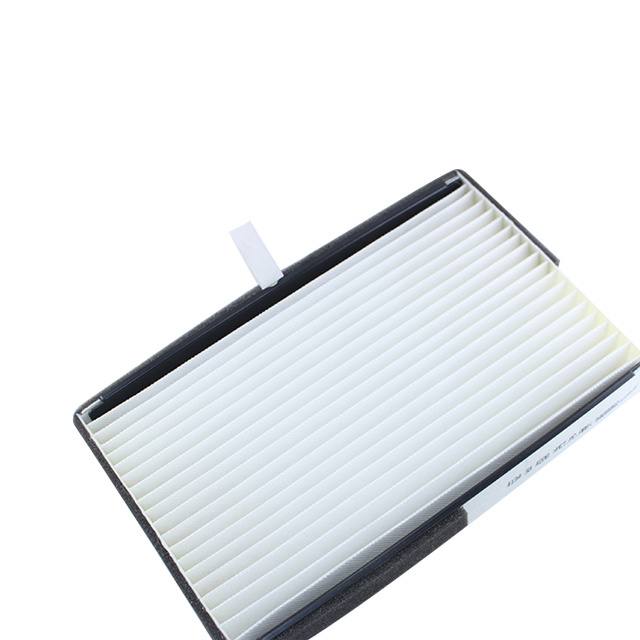
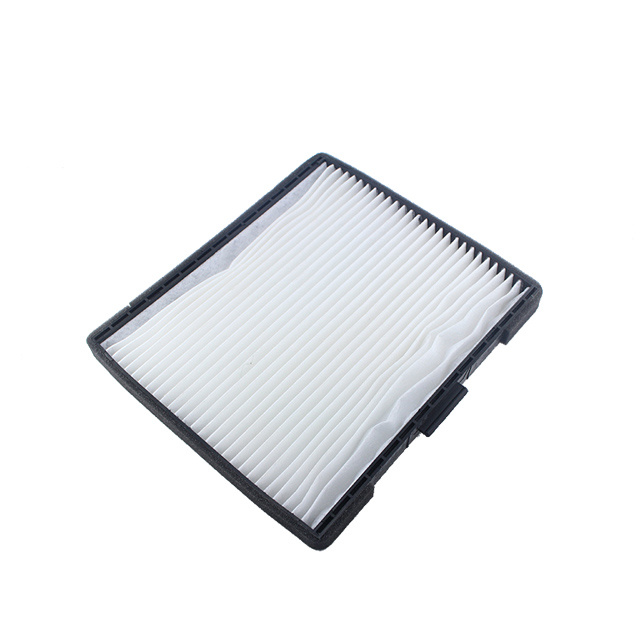
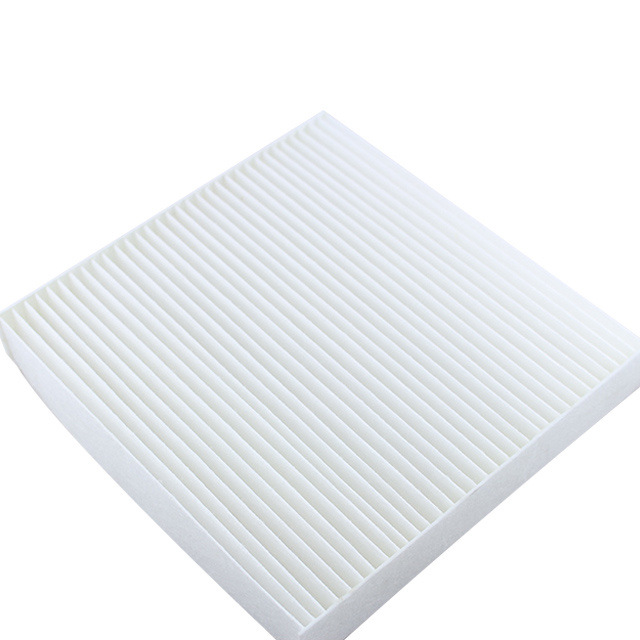
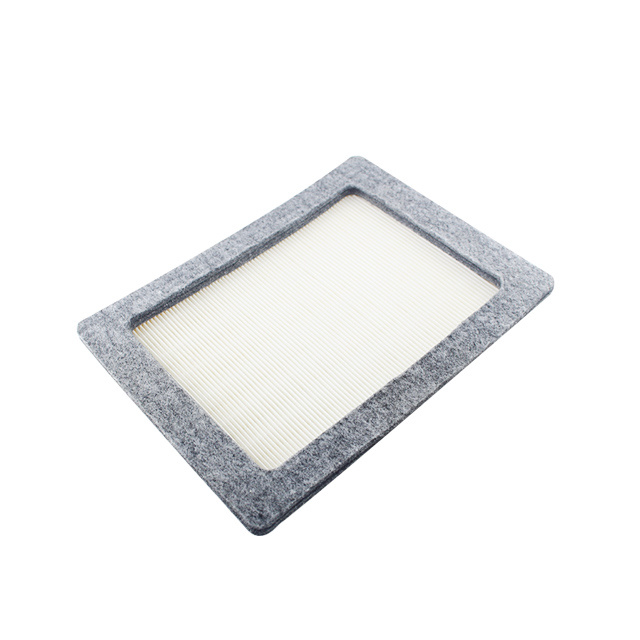
- Pleated filters: These filters offer a higher surface area for capturing contaminants, making them more efficient than fiberglass filters. They are available in various filtration ratings, allowing customization based on specific needs.
- HEPA filters: High-Efficiency Particulate Air (HEPA) filters are capable of capturing tiny particles as small as 0.3 microns with high efficiency. They are ideal for environments that require the highest level of air purification.
- Activated carbon filters: These filters excel in removing odors, gases, and volatile organic compounds (VOCs) from the air. They are commonly used in industries where chemical fumes are a concern.
5. How to Choose the Right Filters for Your Industrial Air Conditioners
Selecting the appropriate filters for your industrial air conditioners is crucial for optimal performance. Consider the following factors when choosing filters:
- Filtration efficiency: Determine the level of filtration efficiency required based on the contaminants present in your environment. Higher efficiency filters may be necessary for industries with strict air quality regulations.
- System compatibility: Ensure that the filters you choose are compatible with your air conditioning system. Consult with professionals or refer to the manufacturer's specifications for guidance.
- Filter lifespan: Take into account the expected lifespan of the filters. Longer-lasting filters may reduce maintenance frequency and costs.
- Budget considerations: Balancing quality and cost is essential when selecting filters. Evaluate the long-term benefits and potential savings associated with using high-quality filters.
6. Proper Maintenance of Industrial Air Conditioner Filters
Regular maintenance is vital to maximize the lifespan of industrial air conditioner filters. Follow these maintenance guidelines:
- Regular inspections: Check the filters periodically for signs of dust accumulation, damage, or clogging. Replace or clean them as necessary.
- Cleaning procedures: If reusable filters are being used, follow the manufacturer's instructions for proper cleaning techniques. Ensure the filters are thoroughly dry before reinstalling them.
- Filter replacement: Disposable filters should be replaced according to the manufacturer's recommendations. Set up a schedule to ensure timely replacements and avoid compromised performance.
- Airflow optimization: Ensure that the filters are properly installed and that there are no obstructions to the airflow. Restricted airflow can strain the system and decrease its efficiency.
7. Benefits of Using High-Quality Filters for Industrial Air Conditioners
Using high-quality filters in industrial air conditioners offers numerous benefits, including:
- Improved air quality: Effective filtration removes harmful particles, allergens, and pollutants from the air, creating a healthier working environment.
- Enhanced system performance: Filters prevent the accumulation of dirt and debris on sensitive system components, reducing the risk of breakdowns and improving overall performance.
- Longer lifespan: By minimizing the strain on the system, high-quality filters help extend the lifespan of industrial air conditioners, reducing the need for frequent replacements.
- Energy efficiency: Clean filters allow for better airflow, reducing energy consumption and optimizing cooling efficiency.
- Cost savings: Investing in high-quality filters can result in long-term cost savings by reducing maintenance and repair expenses.
8. Frequently Asked Questions (FAQs)
1. How often should industrial air conditioner filters be replaced?
The frequency of filter replacement depends on various factors, such as the type of filter, the operating environment, and the manufacturer's recommendations. It is generally recommended to replace disposable filters every 1 to 3 months and clean reusable filters every 1 to 2 months.
2. Can I use different filter types in my industrial air conditioner?
It is essential to refer to the manufacturer's specifications and guidelines to ensure compatibility with your specific air conditioning system. Using filters not recommended by the manufacturer may lead to reduced performance or damage to the system.
3. Are high-efficiency filters always necessary for industrial settings?
The necessity of high-efficiency filters depends on the specific industry, air quality regulations, and the presence of contaminants. In industries where strict air quality standards must be met, high-efficiency filters are typically recommended.
4. Can I clean and reuse disposable filters?
Disposable filters are designed for single-use and are not intended to be cleaned and reused. Attempting to clean them may compromise their filtration efficiency and effectiveness. It is best to replace disposable filters according to the manufacturer's recommendations.
5. Can using low-quality filters damage my industrial air conditioner?
Using low-quality filters may allow more contaminants to enter the system, leading to increased wear and tear on sensitive components. This can result in reduced performance, breakdowns, and a shorter lifespan for the industrial air conditioner.
9. Conclusion
Maximizing the lifespan of industrial air conditioners is essential for efficient and cost-effective operation. By implementing effective filters, choosing the right type, and maintaining them properly, you can ensure optimal performance and longevity for your air conditioning systems. Invest in high-quality filters, follow recommended maintenance practices, and reap the benefits of improved air quality, enhanced system performance, and long-term savings. Prioritize the health and efficiency of your industrial environment by utilizing effective filters in your air conditioning systems.
Key words:

* Please Enter Keywords
The company is mainly engaged in the manufacture and sale of auto parts and accessories in the automobile manufacturing industry, the manufacture and sale of automobile rubber products, and the import and export of auto parts.