

 Esperanto
 Shqiptare
 Euskara
 Zulu
Zulu
 Latinus
 Cymraeg
 தமிழ்
தமிழ்
 Slovak
 Slovak
 Afrikaans
Focus On Hot Spots
Contact Info
E-mail: txgs@taixifilter.com
Manager Xu: +86-15097925576
Manager Feng: +86-15803195413
Address: North side of Caiyuan Village, Gexianzhuang Town, Qinghe County, Xingtai City, Hebei Province (No. 250)
A Comprehensive Guide to Air Conditioner Filters: Everything You Need to Know
Release Time:
Dec 07,2023
Introduction: Air conditioner filters play a crucial role in maintaining the efficiency and functionality of industrial air filtration equipment. In this guide, we will explore the significance of air conditioner filters, different types available, their functions, and essential maintenance tips to keep your filtration system in top condition. 1. The Importance of Air Conditioner Filters: Air cond
Air conditioner filters play a crucial role in maintaining the efficiency and functionality of industrial air filtration equipment. In this guide, we will explore the significance of air conditioner filters, different types available, their functions, and essential maintenance tips to keep your filtration system in top condition.
1. The Importance of Air Conditioner Filters:
Air conditioner filters are essential components of industrial air filtration systems. They are responsible for capturing and removing pollutants, particles, and contaminants from the air, ensuring cleaner and healthier indoor environments. Filters not only help in improving air quality but also contribute to the energy efficiency and longevity of the equipment.
2. Types of Air Conditioner Filters:
a. Fiberglass Filters: These disposable filters are cost-effective and capture large particles effectively. However, they are not very efficient at trapping smaller particles or allergens.
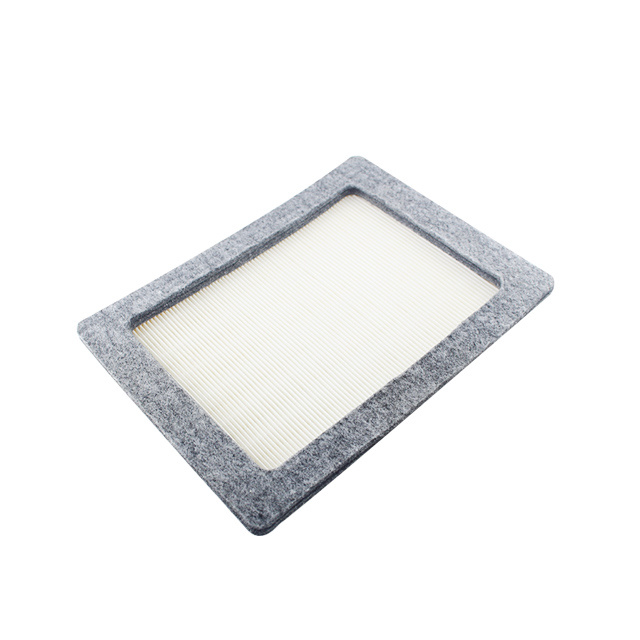
b. Pleated Filters: Made of cotton or polyester, pleated filters offer better air filtration than fiberglass filters. They are capable of trapping smaller particles and can last longer due to their greater surface area.
c. HEPA Filters: High-Efficiency Particulate Air (HEPA) filters are the most efficient filters available. They can trap up to 99.97% of particles as small as 0.3 microns. HEPA filters are commonly used in industries where a high level of air purity is required.
d. Activated Carbon Filters: These filters are specifically designed to remove odors, gases, and volatile organic compounds (VOCs) from the air. Activated carbon filters contain a layer of activated carbon that absorbs and neutralizes these pollutants.
3. Functions of Air Conditioner Filters:
a. Particle Filtration: Air conditioner filters capture dust, pollen, pet dander, and other airborne particles, preventing them from circulating in the indoor environment.
b. Allergen Control: Filters designed to trap allergens help reduce allergic reactions and respiratory issues for individuals sensitive to pollen, mold spores, and other common allergens.
c. Odor and Chemical Removal: Filters with activated carbon effectively eliminate odors, smoke, and harmful chemicals, improving indoor air quality.
d. Protection for Equipment: Air filters prevent the buildup of dirt and debris on the internal components of air conditioning systems, ensuring optimal performance and extending the equipment's lifespan.
4. Maintenance Tips:
a. Regular Replacement: Follow the manufacturer's guidelines regarding filter replacement schedules. Depending on the filter type, they may need replacement every 1-3 months.
b. Inspection and Cleaning: Regularly inspect and clean reusable filters to remove accumulated particles. Rinse them with water or use a vacuum cleaner with a brush attachment.
c. Proper Installation: Ensure filters are correctly installed to prevent air bypass and maintain efficient filtration.
d. Filter Upgrades: Consider upgrading to higher-efficiency filters if you require enhanced air purification or have specific filtration needs.
Conclusion:
Air conditioner filters are crucial components of industrial air filtration equipment, ensuring clean and healthy indoor air quality. Understanding the different types of filters available, their functions, and proper maintenance techniques will help you optimize the performance and longevity of your filtration system. Keep your workspace healthy and free from airborne pollutants by implementing these essential air filtration practices.
Key words:

* Please Enter Keywords
The company is mainly engaged in the manufacture and sale of auto parts and accessories in the automobile manufacturing industry, the manufacture and sale of automobile rubber products, and the import and export of auto parts.