

 Esperanto
 Shqiptare
 Euskara
 Zulu
Zulu
 Latinus
 Cymraeg
 தமிழ்
தமிழ்
 Slovak
 Slovak
 Afrikaans
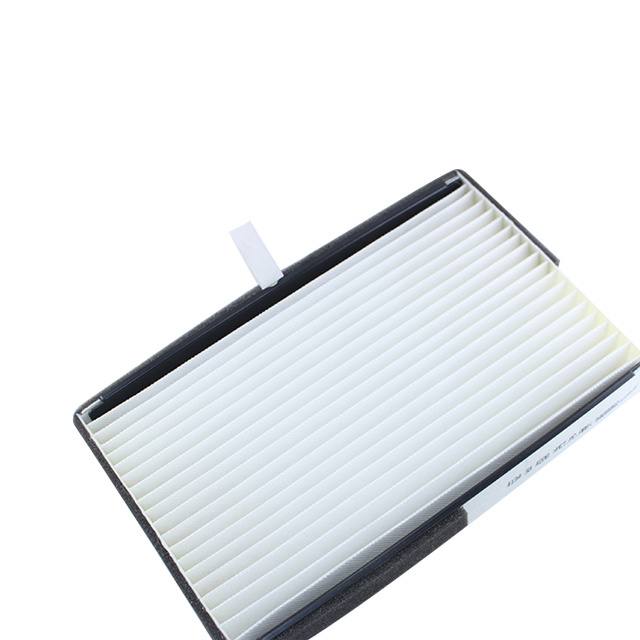
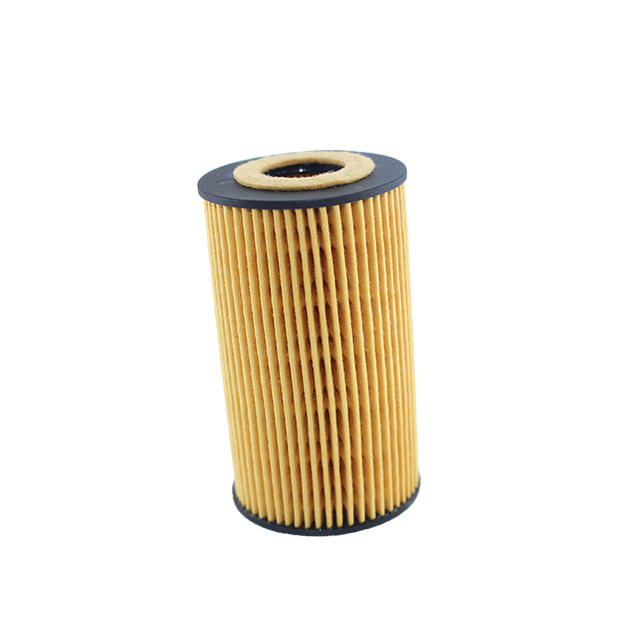
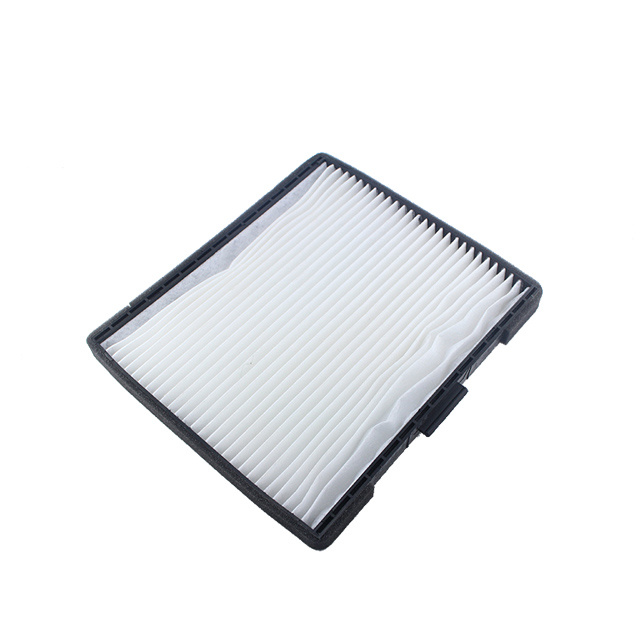
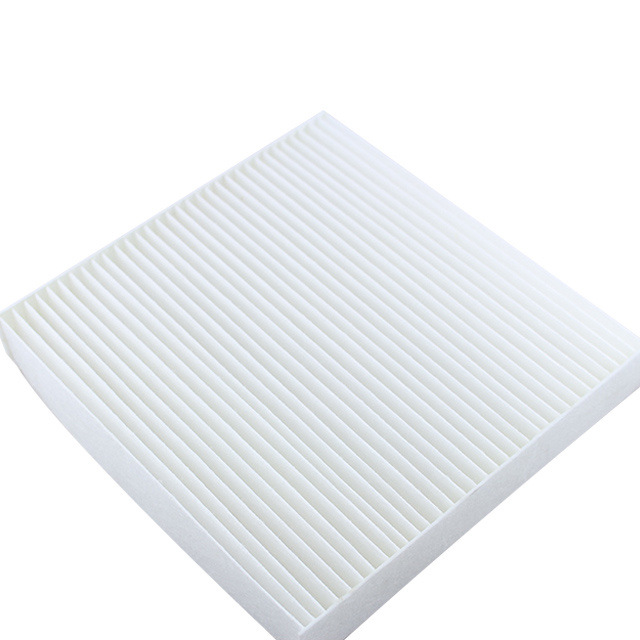
Focus On Hot Spots
Contact Info
E-mail: txgs@taixifilter.com
Manager Xu: +86-15097925576
Manager Feng: +86-15803195413
Address: North side of Caiyuan Village, Gexianzhuang Town, Qinghe County, Xingtai City, Hebei Province (No. 250)
Understanding Different Types of Filters for Industrial Air Conditioning Systems
Release Time:
Dec 08,2023
Table of Contents: 1. Introduction 2. Importance of Filters in Industrial Air Conditioning Systems 3. Types of Filters for Industrial Air Conditioning Systems 3.1 Fiberglass Filters 3.2 Pleated Filters 3.3 Electrostatic Filters 3.4 HEPA Filters 3.5 Carbon Filters 3.6 UV Filters 3.7 Electronic Air Cleaners 3.8 Washable Filters 4. Factors to Consider When Choosing a Filter 5.
1. Introduction
2. Importance of Filters in Industrial Air Conditioning Systems
3. Types of Filters for Industrial Air Conditioning Systems
3.1 Fiberglass Filters
3.2 Pleated Filters
3.3 Electrostatic Filters
3.4 HEPA Filters
3.5 Carbon Filters
3.6 UV Filters
3.7 Electronic Air Cleaners
3.8 Washable Filters
4. Factors to Consider When Choosing a Filter
5. FAQs
5.1 What is the purpose of filters in industrial air conditioning systems?
5.2 How often should filters be replaced?
5.3 Can filters improve energy efficiency in industrial air conditioning systems?
5.4 Are there any health benefits associated with using high-efficiency filters?
5.5 How do UV filters work?
6. Conclusion
Introduction
Industrial air conditioning systems play a vital role in maintaining comfortable working conditions and ensuring the well-being of employees. Filters are an essential component of these systems, as they help in removing dust, pollutants, and other particles from the air. In this article, we will explore the different types of filters used in industrial air conditioning systems and their significance in ensuring clean and healthy indoor air quality.
Importance of Filters in Industrial Air Conditioning Systems
Filters in industrial air conditioning systems serve multiple purposes. Firstly, they help in trapping airborne particles, such as dust, pollen, mold spores, and bacteria, preventing them from circulating in the indoor environment. This helps in improving the overall air quality and reducing the risk of respiratory issues among employees.
Secondly, filters help in protecting the air conditioning system itself. Dust and debris can accumulate on the system's components, leading to reduced efficiency and increased wear and tear. By capturing these particles, filters help in preventing damage to the system, thus extending its lifespan.
Types of Filters for Industrial Air Conditioning Systems
1. Fiberglass Filters
Fiberglass filters are the most basic and commonly used filters in industrial air conditioning systems. They consist of a fiberglass mesh that captures larger particles, such as dust and lint. While they are relatively inexpensive, they have limited efficiency in capturing smaller particles and may need frequent replacements.
2. Pleated Filters
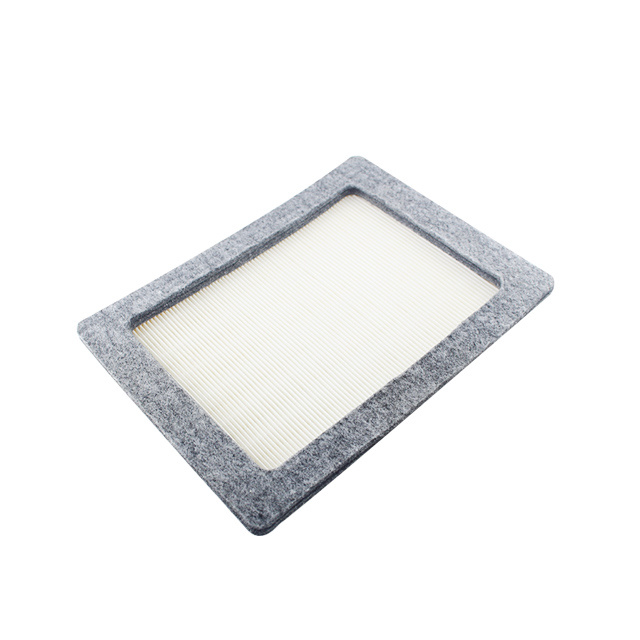
Pleated filters are an upgrade from fiberglass filters, offering better filtration efficiency. They contain pleats or folds that provide a larger surface area for trapping particles. Pleated filters can capture smaller particles, including pollen and pet dander, improving the overall air quality. They are available in various MERV (Minimum Efficiency Reporting Value) ratings, indicating their filtration efficiency.
3. Electrostatic Filters
Electrostatic filters use an electrostatic charge to attract and capture airborne particles. They are more effective than fiberglass and pleated filters in trapping smaller particles, including smoke and microscopic allergens. Electrostatic filters can be either disposable or washable, with washable options providing long-term cost savings.
4. HEPA Filters
High-Efficiency Particulate Air (HEPA) filters are known for their exceptional filtration performance. They can capture over 99.97% of particles as small as 0.3 microns in size, including bacteria, viruses, and mold spores. HEPA filters are commonly used in industries where strict air quality regulations are in place, such as pharmaceutical manufacturing and cleanrooms.
5. Carbon Filters
Carbon filters, also known as activated carbon filters, are designed to adsorb odors, chemicals, and volatile organic compounds (VOCs) from the air. They consist of activated carbon granules that have a large surface area for adsorption. Carbon filters are often used in industrial settings where chemical fumes and strong odors are present.
6. UV Filters
UV filters incorporate ultraviolet light technology to kill or deactivate microorganisms, such as bacteria and viruses, present in the air. They are particularly effective in healthcare facilities, laboratories, and food processing industries, where maintaining a sterile environment is crucial.
7. Electronic Air Cleaners
Electronic air cleaners use an electronic charge to capture particles in the air. They are highly efficient in trapping both large and small particles, including allergens, dust, and smoke. Electronic air cleaners require regular maintenance and cleaning to ensure optimal performance.
8. Washable Filters
Washable filters are reusable filters that can be cleaned and reused multiple times. They are often made of foam or aluminum mesh and are suitable for industrial applications that generate high levels of dust and debris. Washable filters offer long-term cost savings but may have lower filtration efficiency compared to disposable filters.
Factors to Consider When Choosing a Filter
When selecting a filter for an industrial air conditioning system, several factors should be taken into consideration:
1. Filtration Efficiency: Consider the level of filtration required based on the specific industrial application and air quality standards.
2. Filter Size: Ensure that the filter is compatible with the dimensions of the air conditioning system.
3. Airflow Resistance: Check the pressure drop or airflow resistance of the filter to ensure it does not hinder the system's performance.
4. Maintenance Requirements: Consider the ease of filter replacement or cleaning based on the specific needs of the industrial environment.
5. Cost: Evaluate the initial cost and ongoing maintenance expenses associated with the filter.
FAQs
1. What is the purpose of filters in industrial air conditioning systems?
Filters in industrial air conditioning systems help in removing dust, pollutants, and other particles from the air, improving indoor air quality and protecting the system's components.
2. How often should filters be replaced?
The frequency of filter replacement depends on various factors, including the type of filter, level of air pollution, and system usage. Generally, filters should be replaced every 30-90 days, but it is recommended to check the manufacturer's guidelines.
3. Can filters improve energy efficiency in industrial air conditioning systems?
Yes, filters with low airflow resistance can improve energy efficiency by allowing the system to operate smoothly without excessive strain.
4. Are there any health benefits associated with using high-efficiency filters?
High-efficiency filters, such as HEPA filters, can effectively capture allergens, dust mites, bacteria, and other harmful particles, thus reducing the risk of respiratory issues and improving overall health.
5. How do UV filters work?
UV filters emit ultraviolet light to kill or deactivate microorganisms, preventing their circulation in the air and reducing the risk of airborne infections.
Conclusion
Choosing the right filter for industrial air conditioning systems is crucial for maintaining clean and healthy indoor air quality. By understanding the different types of filters available, their filtration capabilities, and specific industrial requirements, you can make an informed decision. Whether it is fiberglass filters for basic particle removal or HEPA filters for stringent air quality standards, each filter option serves a unique purpose in ensuring optimal performance and employee well-being. Regular maintenance and filter replacements are essential to maximize the effectiveness of the chosen filter and prolong the lifespan of the air conditioning system.
Key words:

* Please Enter Keywords
The company is mainly engaged in the manufacture and sale of auto parts and accessories in the automobile manufacturing industry, the manufacture and sale of automobile rubber products, and the import and export of auto parts.