

 Esperanto
 Shqiptare
 Euskara
 Zulu
Zulu
 Latinus
 Cymraeg
 தமிழ்
தமிழ்
 Slovak
 Slovak
 Afrikaans
Focus On Hot Spots
Contact Info
E-mail: txgs@taixifilter.com
Manager Xu: +86-15097925576
Manager Feng: +86-15803195413
Address: North side of Caiyuan Village, Gexianzhuang Town, Qinghe County, Xingtai City, Hebei Province (No. 250)
How Often Should You Replace Your Car Oil Filter in Industrial Equipment?
Release Time:
Dec 08,2023
Table of Contents: 1. Introduction 2. Importance of Oil Filters in Industrial Equipment 3. Factors Affecting Oil Filter Lifespan 3.1 Operating Conditions 3.2 Filter Quality 3.3 Type of Industrial Equipment 4. Recommended Oil Filter Replacement Intervals 4.1 General Guidelines 4.2 Manufacturer's Recommendations 5. Signs of a Clogged or Worn-out Oil Filter 6. Frequently Asked Que
1. Introduction
2. Importance of Oil Filters in Industrial Equipment
3. Factors Affecting Oil Filter Lifespan
3.1 Operating Conditions
3.2 Filter Quality
3.3 Type of Industrial Equipment
4. Recommended Oil Filter Replacement Intervals
4.1 General Guidelines
4.2 Manufacturer's Recommendations
5. Signs of a Clogged or Worn-out Oil Filter
6. Frequently Asked Questions (FAQs)
6.1 How often should I replace my oil filter in heavy machinery?
6.2 Can I extend the oil filter replacement interval?
6.3 What are the consequences of neglecting oil filter replacement?
6.4 Are there any visual indicators for a clogged oil filter?
6.5 Can I clean and reuse an oil filter?
7. Conclusion
1. Introduction
In the world of industrial equipment, maintaining optimal performance is crucial for productivity and longevity. Among the various components that contribute to equipment efficiency, the oil filter plays a vital role. This article delves into the recommended frequency for replacing your car oil filter in industrial equipment and provides valuable insights into the factors influencing its lifespan.
2. Importance of Oil Filters in Industrial Equipment
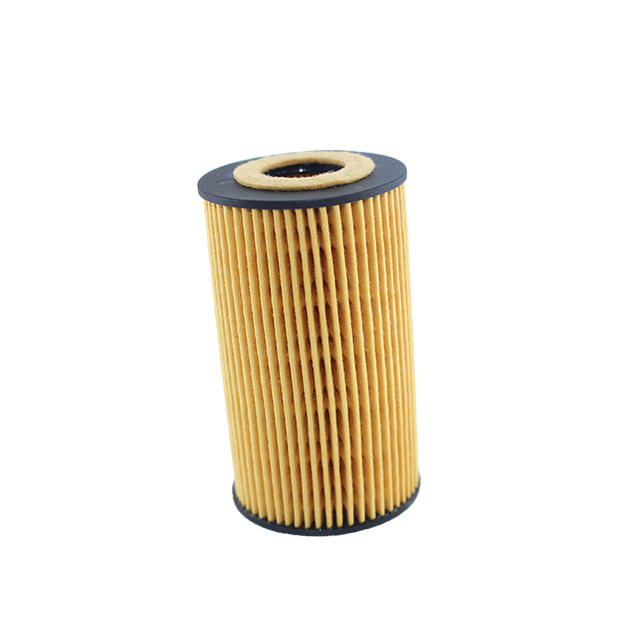
Oil filters are essential components in industrial equipment as they help remove contaminants from circulating oil, ensuring smooth operation and preventing damage to vital components. By capturing impurities such as dirt, debris, and metal particles, oil filters maintain the cleanliness and purity of the oil, prolonging the life of the machinery.
3. Factors Affecting Oil Filter Lifespan
3.1 Operating Conditions
The operating conditions of industrial equipment greatly impact the lifespan of the oil filter. High temperatures, dusty environments, and heavy workloads require more frequent oil filter replacements. Harsh conditions accelerate the accumulation of contaminants, reducing the filter's effectiveness. Regular inspections and monitoring of operating conditions are essential to determine the optimal replacement interval.
3.2 Filter Quality
The quality of the oil filter itself is a crucial factor to consider. Investing in a high-quality filter ensures better filtration efficiency and a longer lifespan. Cheaper, low-quality filters may clog faster and fail to effectively remove contaminants, leading to increased wear and tear on the equipment. It is advisable to choose filters from reputable manufacturers known for their quality and reliability.
3.3 Type of Industrial Equipment
Different types of industrial equipment have varying requirements for oil filter replacement. Heavy machinery operating under extreme conditions, such as construction equipment or mining machinery, often necessitates more frequent filter changes due to the higher levels of contaminants generated. On the other hand, equipment used in less demanding environments may have longer replacement intervals.
4. Recommended Oil Filter Replacement Intervals
4.1 General Guidelines
While there is no one-size-fits-all answer to how often you should replace your car oil filter in industrial equipment, general guidelines can help you make informed decisions. As a rule of thumb, it is recommended to replace the oil filter every three to six months or every 3,000 to 6,000 operational hours, depending on the factors mentioned earlier. However, it is important to note that these guidelines may vary based on specific circumstances.
4.2 Manufacturer's Recommendations
Manufacturers of industrial equipment often provide specific recommendations for oil filter replacement intervals. These guidelines are based on extensive testing and engineering expertise, taking into account the unique characteristics of their machinery. It is advisable to consult the equipment manufacturer's documentation or contact their support team to ensure compliance with their recommendations.
5. Signs of a Clogged or Worn-out Oil Filter
Recognizing the signs of a clogged or worn-out oil filter is crucial to prevent potential damage to your industrial equipment. Some common indicators include decreased oil pressure, increased engine noise, reduced engine performance, and the presence of metal particles in the oil. Regular inspections and prompt replacement of the oil filter can help avoid costly repairs and equipment downtime.
6. Frequently Asked Questions (FAQs)
6.1 How often should I replace my oil filter in heavy machinery?
In heavy machinery, it is recommended to replace the oil filter every 250 to 500 operational hours, depending on the operating conditions and workload. Regular monitoring and inspections are essential to determine the optimal replacement interval.
6.2 Can I extend the oil filter replacement interval?
Extending the oil filter replacement interval beyond the recommended guidelines is not advisable. Doing so may compromise the filtration efficiency, leading to increased wear and damage to the equipment. It is always better to err on the side of caution and replace the filter at the recommended intervals.
6.3 What are the consequences of neglecting oil filter replacement?
Neglecting oil filter replacement can have severe consequences for your industrial equipment. It can result in reduced lubrication efficiency, increased friction, accelerated wear of vital components, and potential engine or machinery failure. Regular maintenance and timely filter replacements are essential to avoid these costly issues.
6.4 Are there any visual indicators for a clogged oil filter?
Yes, there are visual indicators of a clogged oil filter. These include dark and dirty oil, the presence of debris or particles in the filter, or a collapsed or damaged filter element. Regular inspections and visual checks can help identify these signs and prompt the necessary filter replacement.
6.5 Can I clean and reuse an oil filter?
Cleaning and reusing oil filters is not recommended. Once a filter is clogged or worn-out, it loses its filtration efficiency, and cleaning may not restore its effectiveness. It is best to replace the filter with a new, high-quality one to ensure optimal performance and protection for your industrial equipment.
7. Conclusion
Regularly replacing your car oil filter in industrial equipment is crucial for maintaining the efficiency, longevity, and performance of your machinery. By considering the operating conditions, filter quality, and equipment type, you can determine the optimal replacement interval. Following general guidelines and consulting the equipment manufacturer's recommendations will help you make informed decisions and prevent potential damage. Stay proactive in maintaining your oil filters to ensure smooth operations and minimize the risk of costly repairs or downtime.
Key words:

* Please Enter Keywords
The company is mainly engaged in the manufacture and sale of auto parts and accessories in the automobile manufacturing industry, the manufacture and sale of automobile rubber products, and the import and export of auto parts.