

 Esperanto
 Shqiptare
 Euskara
 Zulu
Zulu
 Latinus
 Cymraeg
 தமிழ்
தமிழ்
 Slovak
 Slovak
 Afrikaans
Focus On Hot Spots

Contact Info
E-mail: txgs@taixifilter.com
Manager Xu: +86-15097925576
Manager Feng: +86-15803195413
Address: North side of Caiyuan Village, Gexianzhuang Town, Qinghe County, Xingtai City, Hebei Province (No. 250)
The Role of Car Oil Filters in Maintaining Peak Performance of Industrial Equipment
Release Time:
Dec 09,2023
Table of Contents: 1. Introduction: The Vital Role of Car Oil Filters in Industrial Equipment 2. Understanding the Function of Car Oil Filters 3. The Impact of Clean Oil on Industrial Equipment Performance 4. Regular Maintenance for Optimal Efficiency 5. Choosing the Right Oil Filters for Industrial Equipment 6. FAQ (Frequently Asked Questions) 7. Conclusion: Ensuring Longevity and Peak Performanc
1. Introduction: The Vital Role of Car Oil Filters in Industrial Equipment
2. Understanding the Function of Car Oil Filters
3. The Impact of Clean Oil on Industrial Equipment Performance
4. Regular Maintenance for Optimal Efficiency
5. Choosing the Right Oil Filters for Industrial Equipment
6. FAQ (Frequently Asked Questions)
7. Conclusion: Ensuring Longevity and Peak Performance
1. Introduction: The Vital Role of Car Oil Filters in Industrial Equipment
Ensuring the smooth and efficient operation of industrial equipment is of utmost importance to any business. One component that plays a pivotal role in maintaining peak performance is the car oil filter. By effectively removing impurities and contaminants from the oil, these filters help safeguard the machinery from damage and promote durability and efficiency. In this article, we will explore the crucial role of car oil filters in industrial equipment maintenance and performance optimization. Let's delve into the details!
2. Understanding the Function of Car Oil Filters
2.1 How Do Car Oil Filters Work?
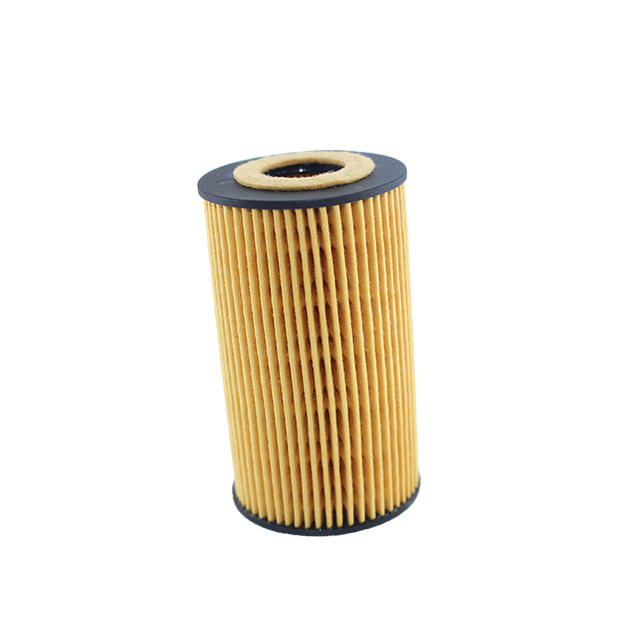
Car oil filters are designed to trap and remove various types of impurities that can be detrimental to the proper functioning of industrial equipment. These impurities include dust, dirt, metal particles, and sludge that can accumulate in the oil over time. The filter ensures that the oil circulating through the machinery remains clean and free from these harmful substances.
2.2 Filtering Mechanism
Oil filters consist of a housing that encloses a filter medium, typically made of fiberglass, cellulose, or synthetic materials. As the contaminated oil flows through the filter, the impurities get trapped in the media, allowing only clean oil to pass through. The filter medium's structure and composition play a crucial role in capturing particles of different sizes effectively.
3. The Impact of Clean Oil on Industrial Equipment Performance
3.1 Enhanced Lubrication
Clean oil acts as a lubricant, reducing friction among the moving parts of industrial equipment. By minimizing friction, clean oil helps prevent excessive wear and tear, reducing the likelihood of breakdowns and extending the machinery's lifespan. Efficient lubrication also leads to improved energy efficiency, resulting in cost savings for businesses.
3.2 Heat Dissipation
In addition to lubricating the machinery, oil also helps dissipate heat generated during operation. When oil becomes contaminated, its ability to dissipate heat decreases, leading to increased operating temperatures. Excessive heat can damage critical components of industrial equipment, compromising performance and reliability. Clean oil, facilitated by effective filtration, ensures efficient heat dissipation, preventing overheating and related issues.
4. Regular Maintenance for Optimal Efficiency
4.1 Importance of Regular Oil Changes
Regular oil changes are essential for maintaining the performance of industrial equipment. Over time, oil accumulates contaminants that can negatively impact machinery efficiency. By adhering to a scheduled oil change regimen, businesses can minimize the risk of costly repairs and improve overall equipment productivity. Additionally, replacing the oil filter during every oil change ensures continued filtration efficiency.
4.2 Monitoring Oil Quality
Apart from regular oil changes, it is crucial to monitor the quality of the oil within the industrial equipment. Implementing oil analysis techniques allows businesses to detect any irregularities or contaminants that may be present in the oil. This proactive approach enables timely action, preventing potential damage to the machinery and maximizing operational efficiency.
5. Choosing the Right Oil Filters for Industrial Equipment
5.1 Considerations for Selecting Oil Filters
When choosing oil filters for industrial equipment, several factors need to be considered. These include the equipment manufacturer's recommendations, the type of machinery, operating conditions, and the desired filtration efficiency. Investing in high-quality oil filters that meet or exceed the manufacturer's specifications ensures optimal performance and extends the equipment's lifespan.
5.2 Benefits of High-Quality Oil Filters
Opting for high-quality oil filters offers numerous advantages for industrial businesses. These filters are designed to provide superior filtration, effectively removing contaminants and preventing them from reaching critical components. High-quality filters also have extended durability, which translates into longer service intervals and reduced maintenance costs.
6. FAQ (Frequently Asked Questions)
Q1: How often should oil filters be replaced in industrial equipment?
A: The frequency of oil filter replacement depends on various factors, such as the manufacturer's recommendations, operating conditions, and the type of equipment. It is generally recommended to replace the oil filter during every scheduled oil change to ensure optimal filtration efficiency.
Q2: Can using low-quality oil filters affect industrial equipment performance?
A: Yes, using low-quality oil filters can have a detrimental effect on industrial equipment performance. These filters may not effectively remove contaminants, leading to increased wear and tear, reduced efficiency, and potential breakdowns.
Q3: What are the signs of a clogged oil filter in industrial equipment?
A: Some common signs of a clogged oil filter include decreased oil pressure, increased engine temperature, reduced equipment performance, and unusual noises. Regular monitoring and timely filter replacement can help prevent these issues.
Q4: Can clean oil filters improve energy efficiency in industrial equipment?
A: Yes, clean oil filters play a significant role in improving energy efficiency. By reducing friction and facilitating efficient heat dissipation, clean oil helps the machinery operate more smoothly, resulting in energy savings.
Q5: Are there any specific maintenance practices to extend the lifespan of oil filters?
A: To prolong the lifespan of oil filters, it is crucial to follow the manufacturer's recommendations regarding maintenance and replacement intervals. Additionally, regular oil analysis and monitoring oil quality can help identify any issues that may affect the filter's efficiency.
7. Conclusion: Ensuring Longevity and Peak Performance
In conclusion, car oil filters play a vital role in maintaining the peak performance and longevity of industrial equipment. By effectively removing impurities and contaminants, clean oil filters protect critical components, enhance lubrication, and promote efficient heat dissipation. Regular maintenance, including proper oil changes and monitoring oil quality, is crucial to ensure optimal equipment performance. Choosing high-quality oil filters that meet manufacturer specifications is a wise investment for industrial businesses seeking to optimize efficiency and minimize downtime. With the right oil filters and a proactive maintenance approach, businesses can confidently maintain their equipment's peak performance and reap the benefits of increased productivity and cost savings.
Key words:

* Please Enter Keywords
The company is mainly engaged in the manufacture and sale of auto parts and accessories in the automobile manufacturing industry, the manufacture and sale of automobile rubber products, and the import and export of auto parts.