

 Esperanto
 Shqiptare
 Euskara
 Zulu
Zulu
 Latinus
 Cymraeg
 தமிழ்
தமிழ்
 Slovak
 Slovak
 Afrikaans
Focus On Hot Spots

Contact Info
E-mail: txgs@taixifilter.com
Manager Xu: +86-15097925576
Manager Feng: +86-15803195413
Address: North side of Caiyuan Village, Gexianzhuang Town, Qinghe County, Xingtai City, Hebei Province (No. 250)
Protect Your Car's Engine with an Efficient Oil Filter
Release Time:
Dec 14,2023
Table of Contents: 1. Introduction: The Significance of an Efficient Oil Filter 2. How an Oil Filter Works: Filtering Contaminants for Engine Protection 3. The Role of an Efficient Oil Filter in Engine Performance 4. Extending Engine Lifespan with a Quality Oil Filter 5. Preventing Potential Engine Damage with the Right Oil Filter 6. Choosing the Perfect Oil Filter for Your Car 7. FAQs: Common Que
1. Introduction: The Significance of an Efficient Oil Filter
2. How an Oil Filter Works: Filtering Contaminants for Engine Protection
3. The Role of an Efficient Oil Filter in Engine Performance
4. Extending Engine Lifespan with a Quality Oil Filter
5. Preventing Potential Engine Damage with the Right Oil Filter
6. Choosing the Perfect Oil Filter for Your Car
7. FAQs: Common Questions about Oil Filters Answered
8. Conclusion: Enhance Your Car's Engine with an Efficient Oil Filter
1. Introduction: The Significance of an Efficient Oil Filter
Your car's engine is a vital component that requires proper care and maintenance to ensure optimal performance and longevity. One crucial aspect of engine protection is the use of an efficient oil filter. An oil filter plays a critical role in safeguarding your engine by removing contaminants and impurities from the oil, ensuring a clean and smooth flow to vital engine components.
2. How an Oil Filter Works: Filtering Contaminants for Engine Protection
An oil filter acts as a barrier between your engine and harmful particles that can cause damage and reduce performance. As the engine oil circulates through the system, the oil filter traps contaminants such as dirt, metal particles, and sludge. It prevents these harmful substances from circulating back into the engine, reducing the risk of wear and tear on critical components.
2.1 Filtration Mechanism
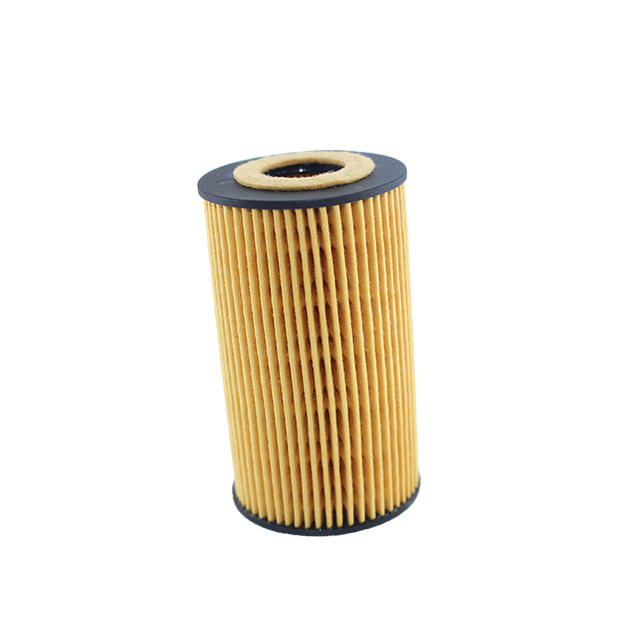
Oil filters typically consist of a filter medium, typically made of synthetic fibers or cellulose, enclosed in a metal or plastic housing. As the oil flows through the filter, the medium captures particles of various sizes, preventing them from reaching sensitive engine parts.
2.2 Filtering Efficiency
The efficiency of an oil filter refers to its ability to capture and retain contaminants. High-quality filters offer superior filtration efficiency, effectively trapping even the tiniest particles. This ensures that only clean oil reaches the engine, minimizing the risk of engine damage and optimizing performance.
3. The Role of an Efficient Oil Filter in Engine Performance
The performance of your car's engine is directly influenced by the quality of oil circulating within it. An efficient oil filter helps maintain oil cleanliness, ensuring smooth engine operation and optimal performance. By removing contaminants, the filter allows the oil to effectively lubricate and cool vital engine components, reducing friction and wear.
3.1 Enhanced Lubrication
Clean oil free of impurities provides better lubrication to engine parts, reducing friction and heat generation. This results in improved performance, reduced engine drag, and enhanced fuel efficiency.
3.2 Cooling Efficiency
Oil not only lubricates but also helps dissipate heat generated by the engine's moving parts. By removing contaminants, an efficient oil filter allows the oil to efficiently carry away heat, preventing overheating and potential engine damage.
4. Extending Engine Lifespan with a Quality Oil Filter
Using an efficient oil filter can significantly contribute to extending your car's engine lifespan. By ensuring clean oil circulation, the filter minimizes the risk of premature wear and damage to vital engine components. This can save you from costly repairs and help your car perform reliably for years to come.
4.1 Reducing Engine Wear
Contaminants present in oil can cause abrasive wear on engine parts, leading to premature degradation. A quality oil filter traps these particles, preventing them from causing damage and extending the lifespan of critical components such as pistons, camshafts, and bearings.
4.2 Protecting Against Corrosion
Contaminants in oil can also contribute to corrosion within the engine. An efficient oil filter removes harmful substances that can lead to the formation of sludge or acidic compounds, protecting the engine from corrosion and maintaining its longevity.
5. Preventing Potential Engine Damage with the Right Oil Filter
Using the right oil filter is crucial in preventing potential engine damage. A subpar or incompatible filter may fail to effectively trap contaminants or restrict oil flow. This can result in accelerated wear, decreased performance, and even engine failure. Investing in a quality oil filter that meets your car's specifications is essential for optimal engine protection.
5.1 Compatibility and Correct Installation
Ensure that the oil filter you choose is compatible with your car's make, model, and engine type. Follow manufacturer recommendations and guidelines for correct installation to guarantee proper fit and functionality. Using the wrong filter or improper installation can compromise engine performance and expose it to unnecessary risks.
5.2 Regular Filter Replacement
Regularly replacing the oil filter is as important as routine oil changes. Over time, the filter becomes saturated with contaminants, reducing its efficiency. Follow your vehicle manufacturer's recommended filter replacement interval to maintain optimal engine protection.
6. Choosing the Perfect Oil Filter for Your Car
Selecting the perfect oil filter for your car involves considering various factors such as compatibility, filtration efficiency, and quality. Consult your vehicle's owner manual or seek guidance from a trusted mechanic to identify the most suitable oil filter for your specific car model and engine requirements.
6.1 OEM vs. Aftermarket Filters
Original Equipment Manufacturer (OEM) filters are designed and manufactured by the same company that produced your vehicle. They are specifically engineered to meet your car's requirements and provide optimal performance. Aftermarket filters, on the other hand, are produced by third-party manufacturers. While they may offer a wider range of options, ensure they meet the necessary specifications and filtration standards.
6.2 Filtration Efficiency and Quality
Consider the filtration efficiency and quality of the oil filter. Look for filters with high-efficiency ratings, indicating their ability to capture a wide range of contaminants. Quality filters often feature robust construction, durable materials, and reliable seals to prevent leaks and ensure proper functioning.
7. FAQs: Common Questions about Oil Filters Answered
Q1: How often should I change my car's oil filter?
Q2: Can I reuse an oil filter?
Q3: What happens if I don't replace my oil filter?
Q4: Can I use a different brand of oil filter than recommended for my car?
Q5: How do I know if my oil filter is clogged?
8. Conclusion: Enhance Your Car's Engine with an Efficient Oil Filter
Investing in an efficient oil filter is essential for protecting and optimizing your car's engine performance. By effectively removing contaminants, an oil filter ensures clean oil circulation, enhances lubrication, reduces wear, and prevents potential damage. Choose the perfect oil filter for your car, follow recommended replacement intervals, and prioritize engine health to enjoy a reliable and long-lasting driving experience.
Key words:

* Please Enter Keywords
The company is mainly engaged in the manufacture and sale of auto parts and accessories in the automobile manufacturing industry, the manufacture and sale of automobile rubber products, and the import and export of auto parts.