

 Esperanto
 Shqiptare
 Euskara
 Zulu
Zulu
 Latinus
 Cymraeg
 தமிழ்
தமிழ்
 Slovak
 Slovak
 Afrikaans
Focus On Hot Spots

Contact Info
E-mail: txgs@taixifilter.com
Manager Xu: +86-15097925576
Manager Feng: +86-15803195413
Address: North side of Caiyuan Village, Gexianzhuang Town, Qinghe County, Xingtai City, Hebei Province (No. 250)
Common Signs of a Clogged Oil Filter in a Car: How to Recognize and Address the Issue
Release Time:
Dec 14,2023
Table of Contents: 1. 2. 3. 4. 5. 6. 7. 8. 1. As a car owner, it is crucial to ensure the proper functioning of various components, including the oil filter. A clogged oil filter can significantly affect your vehicle's performance and lead to severe engine damage if left unaddressed. In this article, we will explore the common signs of a clogged oil filter in a car and provide effective s
1.
2.
3.
4.
5.
6.
7.
8.
1.
As a car owner, it is crucial to ensure the proper functioning of various components, including the oil filter. A clogged oil filter can significantly affect your vehicle's performance and lead to severe engine damage if left unaddressed. In this article, we will explore the common signs of a clogged oil filter in a car and provide effective solutions to resolve the issue.
2.
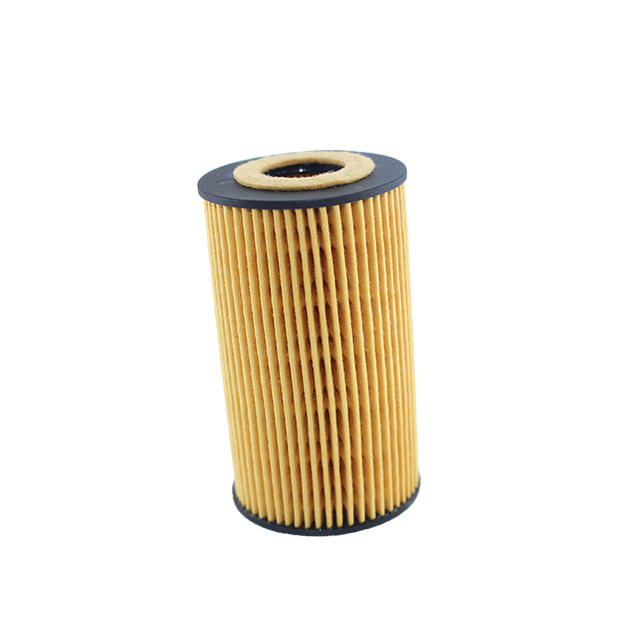
Before diving into the signs of a clogged oil filter, it is essential to grasp the significance of this crucial component. The oil filter plays a vital role in removing impurities and contaminants from the engine oil, ensuring clean lubrication to the engine's components. It prevents debris, dirt, and metal particles from reaching the engine, thereby maintaining its longevity and efficiency.
3.
Recognizing the signs of a clogged oil filter can help you prevent potential engine damage and maintain a smooth driving experience. Here are some common indicators to watch out for:
H1:
A clogged oil filter restricts the flow of oil to the engine, resulting in reduced oil pressure. This can lead to inadequate lubrication, increased friction, and potential damage to engine components. If you notice a sudden drop in oil pressure on your vehicle's dashboard, it could be a sign of a clogged oil filter.
H2:
A clogged oil filter can negatively impact your car's performance. You may experience a decrease in power, sluggish acceleration, or difficulty starting the engine. If your vehicle feels less responsive or lacks the usual smoothness, it's worth considering a clogged oil filter as a possible cause.
H2:
When the oil filter is clogged, the engine may struggle to dissipate heat properly. Inadequate lubrication and reduced oil flow can lead to excessive heat buildup, resulting in higher engine temperatures. Pay attention to any abnormal temperature gauge readings or warning lights, as they could indicate a clogged oil filter.
H2:
A clogged oil filter can also contribute to strange noises emanating from the engine. Insufficient lubrication caused by a clogged filter can result in increased friction between moving parts, leading to knocking, tapping, or grinding sounds. If you hear any unusual noises, it's essential to investigate the possibility of a clogged oil filter.
4.
Identifying a clogged oil filter requires careful observation and examination. Here are a few steps to help you recognize this issue:
H1:
Inspect the color and clarity of your engine oil. Fresh, clean oil appears amber or light brown, while a clogged filter may cause the oil to become dark and gritty. If you notice a significant change in the oil's appearance, it could indicate a clogged oil filter.
H2:
Remove the oil filter and visually inspect it for any signs of clogging. Look for dirt, debris, or sludge accumulation that obstructs the filter's openings. If the filter appears dirty or clogged, it is likely the cause of your vehicle's oil filter-related issues.
H2:
Using an oil pressure gauge, measure the oil pressure in your vehicle's engine. Compare the readings with the manufacturer's recommended values. If the pressure is consistently below the specified range, it could indicate a clogged oil filter.
5.
Neglecting a clogged oil filter can lead to severe consequences, affecting both your car's performance and its longevity. Some potential risks include:
H1:
Insufficient lubrication caused by a clogged oil filter can result in increased friction between engine components. Over time, this can lead to accelerated wear and tear, reduced engine efficiency, and even engine failure.
H2:
A clogged oil filter can negatively impact your car's fuel efficiency. The restricted oil flow and inadequate lubrication can cause the engine to work harder, resulting in increased fuel consumption. By addressing a clogged oil filter promptly, you can potentially improve your vehicle's fuel economy.
6.
Resolving a clogged oil filter issue requires proper maintenance and timely intervention. Here's a step-by-step guide to address this problem effectively:
H1:
Refer to your vehicle owner's manual to understand the specific instructions for changing the oil filter. It will provide you with the necessary guidance regarding the recommended filter type, replacement interval, and proper installation procedure.
H2:
Before starting the oil filter replacement, ensure you have all the required tools and materials, such as a new oil filter, a wrench or socket set, a drain pan, and fresh engine oil.
H2:
Identify the oil filter's location in your vehicle. It is typically found near the engine block or oil pan. Use a wrench or socket set to loosen and remove the filter carefully.
H2:
Place a drain pan beneath the oil filter to catch any oil that may spill. Allow the remaining oil in the filter and engine to drain fully.
H2:
Apply a thin layer of clean oil to the rubber gasket of the new oil filter. Screw the filter into place by hand, ensuring it is snug but not excessively tightened.
H2:
Consult your owner's manual to determine the appropriate oil type and quantity for your vehicle. Pour the recommended amount of clean oil into the engine.
H2:
Dispose of the used oil and old filter responsibly. Many auto parts stores or service centers offer oil recycling services.
7.
Here are some commonly asked questions related to clogged oil filters:
FAQ 1:
FAQ 2:
FAQ 3:
FAQ 4:
FAQ 5:
8.
Maintaining a clean and functional oil filter is essential for preserving your car's engine health and performance. By recognizing the signs of a clogged oil filter and promptly addressing the issue, you can avoid costly repairs and enjoy a smooth driving experience. Regular oil filter maintenance, coupled with timely replacements, will ensure optimal engine lubrication and extend the lifespan of your vehicle. Stay proactive and attentive to your car's needs to keep it in top shape.
Key words:

* Please Enter Keywords
The company is mainly engaged in the manufacture and sale of auto parts and accessories in the automobile manufacturing industry, the manufacture and sale of automobile rubber products, and the import and export of auto parts.