

 Esperanto
 Shqiptare
 Euskara
 Zulu
Zulu
 Latinus
 Cymraeg
 தமிழ்
தமிழ்
 Slovak
 Slovak
 Afrikaans
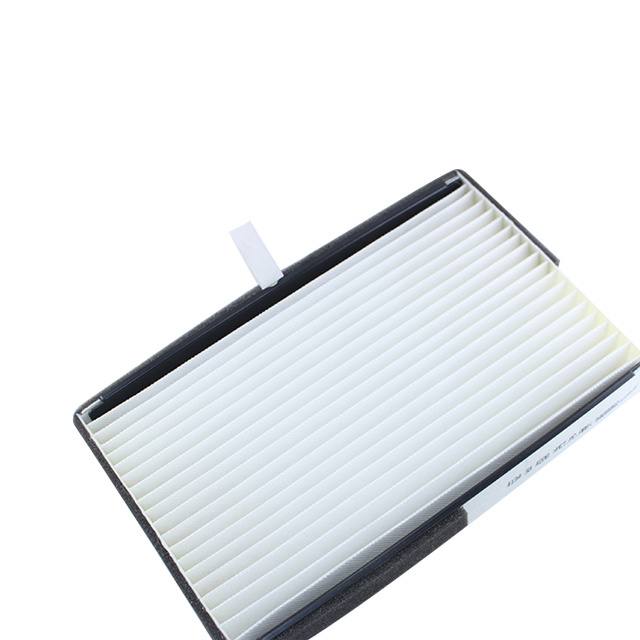
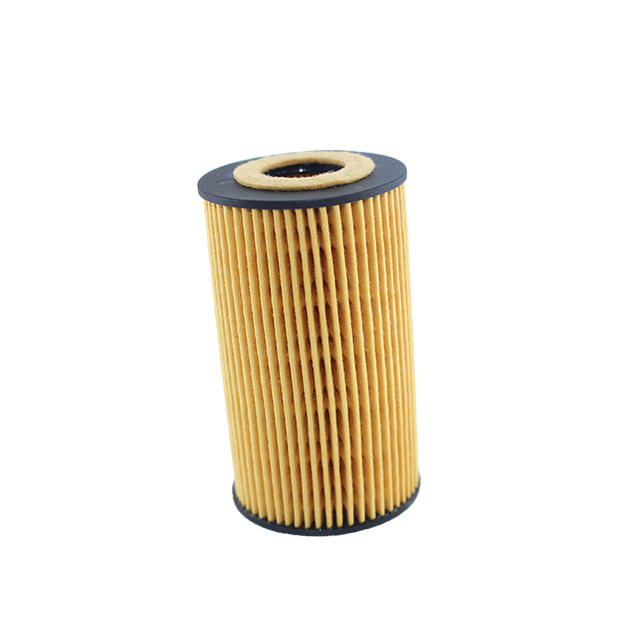
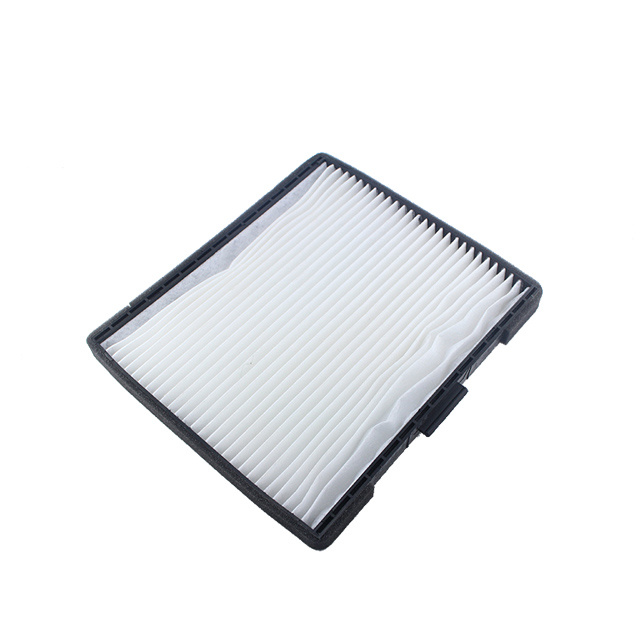
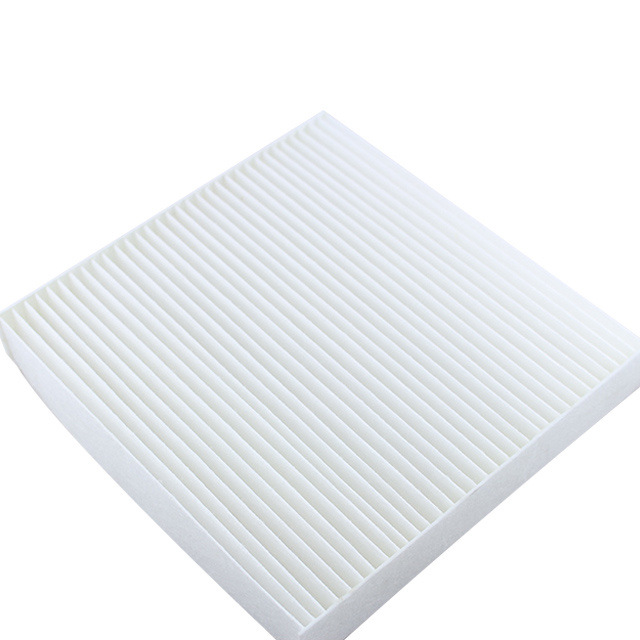
Focus On Hot Spots
Contact Info
E-mail: txgs@taixifilter.com
Manager Xu: +86-15097925576
Manager Feng: +86-15803195413
Address: North side of Caiyuan Village, Gexianzhuang Town, Qinghe County, Xingtai City, Hebei Province (No. 250)
Choosing the Right Filter for Your Split Air Conditioner: A Comprehensive Guide
Release Time:
Dec 15,2023
Table of Contents: 1. Understanding the Importance of Filters - The role of filters in air conditioners - The impact of dirty filters on air quality and efficiency 2. Types of Filters for Split Air Conditioners - Fiberglass filters - Pleated filters - Electrostatic filters - HEPA filters - Activated carbon filters 3. Selecting the Right Filter Size - Determining t
1. Understanding the Importance of Filters
- The role of filters in air conditioners
- The impact of dirty filters on air quality and efficiency
2. Types of Filters for Split Air Conditioners
- Fiberglass filters
- Pleated filters
- Electrostatic filters
- HEPA filters
- Activated carbon filters
3. Selecting the Right Filter Size
- Determining the size of your current filter
- Measuring the filter dimensions
4. Factors to Consider When Choosing a Filter
- Filter efficiency ratings
- MERV rating system
- Filter lifespan
- Allergen removal capabilities
- Cost considerations
5. Maintenance Tips for Filters
- Regular filter replacement schedule
- Cleaning reusable filters
- Proper handling and disposal of filters
6. Frequently Asked Questions about Air Conditioner Filters
- How often should I change my air conditioner filter?
- Can I use any type of filter for my split air conditioner?
- What are the signs of a dirty air filter?
- Are reusable filters better than disposable ones?
- Can a high-efficiency filter improve my air conditioner's performance?
7. Conclusion
Understanding the Importance of Filters
The role of filters in air conditioners
Filters play a crucial role in maintaining clean and healthy indoor air quality in your home or office. When your split air conditioner is in operation, the filter traps airborne particles such as dust, pollen, pet dander, and mold spores. By capturing these contaminants, filters prevent them from circulating throughout the room and potentially causing respiratory issues or allergies.
The impact of dirty filters on air quality and efficiency
If you neglect to clean or replace your air conditioner filter regularly, it can become clogged with dirt and debris. This not only compromises the air quality but also reduces the efficiency of your system. A dirty filter obstructs the airflow, causing your air conditioner to work harder and consume more energy to maintain the desired temperature. Inadequate airflow may lead to system malfunctions, increased energy bills, and even premature wear and tear.
Types of Filters for Split Air Conditioners
Fiberglass filters
Fiberglass filters are common and affordable options for split air conditioners. They consist of layered fiberglass fibers that capture larger particles effectively. However, they may not be as efficient in removing smaller particles or allergens from the air.
Pleated filters
Pleated filters offer better filtration compared to fiberglass filters. The pleats increase the surface area, allowing them to capture a wider range of particles. They are available in various sizes and MERV ratings, making them suitable for different air quality needs.
Electrostatic filters
Electrostatic filters use an electric charge to attract and trap particles. They can effectively capture smaller particles and are often washable and reusable. However, they may not be as efficient in removing allergens as HEPA filters.
HEPA filters
HEPA filters are highly efficient in removing airborne particles, including allergens, pollen, and pet dander. They meet strict standards and can capture up to 99.97% of particles as small as 0.3 microns. However, they may restrict airflow and require more frequent replacement.
Activated carbon filters
Activated carbon filters are designed to absorb odors, smoke, and chemical fumes. While they are not as effective in capturing larger particles, they can improve the overall air quality by reducing unpleasant odors.
Selecting the Right Filter Size
Determining the size of your current filter
To determine the size of your current filter, check the existing filter for any labels or markings indicating its dimensions. The size is typically printed as length x width x height measurements.
Measuring the filter dimensions
If you don't have an existing filter or cannot find the dimensions, measure the filter slot or the filter housing in your air conditioner. Use a tape measure to measure the length, width, and height accurately. Round up the measurements to the nearest inch to ensure you select a filter that fits properly.
Factors to Consider When Choosing a Filter
Filter efficiency ratings
Filters are assigned efficiency ratings based on their ability to remove particles from the air. The higher the rating, the more efficient the filter. Look for filters with higher MERV (Minimum Efficiency Reporting Value) ratings or other industry-standard ratings to ensure optimal filtration.
MERV rating system
The MERV rating system ranges from 1 to 20, with higher numbers indicating higher efficiency. For most residential applications, filters with a MERV rating between 8 and 13 are sufficient. However, consult your air conditioner manufacturer's recommendations to select the appropriate MERV rating for your specific system.
Filter lifespan
Consider the lifespan of the filter when making your selection. Some filters may require more frequent replacement than others. Check the manufacturer's instructions or recommendations for the recommended replacement schedule.
Allergen removal capabilities
If you or your family members suffer from allergies or asthma, choose a filter that specifically targets allergens. HEPA filters are highly effective in removing allergens and can significantly improve indoor air quality for allergy sufferers.
Cost considerations
Filters vary in price depending on their type, size, and efficiency. Consider your budget and weigh the cost against the benefits of improved air quality and system efficiency. Remember, investing in a higher-quality filter may result in long-term savings on energy bills and maintenance costs.
Maintenance Tips for Filters
Regular filter replacement schedule
To maintain optimal air quality and system performance, establish a regular filter replacement schedule. Most filters require replacement every 1 to 3 months, depending on factors such as the environment and filter type. Check the manufacturer's recommendations for the appropriate replacement interval.
Cleaning reusable filters
If you have a reusable filter, follow the manufacturer's instructions for proper cleaning. Usually, you can rinse the filter with water or use a vacuum cleaner to remove accumulated debris. Allow the filter to dry completely before reinstalling it.
Proper handling and disposal of filters
When replacing disposable filters, handle them with care to avoid releasing trapped particles back into the air. Seal the used filter in a plastic bag before disposing of it. Check local regulations for proper disposal methods, as some filters may require special handling due to their material composition.
Frequently Asked Questions about Air Conditioner Filters
How often should I change my air conditioner filter?
The frequency of filter replacement depends on factors such as filter type, usage, and air quality. As a general guideline, replace disposable filters every 1 to 3 months and clean reusable filters according to the manufacturer's instructions.
Can I use any type of filter for my split air conditioner?
While some filters may fit your split air conditioner, it is essential to choose a filter specifically designed for your system. Refer to your air conditioner's documentation or consult a professional to ensure compatibility and optimal performance.
What are the signs of a dirty air filter?
Common signs of a dirty air filter include reduced airflow, increased energy consumption, decreased cooling efficiency, and the presence of dust or debris around the air vents. Regularly inspect your filter for visible dirt or clogs.
Are reusable filters better than disposable ones?
Reusable filters offer the advantage of being washable and reusable, reducing waste and long-term costs. However, disposable filters are often more efficient and require less maintenance.
Can a high-efficiency filter improve my air conditioner's performance?
Using a high-efficiency filter can improve air quality by capturing smaller particles and allergens. However, keep in mind that very high-efficiency filters may restrict airflow, potentially impacting your air conditioner's performance. Consult your manufacturer's recommendations for the best filter option for your system.
Conclusion
Choosing the right filter for your split air conditioner is crucial for maintaining clean and healthy indoor air. By understanding the importance of filters, exploring various types, considering factors such as size, efficiency, and maintenance requirements, you can make an informed decision. Regularly replacing or cleaning your filter will ensure optimal air quality, system efficiency, and longevity. Invest in the right filter and enjoy the benefits of a well-maintained split air conditioner.
- The impact of dirty filters on air quality and efficiency
2. Types of Filters for Split Air Conditioners
- Fiberglass filters
- Pleated filters
- Electrostatic filters
- HEPA filters
- Activated carbon filters
3. Selecting the Right Filter Size
- Determining the size of your current filter
- Measuring the filter dimensions
4. Factors to Consider When Choosing a Filter
- Filter efficiency ratings
- MERV rating system
- Filter lifespan
- Allergen removal capabilities
- Cost considerations
5. Maintenance Tips for Filters
- Regular filter replacement schedule
- Cleaning reusable filters
- Proper handling and disposal of filters
6. Frequently Asked Questions about Air Conditioner Filters
- How often should I change my air conditioner filter?
- Can I use any type of filter for my split air conditioner?
- What are the signs of a dirty air filter?
- Are reusable filters better than disposable ones?
- Can a high-efficiency filter improve my air conditioner's performance?
7. Conclusion
Understanding the Importance of Filters
The role of filters in air conditioners
Filters play a crucial role in maintaining clean and healthy indoor air quality in your home or office. When your split air conditioner is in operation, the filter traps airborne particles such as dust, pollen, pet dander, and mold spores. By capturing these contaminants, filters prevent them from circulating throughout the room and potentially causing respiratory issues or allergies.
The impact of dirty filters on air quality and efficiency
If you neglect to clean or replace your air conditioner filter regularly, it can become clogged with dirt and debris. This not only compromises the air quality but also reduces the efficiency of your system. A dirty filter obstructs the airflow, causing your air conditioner to work harder and consume more energy to maintain the desired temperature. Inadequate airflow may lead to system malfunctions, increased energy bills, and even premature wear and tear.
Types of Filters for Split Air Conditioners
Fiberglass filters
Fiberglass filters are common and affordable options for split air conditioners. They consist of layered fiberglass fibers that capture larger particles effectively. However, they may not be as efficient in removing smaller particles or allergens from the air.
Pleated filters
Pleated filters offer better filtration compared to fiberglass filters. The pleats increase the surface area, allowing them to capture a wider range of particles. They are available in various sizes and MERV ratings, making them suitable for different air quality needs.
Electrostatic filters
Electrostatic filters use an electric charge to attract and trap particles. They can effectively capture smaller particles and are often washable and reusable. However, they may not be as efficient in removing allergens as HEPA filters.
HEPA filters
HEPA filters are highly efficient in removing airborne particles, including allergens, pollen, and pet dander. They meet strict standards and can capture up to 99.97% of particles as small as 0.3 microns. However, they may restrict airflow and require more frequent replacement.
Activated carbon filters
Activated carbon filters are designed to absorb odors, smoke, and chemical fumes. While they are not as effective in capturing larger particles, they can improve the overall air quality by reducing unpleasant odors.
Selecting the Right Filter Size
Determining the size of your current filter
To determine the size of your current filter, check the existing filter for any labels or markings indicating its dimensions. The size is typically printed as length x width x height measurements.
Measuring the filter dimensions
If you don't have an existing filter or cannot find the dimensions, measure the filter slot or the filter housing in your air conditioner. Use a tape measure to measure the length, width, and height accurately. Round up the measurements to the nearest inch to ensure you select a filter that fits properly.
Factors to Consider When Choosing a Filter
Filter efficiency ratings
Filters are assigned efficiency ratings based on their ability to remove particles from the air. The higher the rating, the more efficient the filter. Look for filters with higher MERV (Minimum Efficiency Reporting Value) ratings or other industry-standard ratings to ensure optimal filtration.
MERV rating system
The MERV rating system ranges from 1 to 20, with higher numbers indicating higher efficiency. For most residential applications, filters with a MERV rating between 8 and 13 are sufficient. However, consult your air conditioner manufacturer's recommendations to select the appropriate MERV rating for your specific system.
Filter lifespan
Consider the lifespan of the filter when making your selection. Some filters may require more frequent replacement than others. Check the manufacturer's instructions or recommendations for the recommended replacement schedule.
Allergen removal capabilities
If you or your family members suffer from allergies or asthma, choose a filter that specifically targets allergens. HEPA filters are highly effective in removing allergens and can significantly improve indoor air quality for allergy sufferers.
Cost considerations
Filters vary in price depending on their type, size, and efficiency. Consider your budget and weigh the cost against the benefits of improved air quality and system efficiency. Remember, investing in a higher-quality filter may result in long-term savings on energy bills and maintenance costs.
Maintenance Tips for Filters
Regular filter replacement schedule
To maintain optimal air quality and system performance, establish a regular filter replacement schedule. Most filters require replacement every 1 to 3 months, depending on factors such as the environment and filter type. Check the manufacturer's recommendations for the appropriate replacement interval.
Cleaning reusable filters
If you have a reusable filter, follow the manufacturer's instructions for proper cleaning. Usually, you can rinse the filter with water or use a vacuum cleaner to remove accumulated debris. Allow the filter to dry completely before reinstalling it.
Proper handling and disposal of filters
When replacing disposable filters, handle them with care to avoid releasing trapped particles back into the air. Seal the used filter in a plastic bag before disposing of it. Check local regulations for proper disposal methods, as some filters may require special handling due to their material composition.
Frequently Asked Questions about Air Conditioner Filters
How often should I change my air conditioner filter?
The frequency of filter replacement depends on factors such as filter type, usage, and air quality. As a general guideline, replace disposable filters every 1 to 3 months and clean reusable filters according to the manufacturer's instructions.
Can I use any type of filter for my split air conditioner?
While some filters may fit your split air conditioner, it is essential to choose a filter specifically designed for your system. Refer to your air conditioner's documentation or consult a professional to ensure compatibility and optimal performance.
What are the signs of a dirty air filter?
Common signs of a dirty air filter include reduced airflow, increased energy consumption, decreased cooling efficiency, and the presence of dust or debris around the air vents. Regularly inspect your filter for visible dirt or clogs.
Are reusable filters better than disposable ones?
Reusable filters offer the advantage of being washable and reusable, reducing waste and long-term costs. However, disposable filters are often more efficient and require less maintenance.
Can a high-efficiency filter improve my air conditioner's performance?
Using a high-efficiency filter can improve air quality by capturing smaller particles and allergens. However, keep in mind that very high-efficiency filters may restrict airflow, potentially impacting your air conditioner's performance. Consult your manufacturer's recommendations for the best filter option for your system.
Conclusion
Choosing the right filter for your split air conditioner is crucial for maintaining clean and healthy indoor air. By understanding the importance of filters, exploring various types, considering factors such as size, efficiency, and maintenance requirements, you can make an informed decision. Regularly replacing or cleaning your filter will ensure optimal air quality, system efficiency, and longevity. Invest in the right filter and enjoy the benefits of a well-maintained split air conditioner.
- Fiberglass filters
- Pleated filters
- Electrostatic filters
- HEPA filters
- Activated carbon filters
3. Selecting the Right Filter Size
- Determining the size of your current filter
- Measuring the filter dimensions
4. Factors to Consider When Choosing a Filter
- Filter efficiency ratings
- MERV rating system
- Filter lifespan
- Allergen removal capabilities
- Cost considerations
5. Maintenance Tips for Filters
- Regular filter replacement schedule
- Cleaning reusable filters
- Proper handling and disposal of filters
6. Frequently Asked Questions about Air Conditioner Filters
- How often should I change my air conditioner filter?
- Can I use any type of filter for my split air conditioner?
- What are the signs of a dirty air filter?
- Are reusable filters better than disposable ones?
- Can a high-efficiency filter improve my air conditioner's performance?
7. Conclusion
Understanding the Importance of Filters
The role of filters in air conditioners
Filters play a crucial role in maintaining clean and healthy indoor air quality in your home or office. When your split air conditioner is in operation, the filter traps airborne particles such as dust, pollen, pet dander, and mold spores. By capturing these contaminants, filters prevent them from circulating throughout the room and potentially causing respiratory issues or allergies.
The impact of dirty filters on air quality and efficiency
If you neglect to clean or replace your air conditioner filter regularly, it can become clogged with dirt and debris. This not only compromises the air quality but also reduces the efficiency of your system. A dirty filter obstructs the airflow, causing your air conditioner to work harder and consume more energy to maintain the desired temperature. Inadequate airflow may lead to system malfunctions, increased energy bills, and even premature wear and tear.
Types of Filters for Split Air Conditioners
Fiberglass filters
Fiberglass filters are common and affordable options for split air conditioners. They consist of layered fiberglass fibers that capture larger particles effectively. However, they may not be as efficient in removing smaller particles or allergens from the air.
Pleated filters
Pleated filters offer better filtration compared to fiberglass filters. The pleats increase the surface area, allowing them to capture a wider range of particles. They are available in various sizes and MERV ratings, making them suitable for different air quality needs.
Electrostatic filters
Electrostatic filters use an electric charge to attract and trap particles. They can effectively capture smaller particles and are often washable and reusable. However, they may not be as efficient in removing allergens as HEPA filters.
HEPA filters
HEPA filters are highly efficient in removing airborne particles, including allergens, pollen, and pet dander. They meet strict standards and can capture up to 99.97% of particles as small as 0.3 microns. However, they may restrict airflow and require more frequent replacement.
Activated carbon filters
Activated carbon filters are designed to absorb odors, smoke, and chemical fumes. While they are not as effective in capturing larger particles, they can improve the overall air quality by reducing unpleasant odors.
Selecting the Right Filter Size
Determining the size of your current filter
To determine the size of your current filter, check the existing filter for any labels or markings indicating its dimensions. The size is typically printed as length x width x height measurements.
Measuring the filter dimensions
If you don't have an existing filter or cannot find the dimensions, measure the filter slot or the filter housing in your air conditioner. Use a tape measure to measure the length, width, and height accurately. Round up the measurements to the nearest inch to ensure you select a filter that fits properly.
Factors to Consider When Choosing a Filter
Filter efficiency ratings
Filters are assigned efficiency ratings based on their ability to remove particles from the air. The higher the rating, the more efficient the filter. Look for filters with higher MERV (Minimum Efficiency Reporting Value) ratings or other industry-standard ratings to ensure optimal filtration.
MERV rating system
The MERV rating system ranges from 1 to 20, with higher numbers indicating higher efficiency. For most residential applications, filters with a MERV rating between 8 and 13 are sufficient. However, consult your air conditioner manufacturer's recommendations to select the appropriate MERV rating for your specific system.
Filter lifespan
Consider the lifespan of the filter when making your selection. Some filters may require more frequent replacement than others. Check the manufacturer's instructions or recommendations for the recommended replacement schedule.
Allergen removal capabilities
If you or your family members suffer from allergies or asthma, choose a filter that specifically targets allergens. HEPA filters are highly effective in removing allergens and can significantly improve indoor air quality for allergy sufferers.
Cost considerations
Filters vary in price depending on their type, size, and efficiency. Consider your budget and weigh the cost against the benefits of improved air quality and system efficiency. Remember, investing in a higher-quality filter may result in long-term savings on energy bills and maintenance costs.
Maintenance Tips for Filters
Regular filter replacement schedule
To maintain optimal air quality and system performance, establish a regular filter replacement schedule. Most filters require replacement every 1 to 3 months, depending on factors such as the environment and filter type. Check the manufacturer's recommendations for the appropriate replacement interval.
Cleaning reusable filters
If you have a reusable filter, follow the manufacturer's instructions for proper cleaning. Usually, you can rinse the filter with water or use a vacuum cleaner to remove accumulated debris. Allow the filter to dry completely before reinstalling it.
Proper handling and disposal of filters
When replacing disposable filters, handle them with care to avoid releasing trapped particles back into the air. Seal the used filter in a plastic bag before disposing of it. Check local regulations for proper disposal methods, as some filters may require special handling due to their material composition.
Frequently Asked Questions about Air Conditioner Filters
How often should I change my air conditioner filter?
The frequency of filter replacement depends on factors such as filter type, usage, and air quality. As a general guideline, replace disposable filters every 1 to 3 months and clean reusable filters according to the manufacturer's instructions.
Can I use any type of filter for my split air conditioner?
While some filters may fit your split air conditioner, it is essential to choose a filter specifically designed for your system. Refer to your air conditioner's documentation or consult a professional to ensure compatibility and optimal performance.
What are the signs of a dirty air filter?
Common signs of a dirty air filter include reduced airflow, increased energy consumption, decreased cooling efficiency, and the presence of dust or debris around the air vents. Regularly inspect your filter for visible dirt or clogs.
Are reusable filters better than disposable ones?
Reusable filters offer the advantage of being washable and reusable, reducing waste and long-term costs. However, disposable filters are often more efficient and require less maintenance.
Can a high-efficiency filter improve my air conditioner's performance?
Using a high-efficiency filter can improve air quality by capturing smaller particles and allergens. However, keep in mind that very high-efficiency filters may restrict airflow, potentially impacting your air conditioner's performance. Consult your manufacturer's recommendations for the best filter option for your system.
Conclusion
Choosing the right filter for your split air conditioner is crucial for maintaining clean and healthy indoor air. By understanding the importance of filters, exploring various types, considering factors such as size, efficiency, and maintenance requirements, you can make an informed decision. Regularly replacing or cleaning your filter will ensure optimal air quality, system efficiency, and longevity. Invest in the right filter and enjoy the benefits of a well-maintained split air conditioner.
- Electrostatic filters
- HEPA filters
- Activated carbon filters
3. Selecting the Right Filter Size
- Determining the size of your current filter
- Measuring the filter dimensions
4. Factors to Consider When Choosing a Filter
- Filter efficiency ratings
- MERV rating system
- Filter lifespan
- Allergen removal capabilities
- Cost considerations
5. Maintenance Tips for Filters
- Regular filter replacement schedule
- Cleaning reusable filters
- Proper handling and disposal of filters
6. Frequently Asked Questions about Air Conditioner Filters
- How often should I change my air conditioner filter?
- Can I use any type of filter for my split air conditioner?
- What are the signs of a dirty air filter?
- Are reusable filters better than disposable ones?
- Can a high-efficiency filter improve my air conditioner's performance?
7. Conclusion
Understanding the Importance of Filters
The role of filters in air conditioners
Filters play a crucial role in maintaining clean and healthy indoor air quality in your home or office. When your split air conditioner is in operation, the filter traps airborne particles such as dust, pollen, pet dander, and mold spores. By capturing these contaminants, filters prevent them from circulating throughout the room and potentially causing respiratory issues or allergies.
The impact of dirty filters on air quality and efficiency
If you neglect to clean or replace your air conditioner filter regularly, it can become clogged with dirt and debris. This not only compromises the air quality but also reduces the efficiency of your system. A dirty filter obstructs the airflow, causing your air conditioner to work harder and consume more energy to maintain the desired temperature. Inadequate airflow may lead to system malfunctions, increased energy bills, and even premature wear and tear.
Types of Filters for Split Air Conditioners
Fiberglass filters
Fiberglass filters are common and affordable options for split air conditioners. They consist of layered fiberglass fibers that capture larger particles effectively. However, they may not be as efficient in removing smaller particles or allergens from the air.
Pleated filters
Pleated filters offer better filtration compared to fiberglass filters. The pleats increase the surface area, allowing them to capture a wider range of particles. They are available in various sizes and MERV ratings, making them suitable for different air quality needs.
Electrostatic filters
Electrostatic filters use an electric charge to attract and trap particles. They can effectively capture smaller particles and are often washable and reusable. However, they may not be as efficient in removing allergens as HEPA filters.
HEPA filters
HEPA filters are highly efficient in removing airborne particles, including allergens, pollen, and pet dander. They meet strict standards and can capture up to 99.97% of particles as small as 0.3 microns. However, they may restrict airflow and require more frequent replacement.
Activated carbon filters
Activated carbon filters are designed to absorb odors, smoke, and chemical fumes. While they are not as effective in capturing larger particles, they can improve the overall air quality by reducing unpleasant odors.
Selecting the Right Filter Size
Determining the size of your current filter
To determine the size of your current filter, check the existing filter for any labels or markings indicating its dimensions. The size is typically printed as length x width x height measurements.
Measuring the filter dimensions
If you don't have an existing filter or cannot find the dimensions, measure the filter slot or the filter housing in your air conditioner. Use a tape measure to measure the length, width, and height accurately. Round up the measurements to the nearest inch to ensure you select a filter that fits properly.
Factors to Consider When Choosing a Filter
Filter efficiency ratings
Filters are assigned efficiency ratings based on their ability to remove particles from the air. The higher the rating, the more efficient the filter. Look for filters with higher MERV (Minimum Efficiency Reporting Value) ratings or other industry-standard ratings to ensure optimal filtration.
MERV rating system
The MERV rating system ranges from 1 to 20, with higher numbers indicating higher efficiency. For most residential applications, filters with a MERV rating between 8 and 13 are sufficient. However, consult your air conditioner manufacturer's recommendations to select the appropriate MERV rating for your specific system.
Filter lifespan
Consider the lifespan of the filter when making your selection. Some filters may require more frequent replacement than others. Check the manufacturer's instructions or recommendations for the recommended replacement schedule.
Allergen removal capabilities
If you or your family members suffer from allergies or asthma, choose a filter that specifically targets allergens. HEPA filters are highly effective in removing allergens and can significantly improve indoor air quality for allergy sufferers.
Cost considerations
Filters vary in price depending on their type, size, and efficiency. Consider your budget and weigh the cost against the benefits of improved air quality and system efficiency. Remember, investing in a higher-quality filter may result in long-term savings on energy bills and maintenance costs.
Maintenance Tips for Filters
Regular filter replacement schedule
To maintain optimal air quality and system performance, establish a regular filter replacement schedule. Most filters require replacement every 1 to 3 months, depending on factors such as the environment and filter type. Check the manufacturer's recommendations for the appropriate replacement interval.
Cleaning reusable filters
If you have a reusable filter, follow the manufacturer's instructions for proper cleaning. Usually, you can rinse the filter with water or use a vacuum cleaner to remove accumulated debris. Allow the filter to dry completely before reinstalling it.
Proper handling and disposal of filters
When replacing disposable filters, handle them with care to avoid releasing trapped particles back into the air. Seal the used filter in a plastic bag before disposing of it. Check local regulations for proper disposal methods, as some filters may require special handling due to their material composition.
Frequently Asked Questions about Air Conditioner Filters
How often should I change my air conditioner filter?
The frequency of filter replacement depends on factors such as filter type, usage, and air quality. As a general guideline, replace disposable filters every 1 to 3 months and clean reusable filters according to the manufacturer's instructions.
Can I use any type of filter for my split air conditioner?
While some filters may fit your split air conditioner, it is essential to choose a filter specifically designed for your system. Refer to your air conditioner's documentation or consult a professional to ensure compatibility and optimal performance.
What are the signs of a dirty air filter?
Common signs of a dirty air filter include reduced airflow, increased energy consumption, decreased cooling efficiency, and the presence of dust or debris around the air vents. Regularly inspect your filter for visible dirt or clogs.
Are reusable filters better than disposable ones?
Reusable filters offer the advantage of being washable and reusable, reducing waste and long-term costs. However, disposable filters are often more efficient and require less maintenance.
Can a high-efficiency filter improve my air conditioner's performance?
Using a high-efficiency filter can improve air quality by capturing smaller particles and allergens. However, keep in mind that very high-efficiency filters may restrict airflow, potentially impacting your air conditioner's performance. Consult your manufacturer's recommendations for the best filter option for your system.
Conclusion
Choosing the right filter for your split air conditioner is crucial for maintaining clean and healthy indoor air. By understanding the importance of filters, exploring various types, considering factors such as size, efficiency, and maintenance requirements, you can make an informed decision. Regularly replacing or cleaning your filter will ensure optimal air quality, system efficiency, and longevity. Invest in the right filter and enjoy the benefits of a well-maintained split air conditioner.
- Activated carbon filters
3. Selecting the Right Filter Size
- Determining the size of your current filter
- Measuring the filter dimensions
4. Factors to Consider When Choosing a Filter
- Filter efficiency ratings
- MERV rating system
- Filter lifespan
- Allergen removal capabilities
- Cost considerations
5. Maintenance Tips for Filters
- Regular filter replacement schedule
- Cleaning reusable filters
- Proper handling and disposal of filters
6. Frequently Asked Questions about Air Conditioner Filters
- How often should I change my air conditioner filter?
- Can I use any type of filter for my split air conditioner?
- What are the signs of a dirty air filter?
- Are reusable filters better than disposable ones?
- Can a high-efficiency filter improve my air conditioner's performance?
7. Conclusion
Understanding the Importance of Filters
The role of filters in air conditioners
Filters play a crucial role in maintaining clean and healthy indoor air quality in your home or office. When your split air conditioner is in operation, the filter traps airborne particles such as dust, pollen, pet dander, and mold spores. By capturing these contaminants, filters prevent them from circulating throughout the room and potentially causing respiratory issues or allergies.
The impact of dirty filters on air quality and efficiency
If you neglect to clean or replace your air conditioner filter regularly, it can become clogged with dirt and debris. This not only compromises the air quality but also reduces the efficiency of your system. A dirty filter obstructs the airflow, causing your air conditioner to work harder and consume more energy to maintain the desired temperature. Inadequate airflow may lead to system malfunctions, increased energy bills, and even premature wear and tear.
Types of Filters for Split Air Conditioners
Fiberglass filters
Fiberglass filters are common and affordable options for split air conditioners. They consist of layered fiberglass fibers that capture larger particles effectively. However, they may not be as efficient in removing smaller particles or allergens from the air.
Pleated filters
Pleated filters offer better filtration compared to fiberglass filters. The pleats increase the surface area, allowing them to capture a wider range of particles. They are available in various sizes and MERV ratings, making them suitable for different air quality needs.
Electrostatic filters
Electrostatic filters use an electric charge to attract and trap particles. They can effectively capture smaller particles and are often washable and reusable. However, they may not be as efficient in removing allergens as HEPA filters.
HEPA filters
HEPA filters are highly efficient in removing airborne particles, including allergens, pollen, and pet dander. They meet strict standards and can capture up to 99.97% of particles as small as 0.3 microns. However, they may restrict airflow and require more frequent replacement.
Activated carbon filters
Activated carbon filters are designed to absorb odors, smoke, and chemical fumes. While they are not as effective in capturing larger particles, they can improve the overall air quality by reducing unpleasant odors.
Selecting the Right Filter Size
Determining the size of your current filter
To determine the size of your current filter, check the existing filter for any labels or markings indicating its dimensions. The size is typically printed as length x width x height measurements.
Measuring the filter dimensions
If you don't have an existing filter or cannot find the dimensions, measure the filter slot or the filter housing in your air conditioner. Use a tape measure to measure the length, width, and height accurately. Round up the measurements to the nearest inch to ensure you select a filter that fits properly.
Factors to Consider When Choosing a Filter
Filter efficiency ratings
Filters are assigned efficiency ratings based on their ability to remove particles from the air. The higher the rating, the more efficient the filter. Look for filters with higher MERV (Minimum Efficiency Reporting Value) ratings or other industry-standard ratings to ensure optimal filtration.
MERV rating system
The MERV rating system ranges from 1 to 20, with higher numbers indicating higher efficiency. For most residential applications, filters with a MERV rating between 8 and 13 are sufficient. However, consult your air conditioner manufacturer's recommendations to select the appropriate MERV rating for your specific system.
Filter lifespan
Consider the lifespan of the filter when making your selection. Some filters may require more frequent replacement than others. Check the manufacturer's instructions or recommendations for the recommended replacement schedule.
Allergen removal capabilities
If you or your family members suffer from allergies or asthma, choose a filter that specifically targets allergens. HEPA filters are highly effective in removing allergens and can significantly improve indoor air quality for allergy sufferers.
Cost considerations
Filters vary in price depending on their type, size, and efficiency. Consider your budget and weigh the cost against the benefits of improved air quality and system efficiency. Remember, investing in a higher-quality filter may result in long-term savings on energy bills and maintenance costs.
Maintenance Tips for Filters
Regular filter replacement schedule
To maintain optimal air quality and system performance, establish a regular filter replacement schedule. Most filters require replacement every 1 to 3 months, depending on factors such as the environment and filter type. Check the manufacturer's recommendations for the appropriate replacement interval.
Cleaning reusable filters
If you have a reusable filter, follow the manufacturer's instructions for proper cleaning. Usually, you can rinse the filter with water or use a vacuum cleaner to remove accumulated debris. Allow the filter to dry completely before reinstalling it.
Proper handling and disposal of filters
When replacing disposable filters, handle them with care to avoid releasing trapped particles back into the air. Seal the used filter in a plastic bag before disposing of it. Check local regulations for proper disposal methods, as some filters may require special handling due to their material composition.
Frequently Asked Questions about Air Conditioner Filters
How often should I change my air conditioner filter?
The frequency of filter replacement depends on factors such as filter type, usage, and air quality. As a general guideline, replace disposable filters every 1 to 3 months and clean reusable filters according to the manufacturer's instructions.
Can I use any type of filter for my split air conditioner?
While some filters may fit your split air conditioner, it is essential to choose a filter specifically designed for your system. Refer to your air conditioner's documentation or consult a professional to ensure compatibility and optimal performance.
What are the signs of a dirty air filter?
Common signs of a dirty air filter include reduced airflow, increased energy consumption, decreased cooling efficiency, and the presence of dust or debris around the air vents. Regularly inspect your filter for visible dirt or clogs.
Are reusable filters better than disposable ones?
Reusable filters offer the advantage of being washable and reusable, reducing waste and long-term costs. However, disposable filters are often more efficient and require less maintenance.
Can a high-efficiency filter improve my air conditioner's performance?
Using a high-efficiency filter can improve air quality by capturing smaller particles and allergens. However, keep in mind that very high-efficiency filters may restrict airflow, potentially impacting your air conditioner's performance. Consult your manufacturer's recommendations for the best filter option for your system.
Conclusion
Choosing the right filter for your split air conditioner is crucial for maintaining clean and healthy indoor air. By understanding the importance of filters, exploring various types, considering factors such as size, efficiency, and maintenance requirements, you can make an informed decision. Regularly replacing or cleaning your filter will ensure optimal air quality, system efficiency, and longevity. Invest in the right filter and enjoy the benefits of a well-maintained split air conditioner.
- Determining the size of your current filter
- Measuring the filter dimensions
4. Factors to Consider When Choosing a Filter
- Filter efficiency ratings
- MERV rating system
- Filter lifespan
- Allergen removal capabilities
- Cost considerations
5. Maintenance Tips for Filters
- Regular filter replacement schedule
- Cleaning reusable filters
- Proper handling and disposal of filters
6. Frequently Asked Questions about Air Conditioner Filters
- How often should I change my air conditioner filter?
- Can I use any type of filter for my split air conditioner?
- What are the signs of a dirty air filter?
- Are reusable filters better than disposable ones?
- Can a high-efficiency filter improve my air conditioner's performance?
7. Conclusion
Understanding the Importance of Filters
The role of filters in air conditioners
Filters play a crucial role in maintaining clean and healthy indoor air quality in your home or office. When your split air conditioner is in operation, the filter traps airborne particles such as dust, pollen, pet dander, and mold spores. By capturing these contaminants, filters prevent them from circulating throughout the room and potentially causing respiratory issues or allergies.
The impact of dirty filters on air quality and efficiency
If you neglect to clean or replace your air conditioner filter regularly, it can become clogged with dirt and debris. This not only compromises the air quality but also reduces the efficiency of your system. A dirty filter obstructs the airflow, causing your air conditioner to work harder and consume more energy to maintain the desired temperature. Inadequate airflow may lead to system malfunctions, increased energy bills, and even premature wear and tear.
Types of Filters for Split Air Conditioners
Fiberglass filters
Fiberglass filters are common and affordable options for split air conditioners. They consist of layered fiberglass fibers that capture larger particles effectively. However, they may not be as efficient in removing smaller particles or allergens from the air.
Pleated filters
Pleated filters offer better filtration compared to fiberglass filters. The pleats increase the surface area, allowing them to capture a wider range of particles. They are available in various sizes and MERV ratings, making them suitable for different air quality needs.
Electrostatic filters
Electrostatic filters use an electric charge to attract and trap particles. They can effectively capture smaller particles and are often washable and reusable. However, they may not be as efficient in removing allergens as HEPA filters.
HEPA filters
HEPA filters are highly efficient in removing airborne particles, including allergens, pollen, and pet dander. They meet strict standards and can capture up to 99.97% of particles as small as 0.3 microns. However, they may restrict airflow and require more frequent replacement.
Activated carbon filters
Activated carbon filters are designed to absorb odors, smoke, and chemical fumes. While they are not as effective in capturing larger particles, they can improve the overall air quality by reducing unpleasant odors.
Selecting the Right Filter Size
Determining the size of your current filter
To determine the size of your current filter, check the existing filter for any labels or markings indicating its dimensions. The size is typically printed as length x width x height measurements.
Measuring the filter dimensions
If you don't have an existing filter or cannot find the dimensions, measure the filter slot or the filter housing in your air conditioner. Use a tape measure to measure the length, width, and height accurately. Round up the measurements to the nearest inch to ensure you select a filter that fits properly.
Factors to Consider When Choosing a Filter
Filter efficiency ratings
Filters are assigned efficiency ratings based on their ability to remove particles from the air. The higher the rating, the more efficient the filter. Look for filters with higher MERV (Minimum Efficiency Reporting Value) ratings or other industry-standard ratings to ensure optimal filtration.
MERV rating system
The MERV rating system ranges from 1 to 20, with higher numbers indicating higher efficiency. For most residential applications, filters with a MERV rating between 8 and 13 are sufficient. However, consult your air conditioner manufacturer's recommendations to select the appropriate MERV rating for your specific system.
Filter lifespan
Consider the lifespan of the filter when making your selection. Some filters may require more frequent replacement than others. Check the manufacturer's instructions or recommendations for the recommended replacement schedule.
Allergen removal capabilities
If you or your family members suffer from allergies or asthma, choose a filter that specifically targets allergens. HEPA filters are highly effective in removing allergens and can significantly improve indoor air quality for allergy sufferers.
Cost considerations
Filters vary in price depending on their type, size, and efficiency. Consider your budget and weigh the cost against the benefits of improved air quality and system efficiency. Remember, investing in a higher-quality filter may result in long-term savings on energy bills and maintenance costs.
Maintenance Tips for Filters
Regular filter replacement schedule
To maintain optimal air quality and system performance, establish a regular filter replacement schedule. Most filters require replacement every 1 to 3 months, depending on factors such as the environment and filter type. Check the manufacturer's recommendations for the appropriate replacement interval.
Cleaning reusable filters
If you have a reusable filter, follow the manufacturer's instructions for proper cleaning. Usually, you can rinse the filter with water or use a vacuum cleaner to remove accumulated debris. Allow the filter to dry completely before reinstalling it.
Proper handling and disposal of filters
When replacing disposable filters, handle them with care to avoid releasing trapped particles back into the air. Seal the used filter in a plastic bag before disposing of it. Check local regulations for proper disposal methods, as some filters may require special handling due to their material composition.
Frequently Asked Questions about Air Conditioner Filters
How often should I change my air conditioner filter?
The frequency of filter replacement depends on factors such as filter type, usage, and air quality. As a general guideline, replace disposable filters every 1 to 3 months and clean reusable filters according to the manufacturer's instructions.
Can I use any type of filter for my split air conditioner?
While some filters may fit your split air conditioner, it is essential to choose a filter specifically designed for your system. Refer to your air conditioner's documentation or consult a professional to ensure compatibility and optimal performance.
What are the signs of a dirty air filter?
Common signs of a dirty air filter include reduced airflow, increased energy consumption, decreased cooling efficiency, and the presence of dust or debris around the air vents. Regularly inspect your filter for visible dirt or clogs.
Are reusable filters better than disposable ones?
Reusable filters offer the advantage of being washable and reusable, reducing waste and long-term costs. However, disposable filters are often more efficient and require less maintenance.
Can a high-efficiency filter improve my air conditioner's performance?
Using a high-efficiency filter can improve air quality by capturing smaller particles and allergens. However, keep in mind that very high-efficiency filters may restrict airflow, potentially impacting your air conditioner's performance. Consult your manufacturer's recommendations for the best filter option for your system.
Conclusion
Choosing the right filter for your split air conditioner is crucial for maintaining clean and healthy indoor air. By understanding the importance of filters, exploring various types, considering factors such as size, efficiency, and maintenance requirements, you can make an informed decision. Regularly replacing or cleaning your filter will ensure optimal air quality, system efficiency, and longevity. Invest in the right filter and enjoy the benefits of a well-maintained split air conditioner.
4. Factors to Consider When Choosing a Filter
- Filter efficiency ratings
- MERV rating system
- Filter lifespan
- Allergen removal capabilities
- Cost considerations
5. Maintenance Tips for Filters
- Regular filter replacement schedule
- Cleaning reusable filters
- Proper handling and disposal of filters
6. Frequently Asked Questions about Air Conditioner Filters
- How often should I change my air conditioner filter?
- Can I use any type of filter for my split air conditioner?
- What are the signs of a dirty air filter?
- Are reusable filters better than disposable ones?
- Can a high-efficiency filter improve my air conditioner's performance?
7. Conclusion
Understanding the Importance of Filters
The role of filters in air conditioners
Filters play a crucial role in maintaining clean and healthy indoor air quality in your home or office. When your split air conditioner is in operation, the filter traps airborne particles such as dust, pollen, pet dander, and mold spores. By capturing these contaminants, filters prevent them from circulating throughout the room and potentially causing respiratory issues or allergies.
The impact of dirty filters on air quality and efficiency
If you neglect to clean or replace your air conditioner filter regularly, it can become clogged with dirt and debris. This not only compromises the air quality but also reduces the efficiency of your system. A dirty filter obstructs the airflow, causing your air conditioner to work harder and consume more energy to maintain the desired temperature. Inadequate airflow may lead to system malfunctions, increased energy bills, and even premature wear and tear.
Types of Filters for Split Air Conditioners
Fiberglass filters
Fiberglass filters are common and affordable options for split air conditioners. They consist of layered fiberglass fibers that capture larger particles effectively. However, they may not be as efficient in removing smaller particles or allergens from the air.
Pleated filters
Pleated filters offer better filtration compared to fiberglass filters. The pleats increase the surface area, allowing them to capture a wider range of particles. They are available in various sizes and MERV ratings, making them suitable for different air quality needs.
Electrostatic filters
Electrostatic filters use an electric charge to attract and trap particles. They can effectively capture smaller particles and are often washable and reusable. However, they may not be as efficient in removing allergens as HEPA filters.
HEPA filters
HEPA filters are highly efficient in removing airborne particles, including allergens, pollen, and pet dander. They meet strict standards and can capture up to 99.97% of particles as small as 0.3 microns. However, they may restrict airflow and require more frequent replacement.
Activated carbon filters
Activated carbon filters are designed to absorb odors, smoke, and chemical fumes. While they are not as effective in capturing larger particles, they can improve the overall air quality by reducing unpleasant odors.
Selecting the Right Filter Size
Determining the size of your current filter
To determine the size of your current filter, check the existing filter for any labels or markings indicating its dimensions. The size is typically printed as length x width x height measurements.
Measuring the filter dimensions
If you don't have an existing filter or cannot find the dimensions, measure the filter slot or the filter housing in your air conditioner. Use a tape measure to measure the length, width, and height accurately. Round up the measurements to the nearest inch to ensure you select a filter that fits properly.
Factors to Consider When Choosing a Filter
Filter efficiency ratings
Filters are assigned efficiency ratings based on their ability to remove particles from the air. The higher the rating, the more efficient the filter. Look for filters with higher MERV (Minimum Efficiency Reporting Value) ratings or other industry-standard ratings to ensure optimal filtration.
MERV rating system
The MERV rating system ranges from 1 to 20, with higher numbers indicating higher efficiency. For most residential applications, filters with a MERV rating between 8 and 13 are sufficient. However, consult your air conditioner manufacturer's recommendations to select the appropriate MERV rating for your specific system.
Filter lifespan
Consider the lifespan of the filter when making your selection. Some filters may require more frequent replacement than others. Check the manufacturer's instructions or recommendations for the recommended replacement schedule.
Allergen removal capabilities
If you or your family members suffer from allergies or asthma, choose a filter that specifically targets allergens. HEPA filters are highly effective in removing allergens and can significantly improve indoor air quality for allergy sufferers.
Cost considerations
Filters vary in price depending on their type, size, and efficiency. Consider your budget and weigh the cost against the benefits of improved air quality and system efficiency. Remember, investing in a higher-quality filter may result in long-term savings on energy bills and maintenance costs.
Maintenance Tips for Filters
Regular filter replacement schedule
To maintain optimal air quality and system performance, establish a regular filter replacement schedule. Most filters require replacement every 1 to 3 months, depending on factors such as the environment and filter type. Check the manufacturer's recommendations for the appropriate replacement interval.
Cleaning reusable filters
If you have a reusable filter, follow the manufacturer's instructions for proper cleaning. Usually, you can rinse the filter with water or use a vacuum cleaner to remove accumulated debris. Allow the filter to dry completely before reinstalling it.
Proper handling and disposal of filters
When replacing disposable filters, handle them with care to avoid releasing trapped particles back into the air. Seal the used filter in a plastic bag before disposing of it. Check local regulations for proper disposal methods, as some filters may require special handling due to their material composition.
Frequently Asked Questions about Air Conditioner Filters
How often should I change my air conditioner filter?
The frequency of filter replacement depends on factors such as filter type, usage, and air quality. As a general guideline, replace disposable filters every 1 to 3 months and clean reusable filters according to the manufacturer's instructions.
Can I use any type of filter for my split air conditioner?
While some filters may fit your split air conditioner, it is essential to choose a filter specifically designed for your system. Refer to your air conditioner's documentation or consult a professional to ensure compatibility and optimal performance.
What are the signs of a dirty air filter?
Common signs of a dirty air filter include reduced airflow, increased energy consumption, decreased cooling efficiency, and the presence of dust or debris around the air vents. Regularly inspect your filter for visible dirt or clogs.
Are reusable filters better than disposable ones?
Reusable filters offer the advantage of being washable and reusable, reducing waste and long-term costs. However, disposable filters are often more efficient and require less maintenance.
Can a high-efficiency filter improve my air conditioner's performance?
Using a high-efficiency filter can improve air quality by capturing smaller particles and allergens. However, keep in mind that very high-efficiency filters may restrict airflow, potentially impacting your air conditioner's performance. Consult your manufacturer's recommendations for the best filter option for your system.
Conclusion
Choosing the right filter for your split air conditioner is crucial for maintaining clean and healthy indoor air. By understanding the importance of filters, exploring various types, considering factors such as size, efficiency, and maintenance requirements, you can make an informed decision. Regularly replacing or cleaning your filter will ensure optimal air quality, system efficiency, and longevity. Invest in the right filter and enjoy the benefits of a well-maintained split air conditioner.
- MERV rating system
- Filter lifespan
- Allergen removal capabilities
- Cost considerations
5. Maintenance Tips for Filters
- Regular filter replacement schedule
- Cleaning reusable filters
- Proper handling and disposal of filters
6. Frequently Asked Questions about Air Conditioner Filters
- How often should I change my air conditioner filter?
- Can I use any type of filter for my split air conditioner?
- What are the signs of a dirty air filter?
- Are reusable filters better than disposable ones?
- Can a high-efficiency filter improve my air conditioner's performance?
7. Conclusion
Understanding the Importance of Filters
The role of filters in air conditioners
Filters play a crucial role in maintaining clean and healthy indoor air quality in your home or office. When your split air conditioner is in operation, the filter traps airborne particles such as dust, pollen, pet dander, and mold spores. By capturing these contaminants, filters prevent them from circulating throughout the room and potentially causing respiratory issues or allergies.
The impact of dirty filters on air quality and efficiency
If you neglect to clean or replace your air conditioner filter regularly, it can become clogged with dirt and debris. This not only compromises the air quality but also reduces the efficiency of your system. A dirty filter obstructs the airflow, causing your air conditioner to work harder and consume more energy to maintain the desired temperature. Inadequate airflow may lead to system malfunctions, increased energy bills, and even premature wear and tear.
Types of Filters for Split Air Conditioners
Fiberglass filters
Fiberglass filters are common and affordable options for split air conditioners. They consist of layered fiberglass fibers that capture larger particles effectively. However, they may not be as efficient in removing smaller particles or allergens from the air.
Pleated filters
Pleated filters offer better filtration compared to fiberglass filters. The pleats increase the surface area, allowing them to capture a wider range of particles. They are available in various sizes and MERV ratings, making them suitable for different air quality needs.
Electrostatic filters
Electrostatic filters use an electric charge to attract and trap particles. They can effectively capture smaller particles and are often washable and reusable. However, they may not be as efficient in removing allergens as HEPA filters.
HEPA filters
HEPA filters are highly efficient in removing airborne particles, including allergens, pollen, and pet dander. They meet strict standards and can capture up to 99.97% of particles as small as 0.3 microns. However, they may restrict airflow and require more frequent replacement.
Activated carbon filters
Activated carbon filters are designed to absorb odors, smoke, and chemical fumes. While they are not as effective in capturing larger particles, they can improve the overall air quality by reducing unpleasant odors.
Selecting the Right Filter Size
Determining the size of your current filter
To determine the size of your current filter, check the existing filter for any labels or markings indicating its dimensions. The size is typically printed as length x width x height measurements.
Measuring the filter dimensions
If you don't have an existing filter or cannot find the dimensions, measure the filter slot or the filter housing in your air conditioner. Use a tape measure to measure the length, width, and height accurately. Round up the measurements to the nearest inch to ensure you select a filter that fits properly.
Factors to Consider When Choosing a Filter
Filter efficiency ratings
Filters are assigned efficiency ratings based on their ability to remove particles from the air. The higher the rating, the more efficient the filter. Look for filters with higher MERV (Minimum Efficiency Reporting Value) ratings or other industry-standard ratings to ensure optimal filtration.
MERV rating system
The MERV rating system ranges from 1 to 20, with higher numbers indicating higher efficiency. For most residential applications, filters with a MERV rating between 8 and 13 are sufficient. However, consult your air conditioner manufacturer's recommendations to select the appropriate MERV rating for your specific system.
Filter lifespan
Consider the lifespan of the filter when making your selection. Some filters may require more frequent replacement than others. Check the manufacturer's instructions or recommendations for the recommended replacement schedule.
Allergen removal capabilities
If you or your family members suffer from allergies or asthma, choose a filter that specifically targets allergens. HEPA filters are highly effective in removing allergens and can significantly improve indoor air quality for allergy sufferers.
Cost considerations
Filters vary in price depending on their type, size, and efficiency. Consider your budget and weigh the cost against the benefits of improved air quality and system efficiency. Remember, investing in a higher-quality filter may result in long-term savings on energy bills and maintenance costs.
Maintenance Tips for Filters
Regular filter replacement schedule
To maintain optimal air quality and system performance, establish a regular filter replacement schedule. Most filters require replacement every 1 to 3 months, depending on factors such as the environment and filter type. Check the manufacturer's recommendations for the appropriate replacement interval.
Cleaning reusable filters
If you have a reusable filter, follow the manufacturer's instructions for proper cleaning. Usually, you can rinse the filter with water or use a vacuum cleaner to remove accumulated debris. Allow the filter to dry completely before reinstalling it.
Proper handling and disposal of filters
When replacing disposable filters, handle them with care to avoid releasing trapped particles back into the air. Seal the used filter in a plastic bag before disposing of it. Check local regulations for proper disposal methods, as some filters may require special handling due to their material composition.
Frequently Asked Questions about Air Conditioner Filters
How often should I change my air conditioner filter?
The frequency of filter replacement depends on factors such as filter type, usage, and air quality. As a general guideline, replace disposable filters every 1 to 3 months and clean reusable filters according to the manufacturer's instructions.
Can I use any type of filter for my split air conditioner?
While some filters may fit your split air conditioner, it is essential to choose a filter specifically designed for your system. Refer to your air conditioner's documentation or consult a professional to ensure compatibility and optimal performance.
What are the signs of a dirty air filter?
Common signs of a dirty air filter include reduced airflow, increased energy consumption, decreased cooling efficiency, and the presence of dust or debris around the air vents. Regularly inspect your filter for visible dirt or clogs.
Are reusable filters better than disposable ones?
Reusable filters offer the advantage of being washable and reusable, reducing waste and long-term costs. However, disposable filters are often more efficient and require less maintenance.
Can a high-efficiency filter improve my air conditioner's performance?
Using a high-efficiency filter can improve air quality by capturing smaller particles and allergens. However, keep in mind that very high-efficiency filters may restrict airflow, potentially impacting your air conditioner's performance. Consult your manufacturer's recommendations for the best filter option for your system.
Conclusion
Choosing the right filter for your split air conditioner is crucial for maintaining clean and healthy indoor air. By understanding the importance of filters, exploring various types, considering factors such as size, efficiency, and maintenance requirements, you can make an informed decision. Regularly replacing or cleaning your filter will ensure optimal air quality, system efficiency, and longevity. Invest in the right filter and enjoy the benefits of a well-maintained split air conditioner.
- Allergen removal capabilities
- Cost considerations
5. Maintenance Tips for Filters
- Regular filter replacement schedule
- Cleaning reusable filters
- Proper handling and disposal of filters
6. Frequently Asked Questions about Air Conditioner Filters
- How often should I change my air conditioner filter?
- Can I use any type of filter for my split air conditioner?
- What are the signs of a dirty air filter?
- Are reusable filters better than disposable ones?
- Can a high-efficiency filter improve my air conditioner's performance?
7. Conclusion
Understanding the Importance of Filters
The role of filters in air conditioners
Filters play a crucial role in maintaining clean and healthy indoor air quality in your home or office. When your split air conditioner is in operation, the filter traps airborne particles such as dust, pollen, pet dander, and mold spores. By capturing these contaminants, filters prevent them from circulating throughout the room and potentially causing respiratory issues or allergies.
The impact of dirty filters on air quality and efficiency
If you neglect to clean or replace your air conditioner filter regularly, it can become clogged with dirt and debris. This not only compromises the air quality but also reduces the efficiency of your system. A dirty filter obstructs the airflow, causing your air conditioner to work harder and consume more energy to maintain the desired temperature. Inadequate airflow may lead to system malfunctions, increased energy bills, and even premature wear and tear.
Types of Filters for Split Air Conditioners
Fiberglass filters
Fiberglass filters are common and affordable options for split air conditioners. They consist of layered fiberglass fibers that capture larger particles effectively. However, they may not be as efficient in removing smaller particles or allergens from the air.
Pleated filters
Pleated filters offer better filtration compared to fiberglass filters. The pleats increase the surface area, allowing them to capture a wider range of particles. They are available in various sizes and MERV ratings, making them suitable for different air quality needs.
Electrostatic filters
Electrostatic filters use an electric charge to attract and trap particles. They can effectively capture smaller particles and are often washable and reusable. However, they may not be as efficient in removing allergens as HEPA filters.
HEPA filters
HEPA filters are highly efficient in removing airborne particles, including allergens, pollen, and pet dander. They meet strict standards and can capture up to 99.97% of particles as small as 0.3 microns. However, they may restrict airflow and require more frequent replacement.
Activated carbon filters
Activated carbon filters are designed to absorb odors, smoke, and chemical fumes. While they are not as effective in capturing larger particles, they can improve the overall air quality by reducing unpleasant odors.
Selecting the Right Filter Size
Determining the size of your current filter
To determine the size of your current filter, check the existing filter for any labels or markings indicating its dimensions. The size is typically printed as length x width x height measurements.
Measuring the filter dimensions
If you don't have an existing filter or cannot find the dimensions, measure the filter slot or the filter housing in your air conditioner. Use a tape measure to measure the length, width, and height accurately. Round up the measurements to the nearest inch to ensure you select a filter that fits properly.
Factors to Consider When Choosing a Filter
Filter efficiency ratings
Filters are assigned efficiency ratings based on their ability to remove particles from the air. The higher the rating, the more efficient the filter. Look for filters with higher MERV (Minimum Efficiency Reporting Value) ratings or other industry-standard ratings to ensure optimal filtration.
MERV rating system
The MERV rating system ranges from 1 to 20, with higher numbers indicating higher efficiency. For most residential applications, filters with a MERV rating between 8 and 13 are sufficient. However, consult your air conditioner manufacturer's recommendations to select the appropriate MERV rating for your specific system.
Filter lifespan
Consider the lifespan of the filter when making your selection. Some filters may require more frequent replacement than others. Check the manufacturer's instructions or recommendations for the recommended replacement schedule.
Allergen removal capabilities
If you or your family members suffer from allergies or asthma, choose a filter that specifically targets allergens. HEPA filters are highly effective in removing allergens and can significantly improve indoor air quality for allergy sufferers.
Cost considerations
Filters vary in price depending on their type, size, and efficiency. Consider your budget and weigh the cost against the benefits of improved air quality and system efficiency. Remember, investing in a higher-quality filter may result in long-term savings on energy bills and maintenance costs.
Maintenance Tips for Filters
Regular filter replacement schedule
To maintain optimal air quality and system performance, establish a regular filter replacement schedule. Most filters require replacement every 1 to 3 months, depending on factors such as the environment and filter type. Check the manufacturer's recommendations for the appropriate replacement interval.
Cleaning reusable filters
If you have a reusable filter, follow the manufacturer's instructions for proper cleaning. Usually, you can rinse the filter with water or use a vacuum cleaner to remove accumulated debris. Allow the filter to dry completely before reinstalling it.
Proper handling and disposal of filters
When replacing disposable filters, handle them with care to avoid releasing trapped particles back into the air. Seal the used filter in a plastic bag before disposing of it. Check local regulations for proper disposal methods, as some filters may require special handling due to their material composition.
Frequently Asked Questions about Air Conditioner Filters
How often should I change my air conditioner filter?
The frequency of filter replacement depends on factors such as filter type, usage, and air quality. As a general guideline, replace disposable filters every 1 to 3 months and clean reusable filters according to the manufacturer's instructions.
Can I use any type of filter for my split air conditioner?
While some filters may fit your split air conditioner, it is essential to choose a filter specifically designed for your system. Refer to your air conditioner's documentation or consult a professional to ensure compatibility and optimal performance.
What are the signs of a dirty air filter?
Common signs of a dirty air filter include reduced airflow, increased energy consumption, decreased cooling efficiency, and the presence of dust or debris around the air vents. Regularly inspect your filter for visible dirt or clogs.
Are reusable filters better than disposable ones?
Reusable filters offer the advantage of being washable and reusable, reducing waste and long-term costs. However, disposable filters are often more efficient and require less maintenance.
Can a high-efficiency filter improve my air conditioner's performance?
Using a high-efficiency filter can improve air quality by capturing smaller particles and allergens. However, keep in mind that very high-efficiency filters may restrict airflow, potentially impacting your air conditioner's performance. Consult your manufacturer's recommendations for the best filter option for your system.
Conclusion
Choosing the right filter for your split air conditioner is crucial for maintaining clean and healthy indoor air. By understanding the importance of filters, exploring various types, considering factors such as size, efficiency, and maintenance requirements, you can make an informed decision. Regularly replacing or cleaning your filter will ensure optimal air quality, system efficiency, and longevity. Invest in the right filter and enjoy the benefits of a well-maintained split air conditioner.
5. Maintenance Tips for Filters
- Regular filter replacement schedule
- Cleaning reusable filters
- Proper handling and disposal of filters
6. Frequently Asked Questions about Air Conditioner Filters
- How often should I change my air conditioner filter?
- Can I use any type of filter for my split air conditioner?
- What are the signs of a dirty air filter?
- Are reusable filters better than disposable ones?
- Can a high-efficiency filter improve my air conditioner's performance?
7. Conclusion
Understanding the Importance of Filters
The role of filters in air conditioners
Filters play a crucial role in maintaining clean and healthy indoor air quality in your home or office. When your split air conditioner is in operation, the filter traps airborne particles such as dust, pollen, pet dander, and mold spores. By capturing these contaminants, filters prevent them from circulating throughout the room and potentially causing respiratory issues or allergies.
The impact of dirty filters on air quality and efficiency
If you neglect to clean or replace your air conditioner filter regularly, it can become clogged with dirt and debris. This not only compromises the air quality but also reduces the efficiency of your system. A dirty filter obstructs the airflow, causing your air conditioner to work harder and consume more energy to maintain the desired temperature. Inadequate airflow may lead to system malfunctions, increased energy bills, and even premature wear and tear.
Types of Filters for Split Air Conditioners
Fiberglass filters
Fiberglass filters are common and affordable options for split air conditioners. They consist of layered fiberglass fibers that capture larger particles effectively. However, they may not be as efficient in removing smaller particles or allergens from the air.
Pleated filters
Pleated filters offer better filtration compared to fiberglass filters. The pleats increase the surface area, allowing them to capture a wider range of particles. They are available in various sizes and MERV ratings, making them suitable for different air quality needs.
Electrostatic filters
Electrostatic filters use an electric charge to attract and trap particles. They can effectively capture smaller particles and are often washable and reusable. However, they may not be as efficient in removing allergens as HEPA filters.
HEPA filters
HEPA filters are highly efficient in removing airborne particles, including allergens, pollen, and pet dander. They meet strict standards and can capture up to 99.97% of particles as small as 0.3 microns. However, they may restrict airflow and require more frequent replacement.
Activated carbon filters
Activated carbon filters are designed to absorb odors, smoke, and chemical fumes. While they are not as effective in capturing larger particles, they can improve the overall air quality by reducing unpleasant odors.
Selecting the Right Filter Size
Determining the size of your current filter
To determine the size of your current filter, check the existing filter for any labels or markings indicating its dimensions. The size is typically printed as length x width x height measurements.
Measuring the filter dimensions
If you don't have an existing filter or cannot find the dimensions, measure the filter slot or the filter housing in your air conditioner. Use a tape measure to measure the length, width, and height accurately. Round up the measurements to the nearest inch to ensure you select a filter that fits properly.
Factors to Consider When Choosing a Filter
Filter efficiency ratings
Filters are assigned efficiency ratings based on their ability to remove particles from the air. The higher the rating, the more efficient the filter. Look for filters with higher MERV (Minimum Efficiency Reporting Value) ratings or other industry-standard ratings to ensure optimal filtration.
MERV rating system
The MERV rating system ranges from 1 to 20, with higher numbers indicating higher efficiency. For most residential applications, filters with a MERV rating between 8 and 13 are sufficient. However, consult your air conditioner manufacturer's recommendations to select the appropriate MERV rating for your specific system.
Filter lifespan
Consider the lifespan of the filter when making your selection. Some filters may require more frequent replacement than others. Check the manufacturer's instructions or recommendations for the recommended replacement schedule.
Allergen removal capabilities
If you or your family members suffer from allergies or asthma, choose a filter that specifically targets allergens. HEPA filters are highly effective in removing allergens and can significantly improve indoor air quality for allergy sufferers.
Cost considerations
Filters vary in price depending on their type, size, and efficiency. Consider your budget and weigh the cost against the benefits of improved air quality and system efficiency. Remember, investing in a higher-quality filter may result in long-term savings on energy bills and maintenance costs.
Maintenance Tips for Filters
Regular filter replacement schedule
To maintain optimal air quality and system performance, establish a regular filter replacement schedule. Most filters require replacement every 1 to 3 months, depending on factors such as the environment and filter type. Check the manufacturer's recommendations for the appropriate replacement interval.
Cleaning reusable filters
If you have a reusable filter, follow the manufacturer's instructions for proper cleaning. Usually, you can rinse the filter with water or use a vacuum cleaner to remove accumulated debris. Allow the filter to dry completely before reinstalling it.
Proper handling and disposal of filters
When replacing disposable filters, handle them with care to avoid releasing trapped particles back into the air. Seal the used filter in a plastic bag before disposing of it. Check local regulations for proper disposal methods, as some filters may require special handling due to their material composition.
Frequently Asked Questions about Air Conditioner Filters
How often should I change my air conditioner filter?
The frequency of filter replacement depends on factors such as filter type, usage, and air quality. As a general guideline, replace disposable filters every 1 to 3 months and clean reusable filters according to the manufacturer's instructions.
Can I use any type of filter for my split air conditioner?
While some filters may fit your split air conditioner, it is essential to choose a filter specifically designed for your system. Refer to your air conditioner's documentation or consult a professional to ensure compatibility and optimal performance.
What are the signs of a dirty air filter?
Common signs of a dirty air filter include reduced airflow, increased energy consumption, decreased cooling efficiency, and the presence of dust or debris around the air vents. Regularly inspect your filter for visible dirt or clogs.
Are reusable filters better than disposable ones?
Reusable filters offer the advantage of being washable and reusable, reducing waste and long-term costs. However, disposable filters are often more efficient and require less maintenance.
Can a high-efficiency filter improve my air conditioner's performance?
Using a high-efficiency filter can improve air quality by capturing smaller particles and allergens. However, keep in mind that very high-efficiency filters may restrict airflow, potentially impacting your air conditioner's performance. Consult your manufacturer's recommendations for the best filter option for your system.
Conclusion
Choosing the right filter for your split air conditioner is crucial for maintaining clean and healthy indoor air. By understanding the importance of filters, exploring various types, considering factors such as size, efficiency, and maintenance requirements, you can make an informed decision. Regularly replacing or cleaning your filter will ensure optimal air quality, system efficiency, and longevity. Invest in the right filter and enjoy the benefits of a well-maintained split air conditioner.
- Cleaning reusable filters
- Proper handling and disposal of filters
6. Frequently Asked Questions about Air Conditioner Filters
- How often should I change my air conditioner filter?
- Can I use any type of filter for my split air conditioner?
- What are the signs of a dirty air filter?
- Are reusable filters better than disposable ones?
- Can a high-efficiency filter improve my air conditioner's performance?
7. Conclusion
Understanding the Importance of Filters
The role of filters in air conditioners
Filters play a crucial role in maintaining clean and healthy indoor air quality in your home or office. When your split air conditioner is in operation, the filter traps airborne particles such as dust, pollen, pet dander, and mold spores. By capturing these contaminants, filters prevent them from circulating throughout the room and potentially causing respiratory issues or allergies.
The impact of dirty filters on air quality and efficiency
If you neglect to clean or replace your air conditioner filter regularly, it can become clogged with dirt and debris. This not only compromises the air quality but also reduces the efficiency of your system. A dirty filter obstructs the airflow, causing your air conditioner to work harder and consume more energy to maintain the desired temperature. Inadequate airflow may lead to system malfunctions, increased energy bills, and even premature wear and tear.
Types of Filters for Split Air Conditioners
Fiberglass filters
Fiberglass filters are common and affordable options for split air conditioners. They consist of layered fiberglass fibers that capture larger particles effectively. However, they may not be as efficient in removing smaller particles or allergens from the air.
Pleated filters
Pleated filters offer better filtration compared to fiberglass filters. The pleats increase the surface area, allowing them to capture a wider range of particles. They are available in various sizes and MERV ratings, making them suitable for different air quality needs.
Electrostatic filters
Electrostatic filters use an electric charge to attract and trap particles. They can effectively capture smaller particles and are often washable and reusable. However, they may not be as efficient in removing allergens as HEPA filters.
HEPA filters
HEPA filters are highly efficient in removing airborne particles, including allergens, pollen, and pet dander. They meet strict standards and can capture up to 99.97% of particles as small as 0.3 microns. However, they may restrict airflow and require more frequent replacement.
Activated carbon filters
Activated carbon filters are designed to absorb odors, smoke, and chemical fumes. While they are not as effective in capturing larger particles, they can improve the overall air quality by reducing unpleasant odors.
Selecting the Right Filter Size
Determining the size of your current filter
To determine the size of your current filter, check the existing filter for any labels or markings indicating its dimensions. The size is typically printed as length x width x height measurements.
Measuring the filter dimensions
If you don't have an existing filter or cannot find the dimensions, measure the filter slot or the filter housing in your air conditioner. Use a tape measure to measure the length, width, and height accurately. Round up the measurements to the nearest inch to ensure you select a filter that fits properly.
Factors to Consider When Choosing a Filter
Filter efficiency ratings
Filters are assigned efficiency ratings based on their ability to remove particles from the air. The higher the rating, the more efficient the filter. Look for filters with higher MERV (Minimum Efficiency Reporting Value) ratings or other industry-standard ratings to ensure optimal filtration.
MERV rating system
The MERV rating system ranges from 1 to 20, with higher numbers indicating higher efficiency. For most residential applications, filters with a MERV rating between 8 and 13 are sufficient. However, consult your air conditioner manufacturer's recommendations to select the appropriate MERV rating for your specific system.
Filter lifespan
Consider the lifespan of the filter when making your selection. Some filters may require more frequent replacement than others. Check the manufacturer's instructions or recommendations for the recommended replacement schedule.
Allergen removal capabilities
If you or your family members suffer from allergies or asthma, choose a filter that specifically targets allergens. HEPA filters are highly effective in removing allergens and can significantly improve indoor air quality for allergy sufferers.
Cost considerations
Filters vary in price depending on their type, size, and efficiency. Consider your budget and weigh the cost against the benefits of improved air quality and system efficiency. Remember, investing in a higher-quality filter may result in long-term savings on energy bills and maintenance costs.
Maintenance Tips for Filters
Regular filter replacement schedule
To maintain optimal air quality and system performance, establish a regular filter replacement schedule. Most filters require replacement every 1 to 3 months, depending on factors such as the environment and filter type. Check the manufacturer's recommendations for the appropriate replacement interval.
Cleaning reusable filters
If you have a reusable filter, follow the manufacturer's instructions for proper cleaning. Usually, you can rinse the filter with water or use a vacuum cleaner to remove accumulated debris. Allow the filter to dry completely before reinstalling it.
Proper handling and disposal of filters
When replacing disposable filters, handle them with care to avoid releasing trapped particles back into the air. Seal the used filter in a plastic bag before disposing of it. Check local regulations for proper disposal methods, as some filters may require special handling due to their material composition.
Frequently Asked Questions about Air Conditioner Filters
How often should I change my air conditioner filter?
The frequency of filter replacement depends on factors such as filter type, usage, and air quality. As a general guideline, replace disposable filters every 1 to 3 months and clean reusable filters according to the manufacturer's instructions.
Can I use any type of filter for my split air conditioner?
While some filters may fit your split air conditioner, it is essential to choose a filter specifically designed for your system. Refer to your air conditioner's documentation or consult a professional to ensure compatibility and optimal performance.
What are the signs of a dirty air filter?
Common signs of a dirty air filter include reduced airflow, increased energy consumption, decreased cooling efficiency, and the presence of dust or debris around the air vents. Regularly inspect your filter for visible dirt or clogs.
Are reusable filters better than disposable ones?
Reusable filters offer the advantage of being washable and reusable, reducing waste and long-term costs. However, disposable filters are often more efficient and require less maintenance.
Can a high-efficiency filter improve my air conditioner's performance?
Using a high-efficiency filter can improve air quality by capturing smaller particles and allergens. However, keep in mind that very high-efficiency filters may restrict airflow, potentially impacting your air conditioner's performance. Consult your manufacturer's recommendations for the best filter option for your system.
Conclusion
Choosing the right filter for your split air conditioner is crucial for maintaining clean and healthy indoor air. By understanding the importance of filters, exploring various types, considering factors such as size, efficiency, and maintenance requirements, you can make an informed decision. Regularly replacing or cleaning your filter will ensure optimal air quality, system efficiency, and longevity. Invest in the right filter and enjoy the benefits of a well-maintained split air conditioner.
6. Frequently Asked Questions about Air Conditioner Filters
- How often should I change my air conditioner filter?
- Can I use any type of filter for my split air conditioner?
- What are the signs of a dirty air filter?
- Are reusable filters better than disposable ones?
- Can a high-efficiency filter improve my air conditioner's performance?
7. Conclusion
Understanding the Importance of Filters
The role of filters in air conditioners
Filters play a crucial role in maintaining clean and healthy indoor air quality in your home or office. When your split air conditioner is in operation, the filter traps airborne particles such as dust, pollen, pet dander, and mold spores. By capturing these contaminants, filters prevent them from circulating throughout the room and potentially causing respiratory issues or allergies.
The impact of dirty filters on air quality and efficiency
If you neglect to clean or replace your air conditioner filter regularly, it can become clogged with dirt and debris. This not only compromises the air quality but also reduces the efficiency of your system. A dirty filter obstructs the airflow, causing your air conditioner to work harder and consume more energy to maintain the desired temperature. Inadequate airflow may lead to system malfunctions, increased energy bills, and even premature wear and tear.
Types of Filters for Split Air Conditioners
Fiberglass filters
Fiberglass filters are common and affordable options for split air conditioners. They consist of layered fiberglass fibers that capture larger particles effectively. However, they may not be as efficient in removing smaller particles or allergens from the air.
Pleated filters
Pleated filters offer better filtration compared to fiberglass filters. The pleats increase the surface area, allowing them to capture a wider range of particles. They are available in various sizes and MERV ratings, making them suitable for different air quality needs.
Electrostatic filters
Electrostatic filters use an electric charge to attract and trap particles. They can effectively capture smaller particles and are often washable and reusable. However, they may not be as efficient in removing allergens as HEPA filters.
HEPA filters
HEPA filters are highly efficient in removing airborne particles, including allergens, pollen, and pet dander. They meet strict standards and can capture up to 99.97% of particles as small as 0.3 microns. However, they may restrict airflow and require more frequent replacement.
Activated carbon filters
Activated carbon filters are designed to absorb odors, smoke, and chemical fumes. While they are not as effective in capturing larger particles, they can improve the overall air quality by reducing unpleasant odors.
Selecting the Right Filter Size
Determining the size of your current filter
To determine the size of your current filter, check the existing filter for any labels or markings indicating its dimensions. The size is typically printed as length x width x height measurements.
Measuring the filter dimensions
If you don't have an existing filter or cannot find the dimensions, measure the filter slot or the filter housing in your air conditioner. Use a tape measure to measure the length, width, and height accurately. Round up the measurements to the nearest inch to ensure you select a filter that fits properly.
Factors to Consider When Choosing a Filter
Filter efficiency ratings
Filters are assigned efficiency ratings based on their ability to remove particles from the air. The higher the rating, the more efficient the filter. Look for filters with higher MERV (Minimum Efficiency Reporting Value) ratings or other industry-standard ratings to ensure optimal filtration.
MERV rating system
The MERV rating system ranges from 1 to 20, with higher numbers indicating higher efficiency. For most residential applications, filters with a MERV rating between 8 and 13 are sufficient. However, consult your air conditioner manufacturer's recommendations to select the appropriate MERV rating for your specific system.
Filter lifespan
Consider the lifespan of the filter when making your selection. Some filters may require more frequent replacement than others. Check the manufacturer's instructions or recommendations for the recommended replacement schedule.
Allergen removal capabilities
If you or your family members suffer from allergies or asthma, choose a filter that specifically targets allergens. HEPA filters are highly effective in removing allergens and can significantly improve indoor air quality for allergy sufferers.
Cost considerations
Filters vary in price depending on their type, size, and efficiency. Consider your budget and weigh the cost against the benefits of improved air quality and system efficiency. Remember, investing in a higher-quality filter may result in long-term savings on energy bills and maintenance costs.
Maintenance Tips for Filters
Regular filter replacement schedule
To maintain optimal air quality and system performance, establish a regular filter replacement schedule. Most filters require replacement every 1 to 3 months, depending on factors such as the environment and filter type. Check the manufacturer's recommendations for the appropriate replacement interval.
Cleaning reusable filters
If you have a reusable filter, follow the manufacturer's instructions for proper cleaning. Usually, you can rinse the filter with water or use a vacuum cleaner to remove accumulated debris. Allow the filter to dry completely before reinstalling it.
Proper handling and disposal of filters
When replacing disposable filters, handle them with care to avoid releasing trapped particles back into the air. Seal the used filter in a plastic bag before disposing of it. Check local regulations for proper disposal methods, as some filters may require special handling due to their material composition.
Frequently Asked Questions about Air Conditioner Filters
How often should I change my air conditioner filter?
The frequency of filter replacement depends on factors such as filter type, usage, and air quality. As a general guideline, replace disposable filters every 1 to 3 months and clean reusable filters according to the manufacturer's instructions.
Can I use any type of filter for my split air conditioner?
While some filters may fit your split air conditioner, it is essential to choose a filter specifically designed for your system. Refer to your air conditioner's documentation or consult a professional to ensure compatibility and optimal performance.
What are the signs of a dirty air filter?
Common signs of a dirty air filter include reduced airflow, increased energy consumption, decreased cooling efficiency, and the presence of dust or debris around the air vents. Regularly inspect your filter for visible dirt or clogs.
Are reusable filters better than disposable ones?
Reusable filters offer the advantage of being washable and reusable, reducing waste and long-term costs. However, disposable filters are often more efficient and require less maintenance.
Can a high-efficiency filter improve my air conditioner's performance?
Using a high-efficiency filter can improve air quality by capturing smaller particles and allergens. However, keep in mind that very high-efficiency filters may restrict airflow, potentially impacting your air conditioner's performance. Consult your manufacturer's recommendations for the best filter option for your system.
Conclusion
Choosing the right filter for your split air conditioner is crucial for maintaining clean and healthy indoor air. By understanding the importance of filters, exploring various types, considering factors such as size, efficiency, and maintenance requirements, you can make an informed decision. Regularly replacing or cleaning your filter will ensure optimal air quality, system efficiency, and longevity. Invest in the right filter and enjoy the benefits of a well-maintained split air conditioner.
- Can I use any type of filter for my split air conditioner?
- What are the signs of a dirty air filter?
- Are reusable filters better than disposable ones?
- Can a high-efficiency filter improve my air conditioner's performance?
7. Conclusion
Understanding the Importance of Filters
The role of filters in air conditioners
Filters play a crucial role in maintaining clean and healthy indoor air quality in your home or office. When your split air conditioner is in operation, the filter traps airborne particles such as dust, pollen, pet dander, and mold spores. By capturing these contaminants, filters prevent them from circulating throughout the room and potentially causing respiratory issues or allergies.
The impact of dirty filters on air quality and efficiency
If you neglect to clean or replace your air conditioner filter regularly, it can become clogged with dirt and debris. This not only compromises the air quality but also reduces the efficiency of your system. A dirty filter obstructs the airflow, causing your air conditioner to work harder and consume more energy to maintain the desired temperature. Inadequate airflow may lead to system malfunctions, increased energy bills, and even premature wear and tear.
Types of Filters for Split Air Conditioners
Fiberglass filters
Fiberglass filters are common and affordable options for split air conditioners. They consist of layered fiberglass fibers that capture larger particles effectively. However, they may not be as efficient in removing smaller particles or allergens from the air.
Pleated filters
Pleated filters offer better filtration compared to fiberglass filters. The pleats increase the surface area, allowing them to capture a wider range of particles. They are available in various sizes and MERV ratings, making them suitable for different air quality needs.
Electrostatic filters
Electrostatic filters use an electric charge to attract and trap particles. They can effectively capture smaller particles and are often washable and reusable. However, they may not be as efficient in removing allergens as HEPA filters.
HEPA filters
HEPA filters are highly efficient in removing airborne particles, including allergens, pollen, and pet dander. They meet strict standards and can capture up to 99.97% of particles as small as 0.3 microns. However, they may restrict airflow and require more frequent replacement.
Activated carbon filters
Activated carbon filters are designed to absorb odors, smoke, and chemical fumes. While they are not as effective in capturing larger particles, they can improve the overall air quality by reducing unpleasant odors.
Selecting the Right Filter Size
Determining the size of your current filter
To determine the size of your current filter, check the existing filter for any labels or markings indicating its dimensions. The size is typically printed as length x width x height measurements.
Measuring the filter dimensions
If you don't have an existing filter or cannot find the dimensions, measure the filter slot or the filter housing in your air conditioner. Use a tape measure to measure the length, width, and height accurately. Round up the measurements to the nearest inch to ensure you select a filter that fits properly.
Factors to Consider When Choosing a Filter
Filter efficiency ratings
Filters are assigned efficiency ratings based on their ability to remove particles from the air. The higher the rating, the more efficient the filter. Look for filters with higher MERV (Minimum Efficiency Reporting Value) ratings or other industry-standard ratings to ensure optimal filtration.
MERV rating system
The MERV rating system ranges from 1 to 20, with higher numbers indicating higher efficiency. For most residential applications, filters with a MERV rating between 8 and 13 are sufficient. However, consult your air conditioner manufacturer's recommendations to select the appropriate MERV rating for your specific system.
Filter lifespan
Consider the lifespan of the filter when making your selection. Some filters may require more frequent replacement than others. Check the manufacturer's instructions or recommendations for the recommended replacement schedule.
Allergen removal capabilities
If you or your family members suffer from allergies or asthma, choose a filter that specifically targets allergens. HEPA filters are highly effective in removing allergens and can significantly improve indoor air quality for allergy sufferers.
Cost considerations
Filters vary in price depending on their type, size, and efficiency. Consider your budget and weigh the cost against the benefits of improved air quality and system efficiency. Remember, investing in a higher-quality filter may result in long-term savings on energy bills and maintenance costs.
Maintenance Tips for Filters
Regular filter replacement schedule
To maintain optimal air quality and system performance, establish a regular filter replacement schedule. Most filters require replacement every 1 to 3 months, depending on factors such as the environment and filter type. Check the manufacturer's recommendations for the appropriate replacement interval.
Cleaning reusable filters
If you have a reusable filter, follow the manufacturer's instructions for proper cleaning. Usually, you can rinse the filter with water or use a vacuum cleaner to remove accumulated debris. Allow the filter to dry completely before reinstalling it.
Proper handling and disposal of filters
When replacing disposable filters, handle them with care to avoid releasing trapped particles back into the air. Seal the used filter in a plastic bag before disposing of it. Check local regulations for proper disposal methods, as some filters may require special handling due to their material composition.
Frequently Asked Questions about Air Conditioner Filters
How often should I change my air conditioner filter?
The frequency of filter replacement depends on factors such as filter type, usage, and air quality. As a general guideline, replace disposable filters every 1 to 3 months and clean reusable filters according to the manufacturer's instructions.
Can I use any type of filter for my split air conditioner?
While some filters may fit your split air conditioner, it is essential to choose a filter specifically designed for your system. Refer to your air conditioner's documentation or consult a professional to ensure compatibility and optimal performance.
What are the signs of a dirty air filter?
Common signs of a dirty air filter include reduced airflow, increased energy consumption, decreased cooling efficiency, and the presence of dust or debris around the air vents. Regularly inspect your filter for visible dirt or clogs.
Are reusable filters better than disposable ones?
Reusable filters offer the advantage of being washable and reusable, reducing waste and long-term costs. However, disposable filters are often more efficient and require less maintenance.
Can a high-efficiency filter improve my air conditioner's performance?
Using a high-efficiency filter can improve air quality by capturing smaller particles and allergens. However, keep in mind that very high-efficiency filters may restrict airflow, potentially impacting your air conditioner's performance. Consult your manufacturer's recommendations for the best filter option for your system.
Conclusion
Choosing the right filter for your split air conditioner is crucial for maintaining clean and healthy indoor air. By understanding the importance of filters, exploring various types, considering factors such as size, efficiency, and maintenance requirements, you can make an informed decision. Regularly replacing or cleaning your filter will ensure optimal air quality, system efficiency, and longevity. Invest in the right filter and enjoy the benefits of a well-maintained split air conditioner.
- Are reusable filters better than disposable ones?
- Can a high-efficiency filter improve my air conditioner's performance?
7. Conclusion
Understanding the Importance of Filters
The role of filters in air conditioners
Filters play a crucial role in maintaining clean and healthy indoor air quality in your home or office. When your split air conditioner is in operation, the filter traps airborne particles such as dust, pollen, pet dander, and mold spores. By capturing these contaminants, filters prevent them from circulating throughout the room and potentially causing respiratory issues or allergies.
The impact of dirty filters on air quality and efficiency
If you neglect to clean or replace your air conditioner filter regularly, it can become clogged with dirt and debris. This not only compromises the air quality but also reduces the efficiency of your system. A dirty filter obstructs the airflow, causing your air conditioner to work harder and consume more energy to maintain the desired temperature. Inadequate airflow may lead to system malfunctions, increased energy bills, and even premature wear and tear.
Types of Filters for Split Air Conditioners
Fiberglass filters
Fiberglass filters are common and affordable options for split air conditioners. They consist of layered fiberglass fibers that capture larger particles effectively. However, they may not be as efficient in removing smaller particles or allergens from the air.
Pleated filters
Pleated filters offer better filtration compared to fiberglass filters. The pleats increase the surface area, allowing them to capture a wider range of particles. They are available in various sizes and MERV ratings, making them suitable for different air quality needs.
Electrostatic filters
Electrostatic filters use an electric charge to attract and trap particles. They can effectively capture smaller particles and are often washable and reusable. However, they may not be as efficient in removing allergens as HEPA filters.
HEPA filters
HEPA filters are highly efficient in removing airborne particles, including allergens, pollen, and pet dander. They meet strict standards and can capture up to 99.97% of particles as small as 0.3 microns. However, they may restrict airflow and require more frequent replacement.
Activated carbon filters
Activated carbon filters are designed to absorb odors, smoke, and chemical fumes. While they are not as effective in capturing larger particles, they can improve the overall air quality by reducing unpleasant odors.
Selecting the Right Filter Size
Determining the size of your current filter
To determine the size of your current filter, check the existing filter for any labels or markings indicating its dimensions. The size is typically printed as length x width x height measurements.
Measuring the filter dimensions
If you don't have an existing filter or cannot find the dimensions, measure the filter slot or the filter housing in your air conditioner. Use a tape measure to measure the length, width, and height accurately. Round up the measurements to the nearest inch to ensure you select a filter that fits properly.
Factors to Consider When Choosing a Filter
Filter efficiency ratings
Filters are assigned efficiency ratings based on their ability to remove particles from the air. The higher the rating, the more efficient the filter. Look for filters with higher MERV (Minimum Efficiency Reporting Value) ratings or other industry-standard ratings to ensure optimal filtration.
MERV rating system
The MERV rating system ranges from 1 to 20, with higher numbers indicating higher efficiency. For most residential applications, filters with a MERV rating between 8 and 13 are sufficient. However, consult your air conditioner manufacturer's recommendations to select the appropriate MERV rating for your specific system.
Filter lifespan
Consider the lifespan of the filter when making your selection. Some filters may require more frequent replacement than others. Check the manufacturer's instructions or recommendations for the recommended replacement schedule.
Allergen removal capabilities
If you or your family members suffer from allergies or asthma, choose a filter that specifically targets allergens. HEPA filters are highly effective in removing allergens and can significantly improve indoor air quality for allergy sufferers.
Cost considerations
Filters vary in price depending on their type, size, and efficiency. Consider your budget and weigh the cost against the benefits of improved air quality and system efficiency. Remember, investing in a higher-quality filter may result in long-term savings on energy bills and maintenance costs.
Maintenance Tips for Filters
Regular filter replacement schedule
To maintain optimal air quality and system performance, establish a regular filter replacement schedule. Most filters require replacement every 1 to 3 months, depending on factors such as the environment and filter type. Check the manufacturer's recommendations for the appropriate replacement interval.
Cleaning reusable filters
If you have a reusable filter, follow the manufacturer's instructions for proper cleaning. Usually, you can rinse the filter with water or use a vacuum cleaner to remove accumulated debris. Allow the filter to dry completely before reinstalling it.
Proper handling and disposal of filters
When replacing disposable filters, handle them with care to avoid releasing trapped particles back into the air. Seal the used filter in a plastic bag before disposing of it. Check local regulations for proper disposal methods, as some filters may require special handling due to their material composition.
Frequently Asked Questions about Air Conditioner Filters
How often should I change my air conditioner filter?
The frequency of filter replacement depends on factors such as filter type, usage, and air quality. As a general guideline, replace disposable filters every 1 to 3 months and clean reusable filters according to the manufacturer's instructions.
Can I use any type of filter for my split air conditioner?
While some filters may fit your split air conditioner, it is essential to choose a filter specifically designed for your system. Refer to your air conditioner's documentation or consult a professional to ensure compatibility and optimal performance.
What are the signs of a dirty air filter?
Common signs of a dirty air filter include reduced airflow, increased energy consumption, decreased cooling efficiency, and the presence of dust or debris around the air vents. Regularly inspect your filter for visible dirt or clogs.
Are reusable filters better than disposable ones?
Reusable filters offer the advantage of being washable and reusable, reducing waste and long-term costs. However, disposable filters are often more efficient and require less maintenance.
Can a high-efficiency filter improve my air conditioner's performance?
Using a high-efficiency filter can improve air quality by capturing smaller particles and allergens. However, keep in mind that very high-efficiency filters may restrict airflow, potentially impacting your air conditioner's performance. Consult your manufacturer's recommendations for the best filter option for your system.
Conclusion
Choosing the right filter for your split air conditioner is crucial for maintaining clean and healthy indoor air. By understanding the importance of filters, exploring various types, considering factors such as size, efficiency, and maintenance requirements, you can make an informed decision. Regularly replacing or cleaning your filter will ensure optimal air quality, system efficiency, and longevity. Invest in the right filter and enjoy the benefits of a well-maintained split air conditioner.
7. Conclusion
Understanding the Importance of Filters
The role of filters in air conditioners
Filters play a crucial role in maintaining clean and healthy indoor air quality in your home or office. When your split air conditioner is in operation, the filter traps airborne particles such as dust, pollen, pet dander, and mold spores. By capturing these contaminants, filters prevent them from circulating throughout the room and potentially causing respiratory issues or allergies.
The impact of dirty filters on air quality and efficiency
If you neglect to clean or replace your air conditioner filter regularly, it can become clogged with dirt and debris. This not only compromises the air quality but also reduces the efficiency of your system. A dirty filter obstructs the airflow, causing your air conditioner to work harder and consume more energy to maintain the desired temperature. Inadequate airflow may lead to system malfunctions, increased energy bills, and even premature wear and tear.
Types of Filters for Split Air Conditioners
Fiberglass filters
Fiberglass filters are common and affordable options for split air conditioners. They consist of layered fiberglass fibers that capture larger particles effectively. However, they may not be as efficient in removing smaller particles or allergens from the air.
Pleated filters
Pleated filters offer better filtration compared to fiberglass filters. The pleats increase the surface area, allowing them to capture a wider range of particles. They are available in various sizes and MERV ratings, making them suitable for different air quality needs.
Electrostatic filters
Electrostatic filters use an electric charge to attract and trap particles. They can effectively capture smaller particles and are often washable and reusable. However, they may not be as efficient in removing allergens as HEPA filters.
HEPA filters
HEPA filters are highly efficient in removing airborne particles, including allergens, pollen, and pet dander. They meet strict standards and can capture up to 99.97% of particles as small as 0.3 microns. However, they may restrict airflow and require more frequent replacement.
Activated carbon filters
Activated carbon filters are designed to absorb odors, smoke, and chemical fumes. While they are not as effective in capturing larger particles, they can improve the overall air quality by reducing unpleasant odors.
Selecting the Right Filter Size
Determining the size of your current filter
To determine the size of your current filter, check the existing filter for any labels or markings indicating its dimensions. The size is typically printed as length x width x height measurements.
Measuring the filter dimensions
If you don't have an existing filter or cannot find the dimensions, measure the filter slot or the filter housing in your air conditioner. Use a tape measure to measure the length, width, and height accurately. Round up the measurements to the nearest inch to ensure you select a filter that fits properly.
Factors to Consider When Choosing a Filter
Filter efficiency ratings
Filters are assigned efficiency ratings based on their ability to remove particles from the air. The higher the rating, the more efficient the filter. Look for filters with higher MERV (Minimum Efficiency Reporting Value) ratings or other industry-standard ratings to ensure optimal filtration.
MERV rating system
The MERV rating system ranges from 1 to 20, with higher numbers indicating higher efficiency. For most residential applications, filters with a MERV rating between 8 and 13 are sufficient. However, consult your air conditioner manufacturer's recommendations to select the appropriate MERV rating for your specific system.
Filter lifespan
Consider the lifespan of the filter when making your selection. Some filters may require more frequent replacement than others. Check the manufacturer's instructions or recommendations for the recommended replacement schedule.
Allergen removal capabilities
If you or your family members suffer from allergies or asthma, choose a filter that specifically targets allergens. HEPA filters are highly effective in removing allergens and can significantly improve indoor air quality for allergy sufferers.
Cost considerations
Filters vary in price depending on their type, size, and efficiency. Consider your budget and weigh the cost against the benefits of improved air quality and system efficiency. Remember, investing in a higher-quality filter may result in long-term savings on energy bills and maintenance costs.
Maintenance Tips for Filters
Regular filter replacement schedule
To maintain optimal air quality and system performance, establish a regular filter replacement schedule. Most filters require replacement every 1 to 3 months, depending on factors such as the environment and filter type. Check the manufacturer's recommendations for the appropriate replacement interval.
Cleaning reusable filters
If you have a reusable filter, follow the manufacturer's instructions for proper cleaning. Usually, you can rinse the filter with water or use a vacuum cleaner to remove accumulated debris. Allow the filter to dry completely before reinstalling it.
Proper handling and disposal of filters
When replacing disposable filters, handle them with care to avoid releasing trapped particles back into the air. Seal the used filter in a plastic bag before disposing of it. Check local regulations for proper disposal methods, as some filters may require special handling due to their material composition.
Frequently Asked Questions about Air Conditioner Filters
How often should I change my air conditioner filter?
The frequency of filter replacement depends on factors such as filter type, usage, and air quality. As a general guideline, replace disposable filters every 1 to 3 months and clean reusable filters according to the manufacturer's instructions.
Can I use any type of filter for my split air conditioner?
While some filters may fit your split air conditioner, it is essential to choose a filter specifically designed for your system. Refer to your air conditioner's documentation or consult a professional to ensure compatibility and optimal performance.
What are the signs of a dirty air filter?
Common signs of a dirty air filter include reduced airflow, increased energy consumption, decreased cooling efficiency, and the presence of dust or debris around the air vents. Regularly inspect your filter for visible dirt or clogs.
Are reusable filters better than disposable ones?
Reusable filters offer the advantage of being washable and reusable, reducing waste and long-term costs. However, disposable filters are often more efficient and require less maintenance.
Can a high-efficiency filter improve my air conditioner's performance?
Using a high-efficiency filter can improve air quality by capturing smaller particles and allergens. However, keep in mind that very high-efficiency filters may restrict airflow, potentially impacting your air conditioner's performance. Consult your manufacturer's recommendations for the best filter option for your system.
Conclusion
Choosing the right filter for your split air conditioner is crucial for maintaining clean and healthy indoor air. By understanding the importance of filters, exploring various types, considering factors such as size, efficiency, and maintenance requirements, you can make an informed decision. Regularly replacing or cleaning your filter will ensure optimal air quality, system efficiency, and longevity. Invest in the right filter and enjoy the benefits of a well-maintained split air conditioner.
Key words:

* Please Enter Keywords
The company is mainly engaged in the manufacture and sale of auto parts and accessories in the automobile manufacturing industry, the manufacture and sale of automobile rubber products, and the import and export of auto parts.