

 Esperanto
 Shqiptare
 Euskara
 Zulu
Zulu
 Latinus
 Cymraeg
 தமிழ்
தமிழ்
 Slovak
 Slovak
 Afrikaans
Focus On Hot Spots
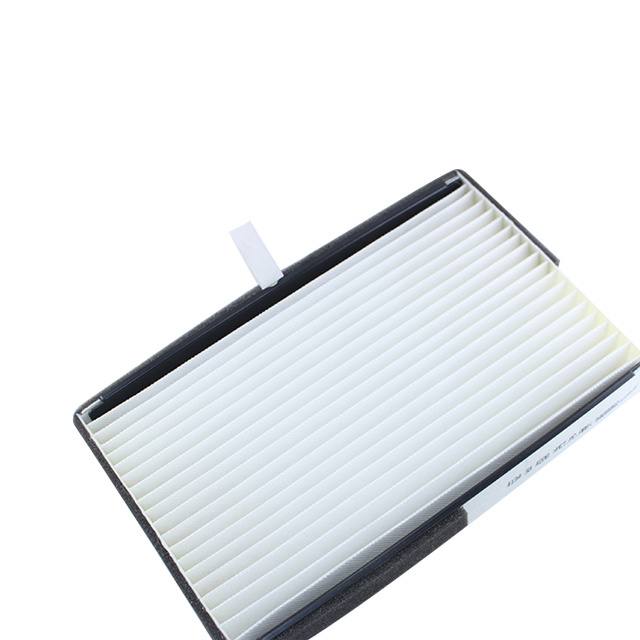
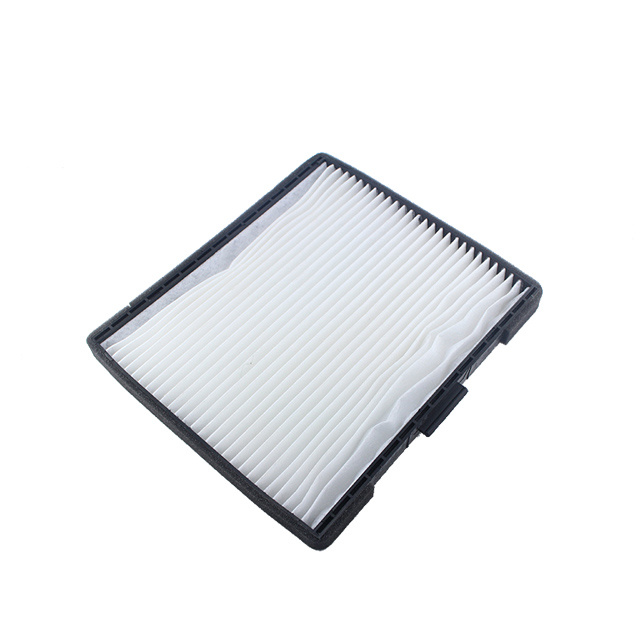
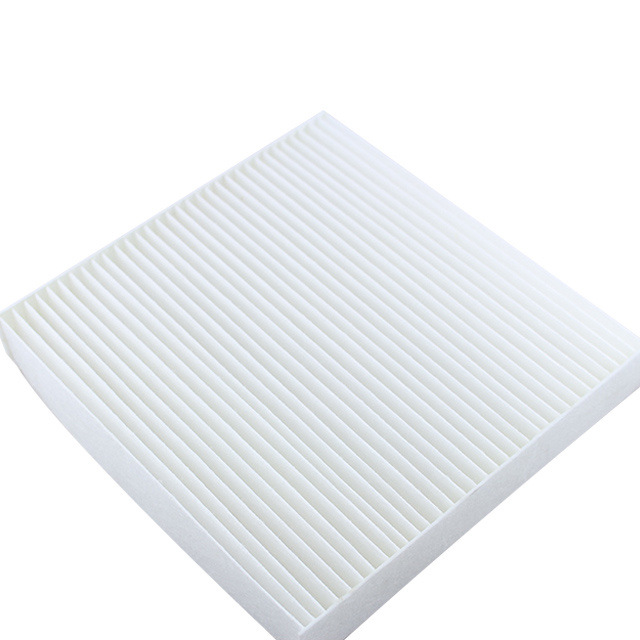
Contact Info
E-mail: txgs@taixifilter.com
Manager Xu: +86-15097925576
Manager Feng: +86-15803195413
Address: North side of Caiyuan Village, Gexianzhuang Town, Qinghe County, Xingtai City, Hebei Province (No. 250)
Common Signs of a Clogged Central AC Unit Filter: How to Identify and Resolve the Issue
Release Time:
Dec 16,2023
Table of Contents: 1. Introduction: The Importance of a Well-Maintained Central AC Unit 2. Understanding the Central AC Unit Filter 3. Common Signs of a Clogged AC Unit Filter 3.1 Reduced Airflow 3.2 Uneven Cooling 3.3 Increased Energy Consumption 3.4 Strange Noises 3.5 Frequent Allergies or Respiratory Issues 4. How to Confirm a Clogged AC Unit Filter 5. Steps to Resolve the I
1. Introduction: The Importance of a Well-Maintained Central AC Unit
2. Understanding the Central AC Unit Filter
3. Common Signs of a Clogged AC Unit Filter
3.1 Reduced Airflow
3.2 Uneven Cooling
3.3 Increased Energy Consumption
3.4 Strange Noises
3.5 Frequent Allergies or Respiratory Issues
4. How to Confirm a Clogged AC Unit Filter
5. Steps to Resolve the Issue
5.1 Turn off the AC Unit
5.2 Locate and Access the Filter
5.3 Inspect and Clean or Replace the Filter
5.4 Restart the AC Unit and Monitor Performance
6. FAQs
6.1 How often should I clean or replace my AC unit filter?
6.2 Can I use any type of filter for my central AC unit?
6.3 What are the consequences of neglecting a clogged filter?
6.4 How can I improve the lifespan of my AC unit filter?
6.5 Is it possible to prevent filter clogging altogether?
7. Conclusion: Ensuring the Longevity of Your Central AC Unit
1. Introduction: The Importance of a Well-Maintained Central AC Unit
A central AC unit plays a vital role in keeping your indoor environment comfortable, especially during the hot summer months. To ensure its optimal performance, regular maintenance is crucial. One of the most critical maintenance tasks is taking care of the AC unit filter. A clean and unclogged filter allows proper airflow, enhances energy efficiency, and helps maintain a healthy indoor air quality.
2. Understanding the Central AC Unit Filter
The central AC unit filter acts as the first line of defense against dust, dirt, pollen, and other airborne particles. It prevents these contaminants from circulating through the system and entering your living space. Over time, the filter accumulates debris, which can lead to clogging and reduced performance.
3. Common Signs of a Clogged AC Unit Filter
3.1 Reduced Airflow
A significant drop in airflow from your AC vents is one of the primary indicators of a clogged filter. If you notice weak or minimal airflow, even when the AC unit is running at full capacity, it is likely that the filter needs immediate attention.
3.2 Uneven Cooling
Uneven cooling throughout your home can be another sign of a clogged filter. When the filter is clogged, it restricts the airflow, causing certain areas to receive less cool air. You may notice temperature variations between different rooms or levels of your house.
3.3 Increased Energy Consumption
A clogged filter forces the AC unit to work harder to maintain the desired temperature, leading to increased energy consumption. If you notice a sudden spike in your electricity bills, it could be an indication of a clogged filter that is straining the system.
3.4 Strange Noises
A clogged filter can cause unusual sounds coming from your AC unit. These sounds may include rattling, whistling, or banging noises. The restricted airflow causes the system to work harder, resulting in strain on various components and potentially causing mechanical issues.
3.5 Frequent Allergies or Respiratory Issues
If you or your family members experience frequent allergies or respiratory issues when the AC unit is running, a clogged filter could be the culprit. A clogged filter fails to effectively trap allergens, allowing them to circulate freely in your home and exacerbating allergies or respiratory conditions.
4. How to Confirm a Clogged AC Unit Filter
To confirm whether your AC unit filter is clogged, you can visually inspect it. Open the filter access panel and check for visible dirt or debris accumulation. If the filter appears dirty and obstructed, it is essential to proceed with cleaning or replacing it.
5. Steps to Resolve the Issue
5.1 Turn off the AC Unit
Before attempting any maintenance tasks, turn off the AC unit to ensure your safety and prevent any damage to the system.
5.2 Locate and Access the Filter
Refer to your AC unit's manual to locate the filter. In most central AC systems, the filter can be found behind the return air grille or within the air handler unit. Access the filter by removing the necessary panels or covers.
5.3 Inspect and Clean or Replace the Filter
Inspect the filter for dirt, dust, and debris. If the filter is washable, carefully clean it according to the manufacturer's instructions. If it is a disposable filter, replace it with a new one of the same size and type.
5.4 Restart the AC Unit and Monitor Performance
After cleaning or replacing the filter, ensure it is properly installed and secured. Turn on the AC unit and monitor its performance. You should notice improved airflow and cooling throughout your home.
6. FAQs
6.1 How often should I clean or replace my AC unit filter?
The frequency of cleaning or replacing your AC unit filter depends on several factors, such as the filter type, indoor air quality, and usage. As a general guideline, it is recommended to clean or replace the filter every 1-3 months.
6.2 Can I use any type of filter for my central AC unit?
It is crucial to use the filter recommended by the AC unit manufacturer. Using the wrong type of filter can compromise the system's performance and potentially cause damage.
6.3 What are the consequences of neglecting a clogged filter?
Neglecting a clogged filter can lead to various issues, including reduced cooling efficiency, increased energy consumption, strain on the AC unit components, and poor indoor air quality.
6.4 How can I improve the lifespan of my AC unit filter?
Regularly cleaning or replacing the filter, ensuring proper installation, and scheduling professional maintenance for your AC unit can significantly improve the lifespan of the filter and the overall system.
6.5 Is it possible to prevent filter clogging altogether?
While it is not possible to completely prevent filter clogging, regular maintenance and cleaning can minimize the frequency and severity of clogs. Additionally, using high-quality filters and keeping the surrounding area clean can help reduce debris accumulation.
7. Conclusion: Ensuring the Longevity of Your Central AC Unit
Regularly monitoring and maintaining your central AC unit filter is essential for optimal performance and energy efficiency. By recognizing the common signs of a clogged filter and taking prompt action, you can prevent potential issues, improve indoor air quality, and ensure the longevity of your AC system. Remember to clean or replace the filter as recommended and schedule professional maintenance to keep your central AC unit running smoothly for years to come.
Key words:

* Please Enter Keywords
The company is mainly engaged in the manufacture and sale of auto parts and accessories in the automobile manufacturing industry, the manufacture and sale of automobile rubber products, and the import and export of auto parts.