

 Esperanto
 Shqiptare
 Euskara
 Zulu
Zulu
 Latinus
 Cymraeg
 தமிழ்
தமிழ்
 Slovak
 Slovak
 Afrikaans
Focus On Hot Spots
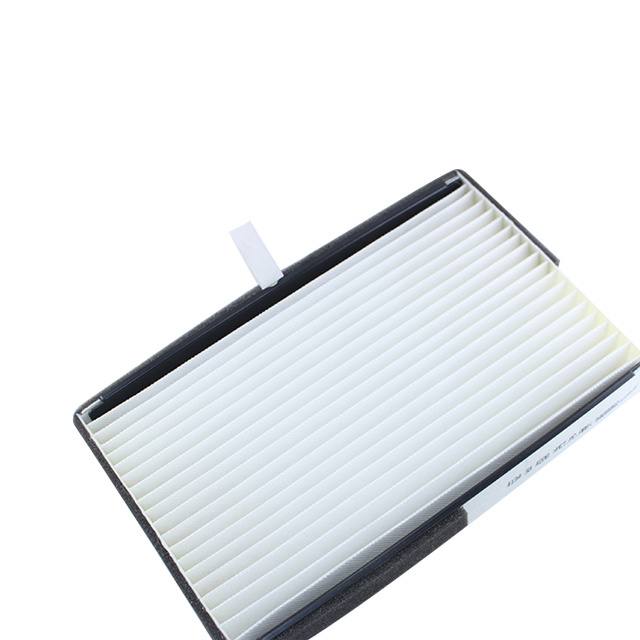
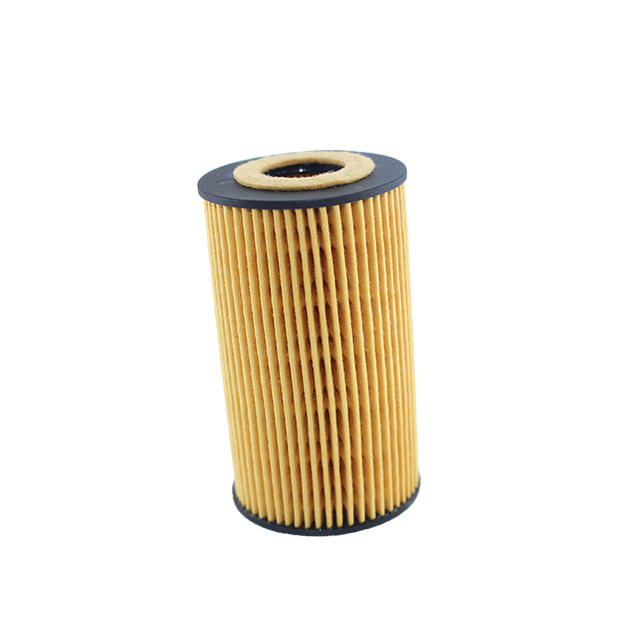
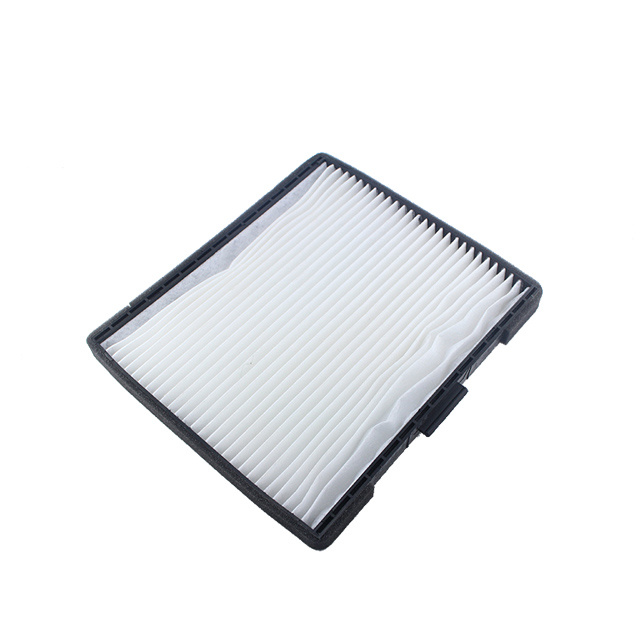
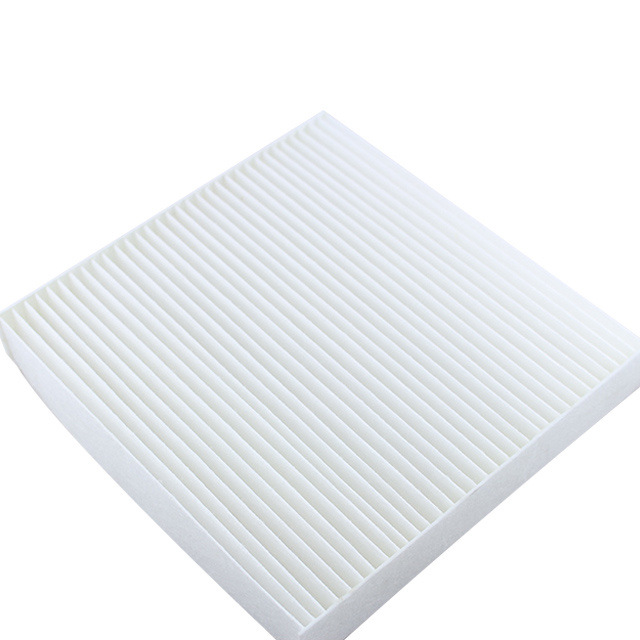
Contact Info
E-mail: txgs@taixifilter.com
Manager Xu: +86-15097925576
Manager Feng: +86-15803195413
Address: North side of Caiyuan Village, Gexianzhuang Town, Qinghe County, Xingtai City, Hebei Province (No. 250)
How Often Should You Replace Your Central AC Unit Filter?
Release Time:
Dec 18,2023
Table of Contents: 1. Introduction: The Importance of a Clean AC Filter 2. Understanding the Function of an AC Unit Filter 3. Factors Influencing Filter Lifespan 3.1. Environmental Factors 3.2. Usage and Air Quality 4. Signs That Your AC Filter Needs Replacement 4.1. Decreased Airflow 4.2. Increased Energy Consumption 4.3. Allergy Symptoms 5. Recommended Replacement Schedule 5.1.
1. Introduction: The Importance of a Clean AC Filter
2. Understanding the Function of an AC Unit Filter
3. Factors Influencing Filter Lifespan
3.1. Environmental Factors
3.2. Usage and Air Quality
4. Signs That Your AC Filter Needs Replacement
4.1. Decreased Airflow
4.2. Increased Energy Consumption
4.3. Allergy Symptoms
5. Recommended Replacement Schedule
5.1. General Guidelines
5.2. Specific Recommendations for Different Filter Types
6. Benefits of Regular Filter Maintenance
6.1. Improved Air Quality
6.2. Enhanced Energy Efficiency
6.3. Extended Lifespan of AC Unit
7. Frequently Asked Questions
7.1. How often should I check my AC filter?
7.2. Can I clean and reuse my AC filter?
7.3. What happens if I don't replace my AC filter regularly?
7.4. How do I choose the right AC filter for my unit?
7.5. Can a dirty AC filter affect my health?
8. Conclusion: Prioritize Regular AC Filter Replacement for Optimal Performance
1. Introduction: The Importance of a Clean AC Filter
Maintaining clean and efficient indoor air circulation is crucial for the comfort and well-being of your household. A central AC unit plays a significant role in achieving this, and the filter acts as the first line of defense against airborne contaminants. In this article, we will discuss the recommended frequency for replacing your central AC unit filter and the benefits of regular maintenance.
2. Understanding the Function of an AC Unit Filter
The primary function of an AC unit filter is to trap dust, pollen, pet dander, and other particles that can compromise indoor air quality. When the filter becomes clogged, it restricts airflow and reduces the unit's ability to filter out these contaminants effectively. This can result in reduced cooling efficiency, increased energy consumption, and potential damage to the AC system.
3. Factors Influencing Filter Lifespan
3.1. Environmental Factors
The environment in which your AC unit operates plays a significant role in determining how often you should replace the filter. If you live in an area with high levels of airborne pollutants, such as dust or pollen, your filter may become clogged more quickly. Additionally, factors like construction or renovation work nearby can introduce larger particles into the air, further reducing the filter's lifespan.
3.2. Usage and Air Quality
The frequency of AC unit usage and the overall air quality within your home can also impact how often you should replace the filter. Homes with pets or smokers, for example, may require more frequent filter replacements due to the increased presence of pet hair or tobacco smoke. Similarly, if your AC unit runs continuously or if you frequently keep windows and doors open, the filter may accumulate debris faster.
4. Signs That Your AC Filter Needs Replacement
4.1. Decreased Airflow
One of the most noticeable signs that your AC filter needs replacement is a decrease in airflow from the vents. If you notice weak or uneven airflow throughout your home, it is likely that the filter is clogged and hindering proper air circulation.
4.2. Increased Energy Consumption
A dirty filter forces your AC unit to work harder to push air through, resulting in increased energy consumption. If you observe a sudden spike in your energy bills without any other apparent causes, it may be time to replace your filter.
4.3. Allergy Symptoms
If you or your family members experience allergy symptoms such as sneezing, coughing, or itchy eyes, it could be a sign that your filter is not effectively removing allergens from the air. Replacing the filter can help alleviate these symptoms and improve indoor air quality.
5. Recommended Replacement Schedule
5.1. General Guidelines
As a general rule, it is recommended to replace your central AC unit filter every 30-90 days. However, this timeframe can vary based on the factors mentioned earlier. It is crucial to be mindful of your specific circumstances and adjust the replacement schedule accordingly.
5.2. Specific Recommendations for Different Filter Types
Different filter types have varying lifespans and efficiency levels. Here are some specific recommendations:
- Fiberglass filters: These filters are typically the least expensive and have a lifespan of approximately 30 days.
- Pleated filters: Offering better filtration, pleated filters can last around 60-90 days before replacement is necessary.
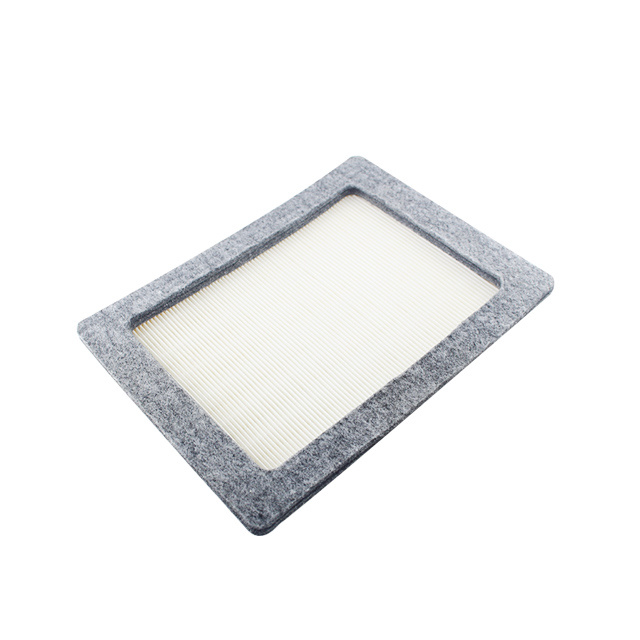
- HEPA filters: Designed to capture even the smallest particles, HEPA filters can last up to six months, depending on factors like air quality and usage.
6. Benefits of Regular Filter Maintenance
6.1. Improved Air Quality
Regularly replacing your AC filter helps to maintain optimal indoor air quality by removing allergens, dust, and other pollutants that can trigger respiratory issues. This is especially important for individuals with asthma or allergies.
6.2. Enhanced Energy Efficiency
A clean filter allows air to flow freely, reducing strain on the AC unit's fan and minimizing energy consumption. By replacing the filter regularly, you can improve the energy efficiency of your central AC system, resulting in lower utility bills.
6.3. Extended Lifespan of AC Unit
Proper maintenance, including regular filter replacement, can prolong the lifespan of your central AC unit. By preventing dust and debris from accumulating on vital components, you reduce the risk of breakdowns and costly repairs.
7. Frequently Asked Questions
7.1. How often should I check my AC filter?
It is advisable to check your AC filter at least once a month, particularly during peak usage periods such as summer or if you have pets or allergies. This will help you identify when a replacement is necessary.
7.2. Can I clean and reuse my AC filter?
While some filters may be labeled as washable or reusable, it is generally recommended to replace disposable filters rather than attempting to clean them. Washing certain types of filters can diminish their effectiveness and potentially damage the filter material.
7.3. What happens if I don't replace my AC filter regularly?
Neglecting to replace your AC filter regularly can lead to reduced airflow, decreased cooling efficiency, and increased energy consumption. It can also put additional strain on the AC system, potentially resulting in costly repairs or even system failure.
7.4. How do I choose the right AC filter for my unit?
When selecting an AC filter, consider factors such as filter efficiency, MERV rating (Minimum Efficiency Reporting Value), and compatibility with your unit. Consulting with a professional or referring to your unit's manual can help you choose the appropriate filter for your specific needs.
7.5. Can a dirty AC filter affect my health?
Yes, a dirty AC filter can have a negative impact on your health, particularly if you have allergies or respiratory conditions. It can allow allergens, dust, and other irritants to circulate in the air, potentially triggering or exacerbating symptoms.
8. Conclusion: Prioritize Regular AC Filter Replacement for Optimal Performance
Regularly replacing your central AC unit filter is crucial for maintaining optimal performance, energy efficiency, and indoor air quality. By understanding the factors that influence the replacement schedule and the benefits of regular maintenance, you can ensure a comfortable and healthy indoor environment for you and your family. Take proactive steps to prioritize filter replacement based on your specific needs and enjoy the benefits of a clean and efficient central AC system.
Key words:

* Please Enter Keywords
The company is mainly engaged in the manufacture and sale of auto parts and accessories in the automobile manufacturing industry, the manufacture and sale of automobile rubber products, and the import and export of auto parts.