

 Esperanto
 Shqiptare
 Euskara
 Zulu
Zulu
 Latinus
 Cymraeg
 தமிழ்
தமிழ்
 Slovak
 Slovak
 Afrikaans
Focus On Hot Spots
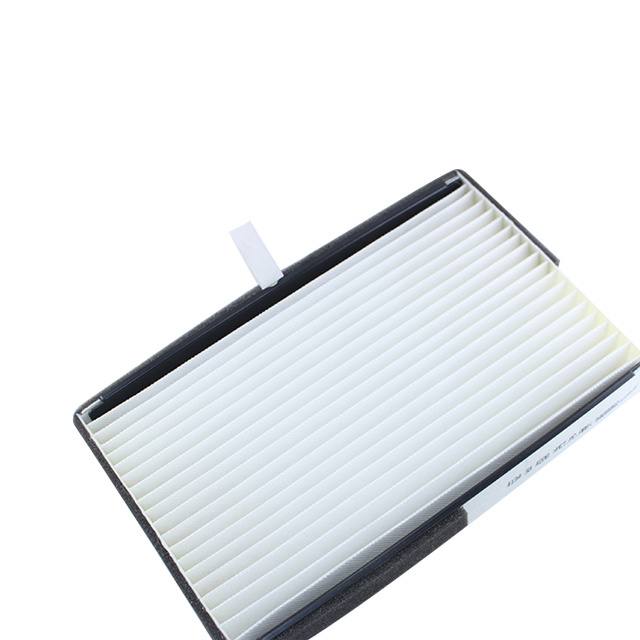
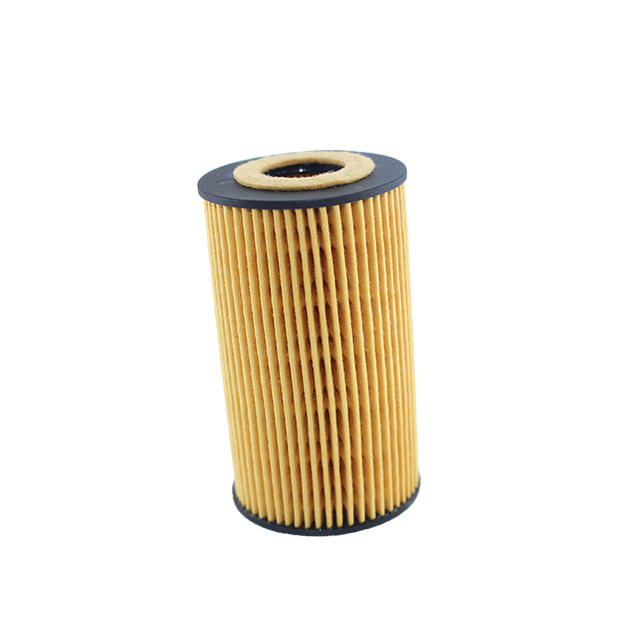
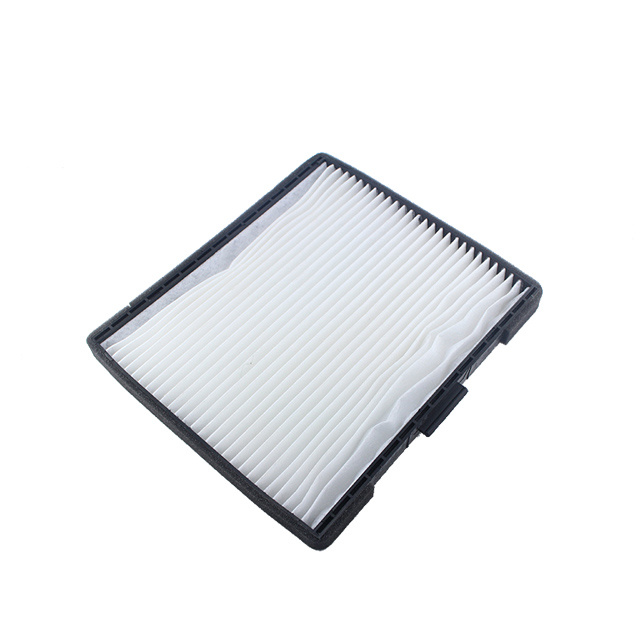
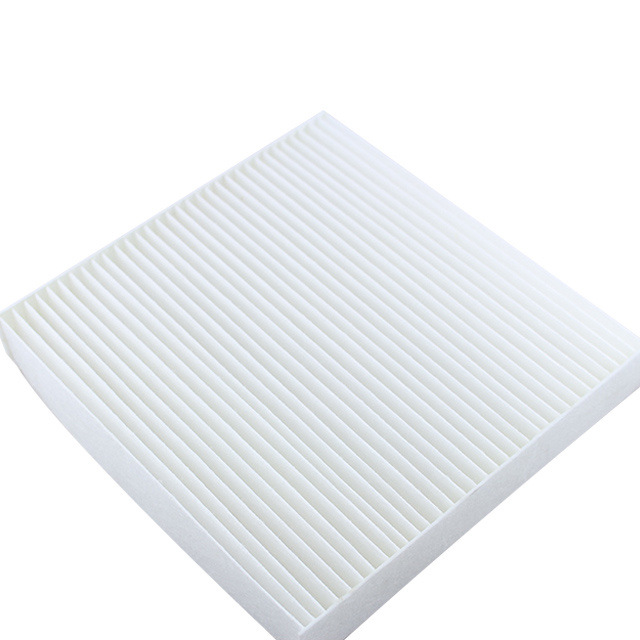

Contact Info
E-mail: txgs@taixifilter.com
Manager Xu: +86-15097925576
Manager Feng: +86-15803195413
Address: North side of Caiyuan Village, Gexianzhuang Town, Qinghe County, Xingtai City, Hebei Province (No. 250)
All You Need to Know About Air Conditioner Air Filters in Industrial Equipment
Release Time:
Dec 21,2023
Air Conditioner Air Filters: An Overview Air conditioner air filters are essential components in the filtration systems of industrial equipment. They are designed to capture airborne particles, dust, pollutants, and allergens from the air, ensuring the circulation of clean and fresh air within the environment. These filters prevent the accumulation of contaminants in the air conditioning system, e
Air conditioner air filters are essential components in the filtration systems of industrial equipment. They are designed to capture airborne particles, dust, pollutants, and allergens from the air, ensuring the circulation of clean and fresh air within the environment. These filters prevent the accumulation of contaminants in the air conditioning system, enhancing its efficiency and lifespan.
The Importance of Air Filters in Industrial Equipment
1. Improved Air Quality:
Air filters effectively remove dust, pollen, mold spores, and other particles, ensuring that the air circulated by the industrial equipment remains clean. This is particularly important in industries where high air quality standards are required, such as pharmaceutical manufacturing and cleanrooms.
2. Enhanced Equipment Performance:
Clean air filters allow the air conditioning system to operate at its optimal performance levels. By preventing the buildup of debris and pollutants, filters help maintain proper airflow, temperature regulation, and humidity control. This ultimately leads to improved energy efficiency and reduced maintenance costs.
3. Employee Health and Comfort:
Industrial environments often expose workers to various airborne contaminants. Air filters play a crucial role in removing these contaminants, promoting a healthier and more comfortable workplace. Clean air reduces the risk of respiratory issues and allergies, ensuring the well-being and productivity of employees.
Types of Air Conditioner Air Filters
1. Fiberglass Filters:
Fiberglass filters are the most common and economical option. They consist of layered fiberglass fibers that capture larger particles effectively. However, they may have limited efficiency in capturing smaller particles and require frequent replacement.
2. Pleated Filters:
Pleated filters offer a larger surface area than fiberglass filters, allowing for better filtration efficiency. They are constructed with pleated polyester or cotton materials, capable of capturing a wider range of particles. Pleated filters typically have a longer lifespan but are comparatively more expensive.
3. High-Efficiency Particulate Air (HEPA) Filters:
HEPA filters are the most efficient option, capable of capturing up to 99.97% of particles as small as 0.3 microns. These filters are commonly used in industries that require extremely clean air, such as healthcare facilities and research laboratories. HEPA filters are more expensive but offer superior air filtration.
Regular Maintenance and Replacement
To ensure the effectiveness of air filters, regular maintenance is necessary. Filters should be inspected regularly and cleaned or replaced as needed. The frequency of replacement depends on factors such as the industrial environment, filter type, and usage. Following the manufacturer's guidelines and industry standards is essential to maintain optimal air quality and equipment performance.
Conclusion
Air conditioner air filters are indispensable components in industrial equipment, providing clean and healthy indoor air quality. Understanding the significance of air filters and choosing the appropriate type for specific industrial needs is crucial. By maintaining and replacing filters as required, businesses can ensure the longevity, efficiency, and well-being of their industrial equipment and employees.
Key words:

* Please Enter Keywords
The company is mainly engaged in the manufacture and sale of auto parts and accessories in the automobile manufacturing industry, the manufacture and sale of automobile rubber products, and the import and export of auto parts.