

 Esperanto
 Shqiptare
 Euskara
 Zulu
Zulu
 Latinus
 Cymraeg
 தமிழ்
தமிழ்
 Slovak
 Slovak
 Afrikaans
Focus On Hot Spots
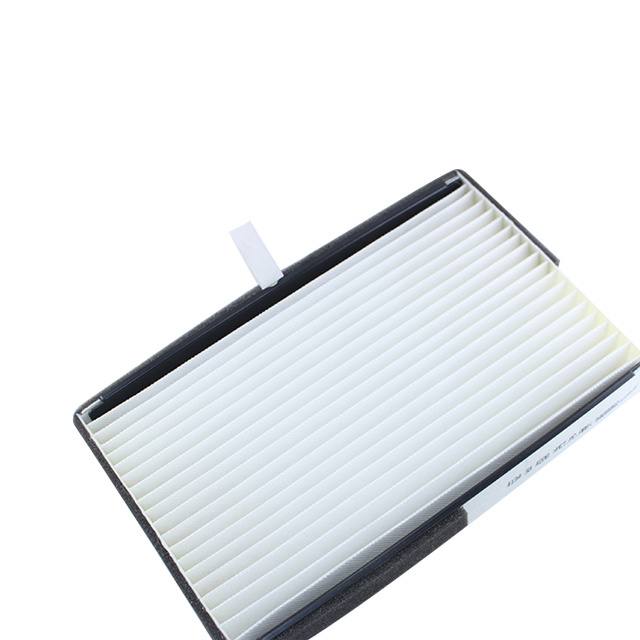
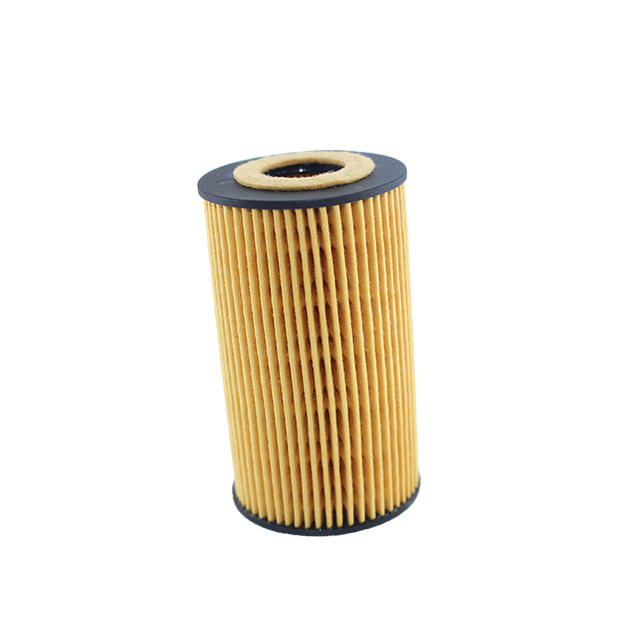
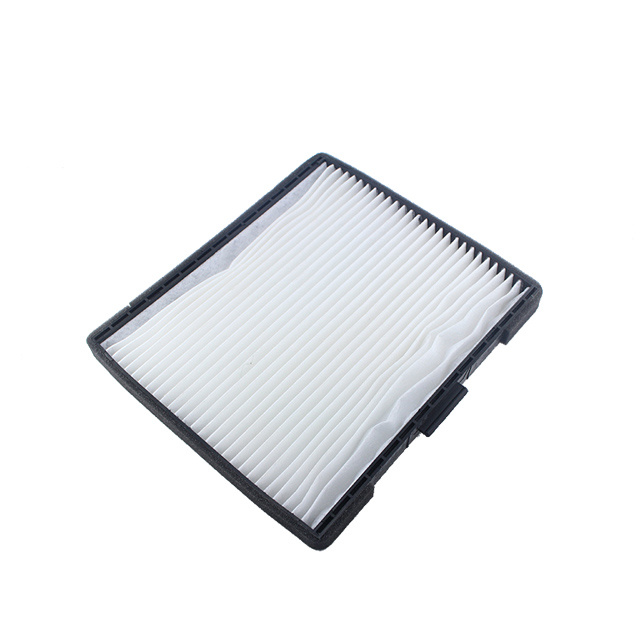
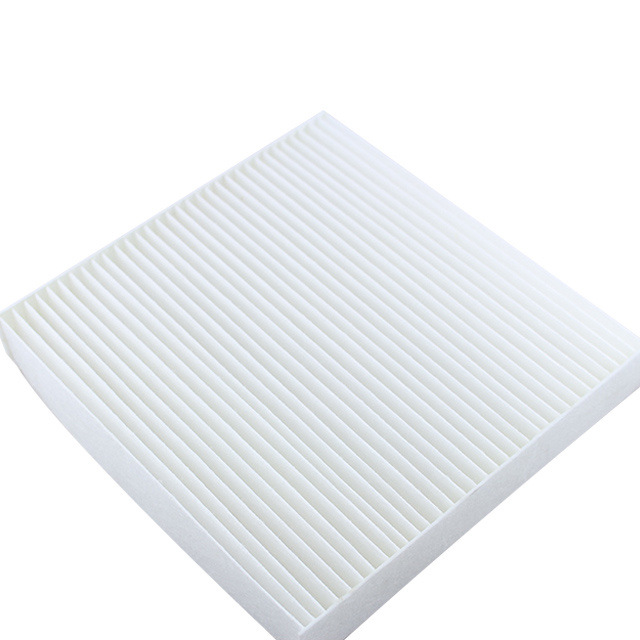

Contact Info
E-mail: txgs@taixifilter.com
Manager Xu: +86-15097925576
Manager Feng: +86-15803195413
Address: North side of Caiyuan Village, Gexianzhuang Town, Qinghe County, Xingtai City, Hebei Province (No. 250)
Understanding the Importance of Filters in Central Air Units
Release Time:
Dec 21,2023
Title: The Crucial Role of Filters in Central Air Units Introduction: In the realm of industrial equipment and components, filters play a pivotal role in maintaining the performance and efficiency of central air units. This article explores the significance of filters in these units, shedding light on their importance and providing valuable technical insights. Discover how filters contribute to en
Introduction:
In the realm of industrial equipment and components, filters play a pivotal role in maintaining the performance and efficiency of central air units. This article explores the significance of filters in these units, shedding light on their importance and providing valuable technical insights. Discover how filters contribute to enhanced air quality, improved system functionality, and prolonged equipment lifespan.
Filters are an essential component of central air units, effectively capturing airborne particles and contaminants. By removing pollutants, such as dust, allergens, and pollutants, filters not only enhance the quality of the circulated air but also protect the internal components of the unit. As a result, filters contribute to maintaining a clean and healthy environment while ensuring the optimal operation of the central air unit.
1. The Benefits of High-Quality Filters
High-quality filters are crucial for the efficient functioning of central air units. They offer several benefits, such as:
- Improved Air Quality: Filters effectively trap airborne particles, including dust, pollen, and pet dander, resulting in cleaner and healthier air.
- Enhanced System Performance: By preventing the accumulation of dirt and debris on the internal components, filters help maintain the unit's efficiency and performance.
- Energy Efficiency: Clean filters reduce airflow resistance, allowing the central air unit to operate with less strain, leading to energy savings and lower utility bills.
2. Types of Filters Used in Central Air Units
Multiple types of filters are commonly used in central air units, including:
- Fiberglass Filters: These cost-effective filters are composed of layered fiberglass fibers and are suitable for capturing larger particles. However, they provide limited protection against smaller pollutants.
- Pleated Filters: With a larger surface area, pleated filters offer improved filtration efficiency and are capable of trapping a broader range of particles, including smaller allergens.
- High-Efficiency Particulate Air (HEPA) Filters: HEPA filters are highly efficient in capturing microscopic particles, making them an ideal choice for individuals with allergies or respiratory conditions. However, they may require more frequent replacements due to their high filtration capacity.
3. Maintenance and Replacement of Filters
Regular maintenance and timely replacement of filters are crucial for ensuring optimal performance. Here are some key aspects to consider:
- Filter Inspection: Regularly inspect filters for dirt, damage, or clogs, and clean or replace them as necessary.
- Replacement Frequency: The frequency of filter replacement depends on various factors, including the type of filter, the level of air pollution, and the manufacturer's recommendations. Generally, filters should be replaced every three to six months.
- Professional Maintenance: Engaging a professional technician for regular maintenance of the central air unit can help identify potential issues and ensure that filters are correctly installed and functioning optimally.
Conclusion:
Filters are of utmost importance in central air units within the industrial equipment and components sector. By understanding their significance and implementing proper maintenance practices, professionals can ensure clean and healthy air quality, enhanced system functionality, and prolonged equipment lifespan. Investing in high-quality filters and adhering to regular maintenance routines contribute to the overall efficiency of central air units, benefiting both the industry and its occupants.
Key words:

* Please Enter Keywords
The company is mainly engaged in the manufacture and sale of auto parts and accessories in the automobile manufacturing industry, the manufacture and sale of automobile rubber products, and the import and export of auto parts.