

 Esperanto
 Shqiptare
 Euskara
 Zulu
Zulu
 Latinus
 Cymraeg
 தமிழ்
தமிழ்
 Slovak
 Slovak
 Afrikaans
Focus On Hot Spots
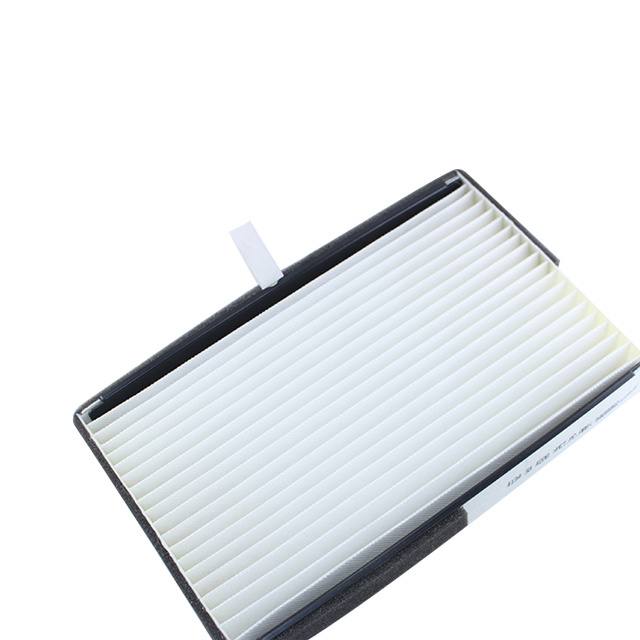
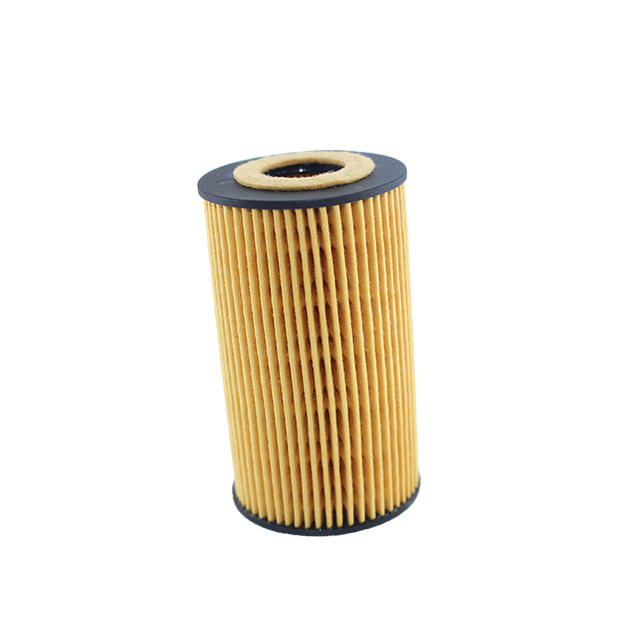
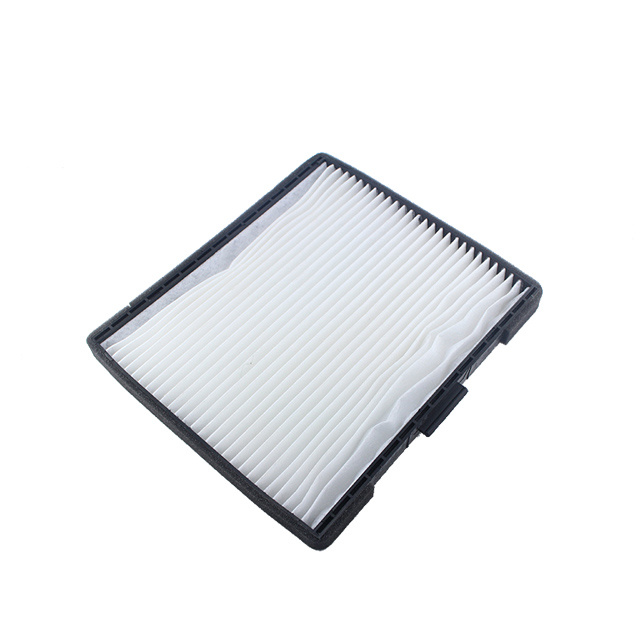
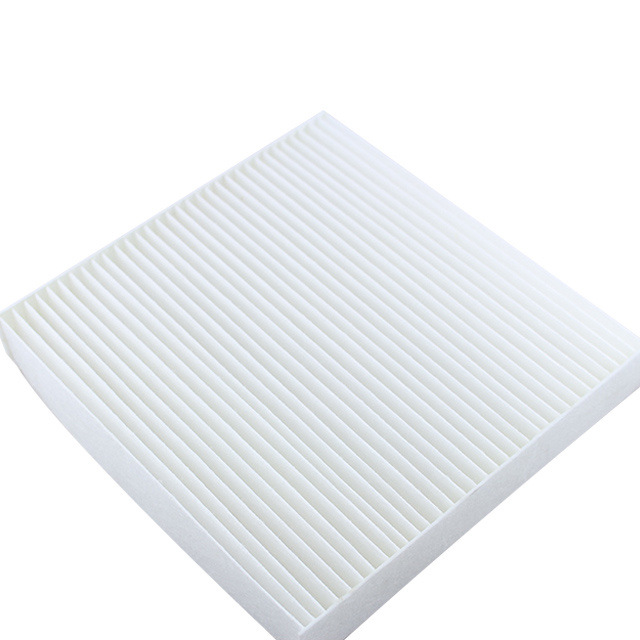
Contact Info
E-mail: txgs@taixifilter.com
Manager Xu: +86-15097925576
Manager Feng: +86-15803195413
Address: North side of Caiyuan Village, Gexianzhuang Town, Qinghe County, Xingtai City, Hebei Province (No. 250)
Understanding Different Types of Filters for Central Air Units: A Comprehensive Guide to Choosing the Right Filter for Your HVAC System
Release Time:
Dec 22,2023
Table of Contents: 1. Introduction: Importance of Air Filters for Central Air Units 2. Fiberglass Filters: Affordable and Basic 3. Pleated Filters: Enhanced Filtration Efficiency 4. Electrostatic Filters: Capturing Even the Smallest Particles 5. HEPA Filters: High-Efficiency Particulate Air Filtration 6. UV Filters: Combating Bacteria and Mold 7. Carbon Filters: Eliminating Odors and VOCs 8. Washa
1. Introduction: Importance of Air Filters for Central Air Units
2. Fiberglass Filters: Affordable and Basic
3. Pleated Filters: Enhanced Filtration Efficiency
4. Electrostatic Filters: Capturing Even the Smallest Particles
5. HEPA Filters: High-Efficiency Particulate Air Filtration
6. UV Filters: Combating Bacteria and Mold
7. Carbon Filters: Eliminating Odors and VOCs
8. Washable Filters: Reusable and Eco-Friendly Option
9. Common FAQs about Filters for Central Air Units
10. Conclusion
Introduction: Importance of Air Filters for Central Air Units
When it comes to maintaining a clean and healthy environment in our homes or offices, the role of air filters for central air units cannot be overstated. These filters act as the first line of defense against airborne pollutants, allergens, and other contaminants, ensuring that the air we breathe is fresh and free from harmful particles.
Fiberglass Filters: Affordable and Basic
Fiberglass filters are the most common and affordable option available for central air units. They consist of a thin fiberglass mesh that captures larger particles effectively. While they may not be as efficient in removing smaller particles or allergens, they still play a crucial role in maintaining the overall air quality. These filters are easy to replace and are suitable for those on a tight budget.
Pleated Filters: Enhanced Filtration Efficiency
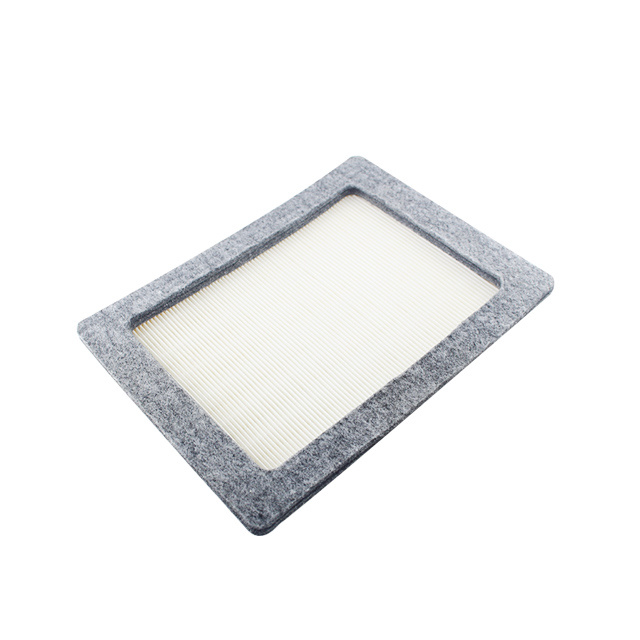
Pleated filters offer improved filtration efficiency compared to fiberglass filters. These filters feature pleats, which increase the surface area available for capturing particles. The pleats also allow for better airflow, ensuring that your HVAC system operates smoothly. Pleated filters are available in various levels of filtration, making them suitable for individuals with specific air quality needs.
Electrostatic Filters: Capturing Even the Smallest Particles
Electrostatic filters utilize an electrostatic charge to attract and capture particles. These filters are highly effective in trapping smaller particles, including dust, pet dander, and pollen. They are available in both disposable and washable options, offering flexibility and convenience. Electrostatic filters are a great choice for individuals with allergies or respiratory conditions, as they provide superior air purification.
HEPA Filters: High-Efficiency Particulate Air Filtration
HEPA filters are renowned for their exceptional filtration capabilities. These filters are capable of capturing up to 99.97% of particles as small as 0.3 microns, including bacteria, viruses, and mold spores. HEPA filters are commonly used in medical facilities and environments where a high level of air purity is required. While they offer unparalleled filtration, it's important to note that HEPA filters can place additional strain on your HVAC system due to their dense construction.
UV Filters: Combating Bacteria and Mold
UV filters, also known as ultraviolet germicidal irradiation filters, utilize UV-C light to kill or deactivate bacteria, viruses, and mold. These filters are installed within the HVAC system, sterilizing the air as it passes through. UV filters are particularly effective in preventing the spread of airborne diseases and maintaining a healthy indoor environment. However, they do not capture particulate matter, so it's recommended to use them in conjunction with other filters for comprehensive air purification.
Carbon Filters: Eliminating Odors and VOCs
Carbon filters are designed to remove odors, volatile organic compounds (VOCs), and other gaseous pollutants from the air. These filters contain activated carbon, which has a large surface area for adsorbing and trapping odorous molecules. Carbon filters are commonly used in environments where strong odors or chemicals are present, such as commercial kitchens or laboratories. They are not as effective in capturing particulate matter and may require regular replacement to maintain their efficacy.
Washable Filters: Reusable and Eco-Friendly Option
Washable filters offer an eco-friendly alternative to disposable filters. These filters can be easily washed and reused, reducing waste and saving money in the long run. However, it's important to note that washable filters may not provide the same level of filtration efficiency as disposable filters. Regular cleaning is essential to prevent the accumulation of particles and maintain the effectiveness of the filter.
Common FAQs about Filters for Central Air Units
1. How often should I replace my air filter?
Regular filter replacement is recommended every 1 to 3 months, depending on factors such as air quality, filter type, and usage.
2. Can I use a higher MERV-rated filter in my HVAC system?
While higher MERV-rated filters offer superior filtration, they can also restrict airflow. It's important to consult the manufacturer's guidelines and ensure your HVAC system can handle the increased resistance.
3. Can I upgrade my existing filter to a different type?
In most cases, it is possible to upgrade your filter to a different type. However, it's important to consider the compatibility with your HVAC system and consult an HVAC professional if needed.
4. Are expensive filters always better?
Expensive filters may offer advanced features or higher filtration efficiency, but they may not always be necessary for every environment. Assess your air quality needs and choose a filter that suits your specific requirements.
5. How can I improve the lifespan of my air filter?
Regular maintenance, such as cleaning or replacing filters as recommended, can extend the lifespan of your air filter. Additionally, keeping your HVAC system clean and free from debris can help optimize filter performance.
Conclusion
In conclusion, selecting the right filter for your central air unit is crucial in ensuring optimal indoor air quality and system performance. By understanding the different types of filters available, their unique features, and your specific air quality needs, you can make an informed decision that promotes a healthy and comfortable environment. Remember to regularly maintain and replace your filters as recommended to maximize their effectiveness. Choose a filter that suits your requirements, and enjoy the benefits of clean and fresh air for years to come.
Key words:

* Please Enter Keywords
The company is mainly engaged in the manufacture and sale of auto parts and accessories in the automobile manufacturing industry, the manufacture and sale of automobile rubber products, and the import and export of auto parts.