

 Esperanto
 Shqiptare
 Euskara
 Zulu
Zulu
 Latinus
 Cymraeg
 தமிழ்
தமிழ்
 Slovak
 Slovak
 Afrikaans
Focus On Hot Spots

Contact Info
E-mail: txgs@taixifilter.com
Manager Xu: +86-15097925576
Manager Feng: +86-15803195413
Address: North side of Caiyuan Village, Gexianzhuang Town, Qinghe County, Xingtai City, Hebei Province (No. 250)
The Importance of Filters in Central Air Units: A Guide to Industrial Filtration Equipment
Release Time:
Dec 22,2023
Filters play a crucial role in central air units, particularly in the realm of industrial equipment and components. As an essential part of filtration devices, filters help eliminate impurities, improve air quality, and maintain the efficiency of various industrial processes. In this guide, we will delve into the importance of filters in central air units, focusing on the context of industrial fil
Why are filters important in central air units?
Filters serve as the first line of defense against airborne particles, ensuring that clean air circulates throughout the system. In industrial settings, where equipment is exposed to high levels of dust, debris, and contaminants, the role of filters becomes even more critical. They prevent these harmful substances from entering the system and damaging sensitive components, ultimately extending the lifespan of the equipment.
Benefits of using filters in central air units:
1. Enhanced air quality: Filters trap dust, allergens, and other microscopic particles, promoting cleaner air within the industrial environment. This is particularly important for industries such as pharmaceuticals, food processing, and electronics, where air quality standards are stringent.
2. Improved equipment performance: By preventing the accumulation of dirt and debris, filters help maintain the optimal performance of industrial equipment. Unfiltered air can cause clogging, reduced efficiency, and even equipment failure. Regularly replacing or cleaning filters ensures consistent performance and minimizes downtime.
Types of filters used in central air units:
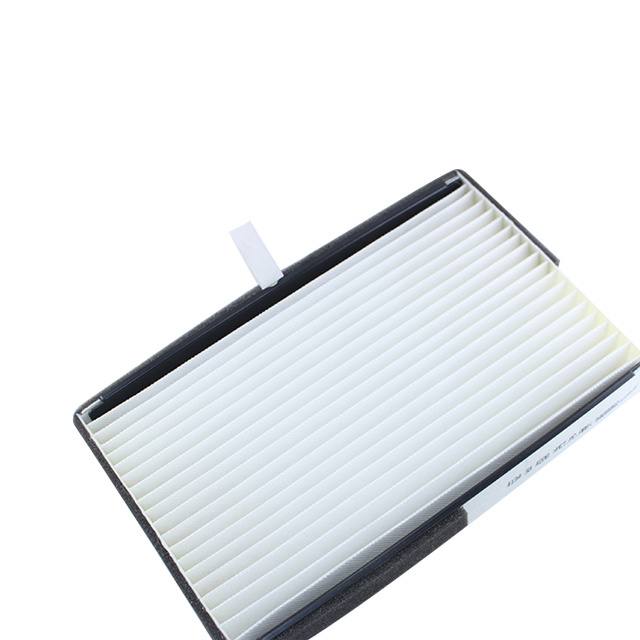
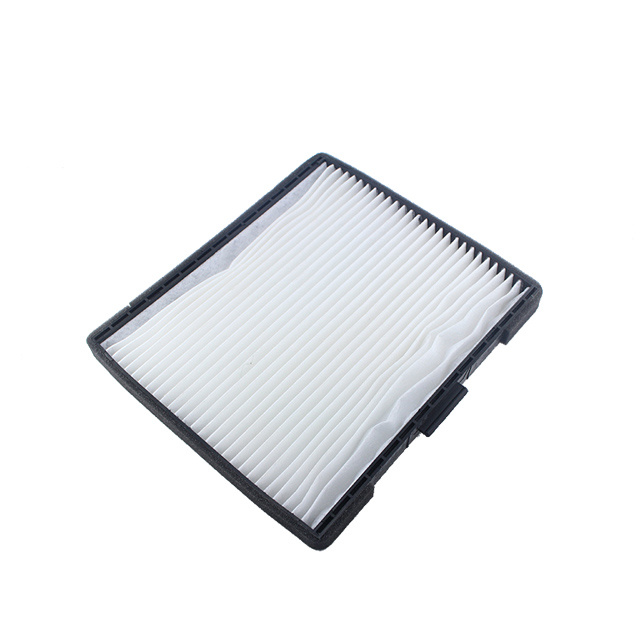
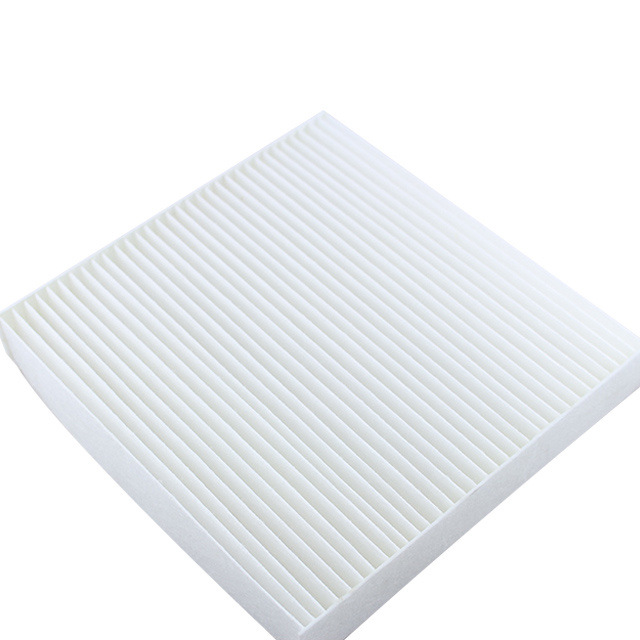
1. Mechanical filters: These filters rely on physical mechanisms, such as mesh screens or fibrous materials, to capture particles. They are effective for trapping larger particles but may have limited efficiency against smaller contaminants.
2. Electrostatic filters: Utilizing an electrostatic charge, these filters attract and capture particles. They are particularly useful for capturing smaller particles and improving overall air quality. However, they may require regular cleaning to maintain effectiveness.
3. Activated carbon filters: These filters contain activated carbon, which absorbs gases, odors, and some chemicals. They are often used in industries where odor control is crucial, such as wastewater treatment plants or chemical manufacturing facilities.
Maintaining filters for optimal performance:
To ensure filters continue to function effectively, regular maintenance is essential. This includes regular inspection, cleaning or replacement, and adherence to recommended maintenance schedules. By keeping filters clean and in good condition, industrial businesses can optimize their filtration systems' performance and reliability.
In summary, filters in central air units play a vital role in maintaining air quality, enhancing equipment performance, and prolonging the lifespan of industrial equipment. Understanding the various types of filters and their maintenance requirements is crucial for businesses operating in industries that rely on efficient filtration systems. By investing in high-quality filters and implementing proper maintenance practices, industrial businesses can reap the benefits of clean air and reliable equipment performance.
Key words:

* Please Enter Keywords
The company is mainly engaged in the manufacture and sale of auto parts and accessories in the automobile manufacturing industry, the manufacture and sale of automobile rubber products, and the import and export of auto parts.