

 Esperanto
 Shqiptare
 Euskara
 Zulu
Zulu
 Latinus
 Cymraeg
 தமிழ்
தமிழ்
 Slovak
 Slovak
 Afrikaans
Focus On Hot Spots
Contact Info
E-mail: txgs@taixifilter.com
Manager Xu: +86-15097925576
Manager Feng: +86-15803195413
Address: North side of Caiyuan Village, Gexianzhuang Town, Qinghe County, Xingtai City, Hebei Province (No. 250)
Key Factors to Consider When Buying Central Air Unit Filters
Release Time:
Dec 22,2023
Contents: 1. Introduction: The Importance of Quality Air Filters 2. Understanding MERV Ratings: Finding the Right Efficiency Level 3. Different Types of Air Filters: Which One Suits Your Needs? 4. Size and Compatibility: Ensuring a Proper Fit 5. Lifespan and Maintenance: Longevity Matters 6. Cost Considerations: Balancing Performance and Budget 7. Environmental Impact: Choose Filters with Sustaina
1. Introduction: The Importance of Quality Air Filters
2. Understanding MERV Ratings: Finding the Right Efficiency Level
3. Different Types of Air Filters: Which One Suits Your Needs?
4. Size and Compatibility: Ensuring a Proper Fit
5. Lifespan and Maintenance: Longevity Matters
6. Cost Considerations: Balancing Performance and Budget
7. Environmental Impact: Choose Filters with Sustainability in Mind
8. Frequently Asked Questions (FAQs)
9. Conclusion: Invest in Your Indoor Air Quality
1. Introduction: The Importance of Quality Air Filters
Clean and fresh air is crucial for maintaining a healthy living environment. When it comes to your central air unit, choosing the right filter plays a vital role in ensuring good indoor air quality. In this article, we will explore the key factors to consider when purchasing central air unit filters, guiding you towards making an informed decision.
2. Understanding MERV Ratings: Finding the Right Efficiency Level
MERV (Minimum Efficiency Reporting Value) ratings help determine the effectiveness of air filters. Ranging from 1 to 20, a higher MERV rating indicates a higher filtration efficiency. Consider your specific air quality needs and balance it with the overall HVAC system performance when selecting a filter. Higher MERV ratings capture smaller particles but may impede airflow, so finding the right balance is essential.
3. Different Types of Air Filters: Which One Suits Your Needs?
a) Fiberglass Filters: These cost-effective filters are commonly found in many households. While they are great for capturing larger particles, they offer minimal filtration for smaller particles and allergens.
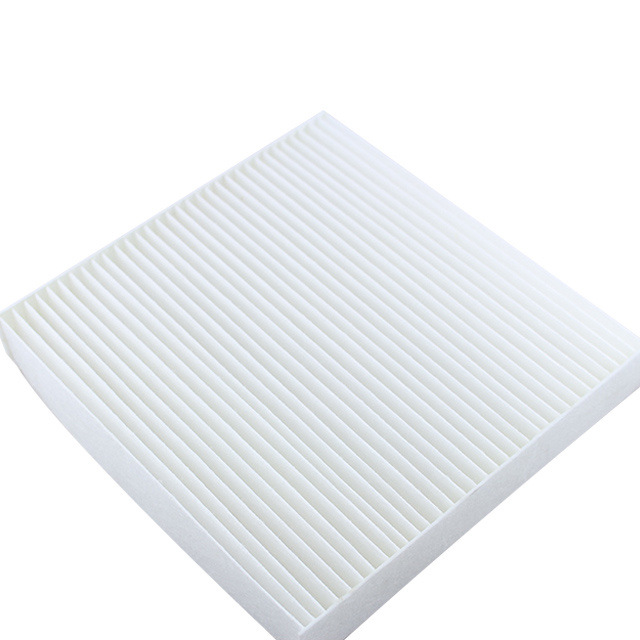
b) Pleated Filters: Constructed with folded materials, pleated filters have a larger surface area and provide better overall filtration. They are available in various MERV ratings, making them suitable for different air quality requirements.
c) Electrostatic Filters: These filters use static charges to attract and capture particles. They are effective at removing smaller particles but may require regular cleaning or replacement to maintain efficiency.
4. Size and Compatibility: Ensuring a Proper Fit
Choosing the right filter size is crucial for optimal performance. Consult your HVAC system's manual or measure the existing filter to determine the correct dimensions. A filter that doesn't fit properly may allow unfiltered air to bypass, reducing its effectiveness.
5. Lifespan and Maintenance: Longevity Matters
Consider the lifespan and maintenance requirements of different filter types. Some filters may need replacement every month, while others can last up to six months. Regularly checking and replacing filters is essential to maintain optimal air quality and ensure your central air unit functions efficiently.
6. Cost Considerations: Balancing Performance and Budget
While cost is an important factor, it should not be the sole consideration. Cheaper filters may not offer adequate filtration, leading to poor air quality and potential damage to your HVAC system. Find a balance between performance and budget by considering the MERV rating, lifespan, and maintenance requirements.
7. Environmental Impact: Choose Filters with Sustainability in Mind
Opt for filters that are environmentally friendly. Look for options made from recyclable materials and those with low environmental impact. Some manufacturers offer eco-friendly filters that promote sustainability without compromising performance.
8. Frequently Asked Questions (FAQs)
FAQ 1: What MERV rating should I choose for residential use?
FAQ 2: How often should I change my air filter?
FAQ 3: Can I reuse electrostatic filters?
FAQ 4: Are expensive filters always better?
FAQ 5: How do I know if a filter is compatible with my central air unit?
9. Conclusion: Invest in Your Indoor Air Quality
When it comes to purchasing central air unit filters, prioritizing indoor air quality is crucial. Consider factors such as MERV ratings, filter types, size compatibility, lifespan, maintenance requirements, cost considerations, and environmental impact. By making an informed decision, you can ensure cleaner and healthier air for you and your loved ones. Invest in high-quality filters and enjoy the benefits of improved indoor air quality.
Key words:

* Please Enter Keywords
The company is mainly engaged in the manufacture and sale of auto parts and accessories in the automobile manufacturing industry, the manufacture and sale of automobile rubber products, and the import and export of auto parts.