

 Esperanto
 Shqiptare
 Euskara
 Zulu
Zulu
 Latinus
 Cymraeg
 தமிழ்
தமிழ்
 Slovak
 Slovak
 Afrikaans
Focus On Hot Spots

Contact Info
E-mail: txgs@taixifilter.com
Manager Xu: +86-15097925576
Manager Feng: +86-15803195413
Address: North side of Caiyuan Village, Gexianzhuang Town, Qinghe County, Xingtai City, Hebei Province (No. 250)
Increase Efficiency and Extend Lifespan with a New Air Conditioner Filter
Release Time:
Dec 28,2023
Table of Contents 1. The Importance of Air Conditioner Filters 2. How Air Conditioner Filters Work 3. Types of Air Conditioner Filters 4. Choosing the Right Air Conditioner Filter 5. Benefits of High-Quality Filters 6. Frequently Asked Questions (FAQs) 7. Conclusion 1. The Importance of Air Conditioner Filters When it comes to industrial equipment, such as air conditioners, filters play a crucial
1. The Importance of Air Conditioner Filters
2. How Air Conditioner Filters Work
3. Types of Air Conditioner Filters
4. Choosing the Right Air Conditioner Filter
5. Benefits of High-Quality Filters
6. Frequently Asked Questions (FAQs)
7. Conclusion
1. The Importance of Air Conditioner Filters
When it comes to industrial equipment, such as air conditioners, filters play a crucial role in maintaining optimal performance and extending their lifespan. A well-functioning filter helps to improve efficiency, enhance air quality, reduce energy consumption, and prevent potential damage to the system.
2. How Air Conditioner Filters Work
Air conditioner filters are designed to trap various airborne particles, including dust, pollen, mold spores, and pet dander. These filters consist of a porous material that allows air to pass through while capturing contaminants. As the filter collects debris over time, it becomes less effective and restricts the airflow, resulting in reduced efficiency and increased strain on the equipment.
3. Types of Air Conditioner Filters
There are several types of air conditioner filters available, each with its own advantages and limitations.
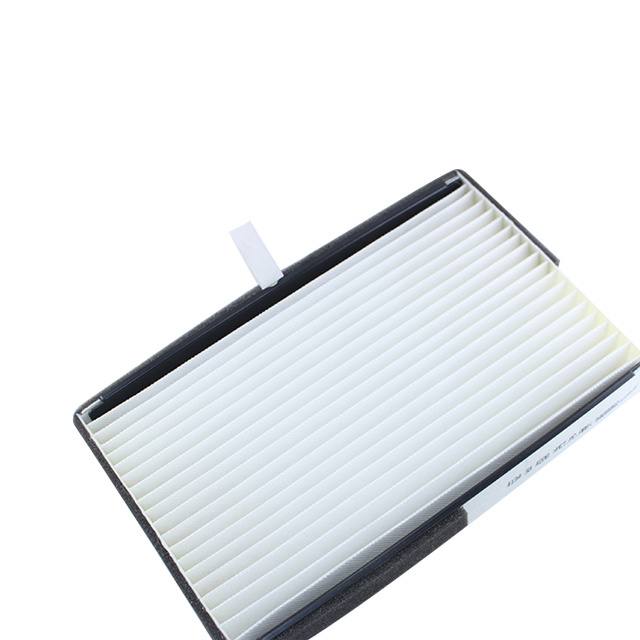
a) Fiberglass Filters: These filters are inexpensive and provide basic filtration for larger particles. However, they are not very effective in capturing smaller particles and need frequent replacement.
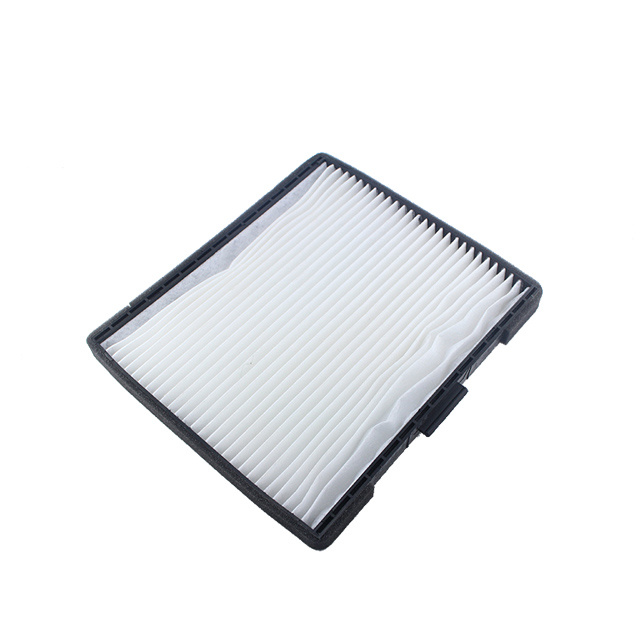
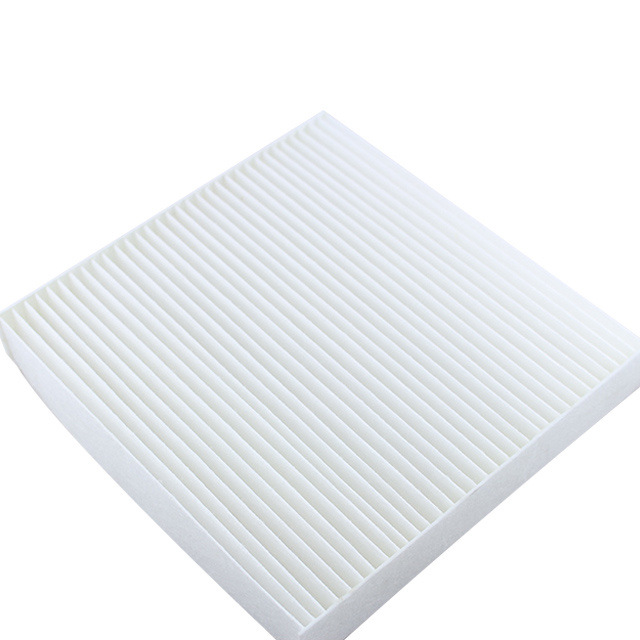
b) Pleated Filters: Pleated filters offer better filtration efficiency than fiberglass filters. The pleats increase the surface area, allowing for more debris capture. They are available in various MERV (Minimum Efficiency Reporting Value) ratings, indicating their effectiveness in removing particles of different sizes.
c) Electrostatic Filters: Electrostatic filters use an electrostatic charge to attract and capture airborne particles. They are washable and can be reused, making them a cost-effective option. However, these filters may produce ozone as a byproduct, which can be a concern for some industries.
d) High-Efficiency Particulate Air (HEPA) Filters: HEPA filters are the gold standard for air filtration. They are capable of capturing particles as small as 0.3 microns with an efficiency of 99.97%. These filters are commonly used in industries where air quality is crucial, such as pharmaceutical manufacturing and cleanrooms.
4. Choosing the Right Air Conditioner Filter
Selecting the right air conditioner filter depends on various factors, including the specific requirements of your industry, the environment in which the equipment operates, and the size of the particles you need to filter. Here are some key considerations:
a) Filtration Efficiency: Determine the level of filtration required based on the type of contaminants present in your environment. Higher MERV ratings indicate better filtration efficiency.
b) Airflow Resistance: Consider the pressure drop caused by the filter. A highly efficient filter may restrict airflow, negatively impacting the system's performance. Find a balance between filtration efficiency and airflow resistance.
c) Filter Longevity: Evaluate the lifespan of the filter and its maintenance requirements. Some filters may require more frequent replacement or cleaning, while others offer longer service life.
d) Compatibility: Ensure that the selected filter is compatible with your air conditioning system. Check the dimensions, airflow capacity, and installation requirements before making a purchase.
5. Benefits of High-Quality Filters
Investing in high-quality air conditioner filters can yield several benefits for your industrial equipment and overall operations:
a) Improved Efficiency: A clean and efficient filter allows for better airflow, reducing energy consumption and optimizing the performance of your air conditioning system.
b) Extended Lifespan: By preventing the buildup of debris and contaminants, high-quality filters help reduce wear and tear on the equipment, leading to a longer lifespan.
c) Enhanced Air Quality: Advanced filters effectively capture allergens, pollutants, and harmful particles, improving the air quality within your industrial facility and creating a healthier working environment.
d) Cost Savings: Although high-quality filters may have a higher upfront cost, they can save you money in the long run by reducing energy consumption, minimizing repairs, and preventing premature equipment failure.
6. Frequently Asked Questions (FAQs)
Q1: How often should I replace my air conditioner filter?
A1: The frequency of filter replacement depends on factors such as the type of filter, the environment, and the manufacturer's recommendations. Generally, it is advisable to replace filters every 1-3 months.
Q2: Can I clean and reuse air conditioner filters?
A2: Some filters, such as electrostatic filters, can be washed and reused. However, most filters, including pleated and HEPA filters, are disposable and should be replaced when they become dirty or clogged.
Q3: What are the signs of a clogged air conditioner filter?
A3: Reduced airflow, increased energy consumption, poor air quality, and visible dirt on the filter are common signs of a clogged filter. Regular maintenance and inspection can help identify these issues.
Q4: Can using a higher MERV-rated filter cause problems?
A4: Using a higher MERV-rated filter may restrict airflow if the air conditioning system is not designed to handle it. Consult with an HVAC professional to ensure compatibility and avoid any potential issues.
Q5: Can a new air conditioner filter fix my existing efficiency and lifespan issues?
A5: While a new filter can improve the efficiency and lifespan of your air conditioning system, it may not solve all underlying issues. Regular maintenance and addressing any other system-related problems are also essential.
7. Conclusion
Investing in a new air conditioner filter is a wise decision to increase efficiency and extend the lifespan of your industrial equipment. By choosing the right filter and maintaining it properly, you can enjoy improved performance, energy savings, and a healthier environment within your facility. Remember to regularly replace or clean the filter to ensure optimal filtration and airflow, ultimately maximizing the benefits of your air conditioning system.
Key words:

* Please Enter Keywords
The company is mainly engaged in the manufacture and sale of auto parts and accessories in the automobile manufacturing industry, the manufacture and sale of automobile rubber products, and the import and export of auto parts.