

 Esperanto
 Shqiptare
 Euskara
 Zulu
Zulu
 Latinus
 Cymraeg
 தமிழ்
தமிழ்
 Slovak
 Slovak
 Afrikaans
Focus On Hot Spots

Contact Info
E-mail: txgs@taixifilter.com
Manager Xu: +86-15097925576
Manager Feng: +86-15803195413
Address: North side of Caiyuan Village, Gexianzhuang Town, Qinghe County, Xingtai City, Hebei Province (No. 250)
The Importance of Regularly Replacing Your Industrial Equipment's Air Conditioner Filter
Release Time:
Dec 29,2023
Table of Contents: 1. Introduction: Understanding the Role of Air Conditioner Filters in Industrial Equipment 2. The Importance of Regular Air Filter Replacement 3. Enhancing Air Quality and Reducing Health Risks 4. Improving Energy Efficiency and Saving Costs 5. Extending the Lifespan of Industrial Equipment 6. Preventing Unwanted Downtime and Maintenance Issues 7. How Often Should You Replace Yo
1. Introduction: Understanding the Role of Air Conditioner Filters in Industrial Equipment
2. The Importance of Regular Air Filter Replacement
3. Enhancing Air Quality and Reducing Health Risks
4. Improving Energy Efficiency and Saving Costs
5. Extending the Lifespan of Industrial Equipment
6. Preventing Unwanted Downtime and Maintenance Issues
7. How Often Should You Replace Your Air Conditioner Filter?
8. FAQs: Addressing Common Concerns
9. Conclusion: Prioritizing Regular Air Filter Replacement for Optimal Performance
1. Introduction: Understanding the Role of Air Conditioner Filters in Industrial Equipment
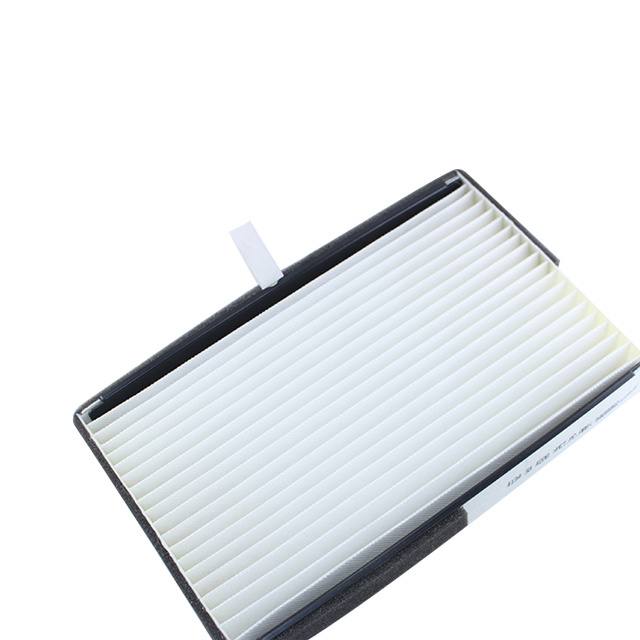
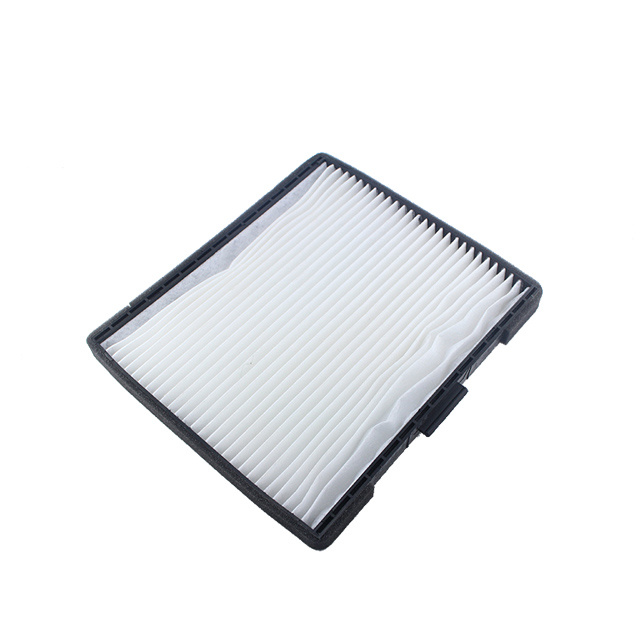
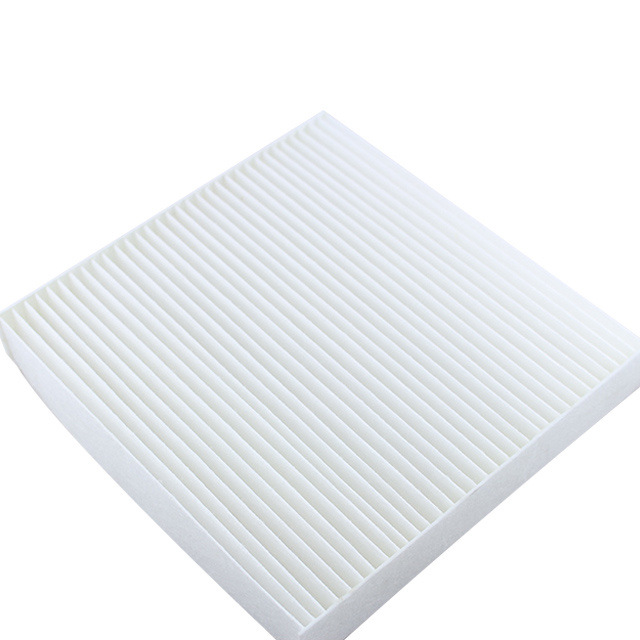
Air conditioner filters play a crucial role in maintaining a clean and efficient environment within industrial equipment. These filters are designed to trap dust, debris, allergens, and other airborne particles, ensuring that the air circulating within the equipment remains clean and contaminant-free.
2. The Importance of Regular Air Filter Replacement
Regularly replacing your industrial equipment's air conditioner filter is essential for various reasons. It not only ensures the longevity of the equipment but also contributes to improved indoor air quality and energy efficiency.
2.1 Enhancing Air Quality and Reducing Health Risks
When an air conditioner filter becomes clogged with dirt and contaminants, it fails to effectively filter the air. As a result, the air quality within the equipment deteriorates, leading to potential health risks for employees working in the vicinity. Regularly replacing the air filter helps maintain clean and healthy air, reducing the chances of respiratory issues and allergies.
2.2 Improving Energy Efficiency and Saving Costs
A dirty or clogged air conditioner filter obstructs the airflow, forcing the equipment to work harder to maintain the desired temperature. This increased strain on the system leads to higher energy consumption and elevated utility bills. By replacing the filter regularly, you can ensure optimal airflow and improve energy efficiency, resulting in significant cost savings.
2.3 Extending the Lifespan of Industrial Equipment
Industrial equipment represents a significant investment for any business. Regularly replacing the air conditioner filter helps protect this investment by reducing the strain on the equipment. A clean filter allows for proper air circulation, preventing the accumulation of dust and debris on sensitive components. This, in turn, extends the lifespan of the equipment and minimizes the need for costly repairs or replacements.
2.4 Preventing Unwanted Downtime and Maintenance Issues
Neglecting to replace the air conditioner filter can lead to unexpected breakdowns and costly downtime. A dirty filter can cause the system to overheat, leading to malfunctions or even complete equipment failure. Regular filter replacement ensures uninterrupted operation, minimizes the risk of unexpected maintenance issues, and keeps your business running smoothly.
3. How Often Should You Replace Your Air Conditioner Filter?
The frequency of air conditioner filter replacement depends on various factors, including the type of industrial equipment, the environment it operates in, and the manufacturer's recommendations. However, it is generally recommended to replace the filter every three to six months. In environments with high levels of dust or pollutants, more frequent replacements may be necessary.
4. FAQs: Addressing Common Concerns
4.1 Can I clean and reuse the air conditioner filter?
Cleaning and reusing air conditioner filters are typically not recommended. While it may seem like a cost-effective option, cleaning may not completely remove all contaminants, compromising the filter's efficiency. It is best to replace the filter with a new one.
4.2 How can I determine if my filter needs replacement?
Inspecting the filter regularly is crucial. If you notice visible dirt, debris, or discoloration, it is a clear indication that the filter needs replacement. Additionally, a reduction in airflow or an increase in energy consumption can also be signs of a clogged filter.
4.3 Can a clogged filter damage the industrial equipment?
Yes, a clogged filter can lead to various issues such as overheating, decreased equipment performance, and increased strain on the system's components. Over time, these issues can cause irreversible damage to the equipment.
4.4 Are there any benefits to using high-efficiency air filters?
High-efficiency air filters are designed to trap even smaller particles, providing superior air filtration. While they may be more expensive upfront, they offer improved air quality, reduced allergens, and better equipment protection.
4.5 Can I replace the filter myself or should I seek professional assistance?
Filter replacement is often a simple task that can be done by following the equipment manufacturer's instructions. However, if you are unsure or uncomfortable with the process, it is recommended to seek professional assistance to ensure proper installation and functionality.
9. Conclusion: Prioritizing Regular Air Filter Replacement for Optimal Performance
Regularly replacing the air conditioner filter in your industrial equipment is a crucial maintenance task that should never be overlooked. By prioritizing filter replacement, you can enhance air quality, improve energy efficiency, extend the lifespan of your equipment, and prevent unexpected downtime and costly repairs. Remember to follow the manufacturer's recommendations and monitor the filter's condition for optimal performance and a healthy work environment.
Key words:

* Please Enter Keywords
The company is mainly engaged in the manufacture and sale of auto parts and accessories in the automobile manufacturing industry, the manufacture and sale of automobile rubber products, and the import and export of auto parts.