

 Esperanto
 Shqiptare
 Euskara
 Zulu
Zulu
 Latinus
 Cymraeg
 தமிழ்
தமிழ்
 Slovak
 Slovak
 Afrikaans
Focus On Hot Spots
Contact Info
E-mail: txgs@taixifilter.com
Manager Xu: +86-15097925576
Manager Feng: +86-15803195413
Address: North side of Caiyuan Village, Gexianzhuang Town, Qinghe County, Xingtai City, Hebei Province (No. 250)
Top 5 Types of Filters for Efficient Air Conditioning Systems
Release Time:
Dec 30,2023
Table of Contents: 1. Introduction 2. Why Are Filters Important for Air Conditioning Systems? 3. Types of Filters 3.1 Fiberglass Filters 3.2 Pleated Filters 3.3 Electrostatic Filters 3.4 Activated Carbon Filters 3.5 HEPA Filters 4. Factors to Consider When Choosing a Filter 5. Benefits of Using High-Quality Filters 6. Frequently Asked Questions (FAQs) 6.1 What is the lifesp
1.
Introduction
2.
Why Are Filters Important for Air Conditioning Systems?
3.
Types of Filters
3.1
Fiberglass Filters
3.2
Pleated Filters
3.3
Electrostatic Filters
3.4
Activated Carbon Filters
3.5
HEPA Filters
4.
Factors to Consider When Choosing a Filter
5.
Benefits of Using High-Quality Filters
6.
Frequently Asked Questions (FAQs)
6.1
What is the lifespan of an air conditioning filter?
6.2
How often should I replace my air conditioning filter?
6.3
Can I clean and reuse air conditioning filters?
6.4
Are expensive filters better than cheaper ones?
6.5
Can filters improve the efficiency of my air conditioning system?
7.
Conclusion
Introduction
Having an efficient air conditioning system is crucial for maintaining a comfortable indoor environment, especially during hot summer months. One often overlooked aspect of air conditioning systems is the type of filter used. Filters play a vital role in ensuring clean and healthy air circulation, preventing the build-up of dust, allergens, and pollutants. In this article, we will explore the top 5 types of filters that can maximize the efficiency of your air conditioning system, ultimately improving your indoor air quality.
Why Are Filters Important for Air Conditioning Systems?
Air conditioning filters act as the first line of defense against airborne particles that can negatively impact indoor air quality. These filters are designed to trap and remove dust, pollen, pet dander, mold spores, and other allergens, preventing them from recirculating throughout your space. By maintaining clean air, filters contribute to a healthier environment and reduce the strain on your air conditioning system, leading to improved energy efficiency.
Types of Filters
There are several types of filters available for air conditioning systems, each with its own unique features and benefits. Let's explore the top 5 types:
1. Fiberglass Filters
Fiberglass filters are the most common and budget-friendly option. They are made from layered fiberglass fibers that effectively trap large particles like dust and lint. While they offer minimal filtration of smaller particles and allergens, they are still better than having no filter at all. Fiberglass filters are disposable and need to be replaced regularly.
2. Pleated Filters
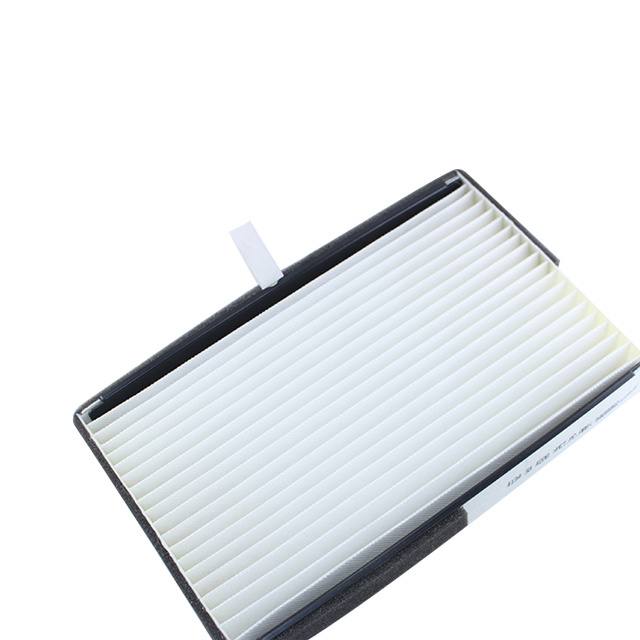
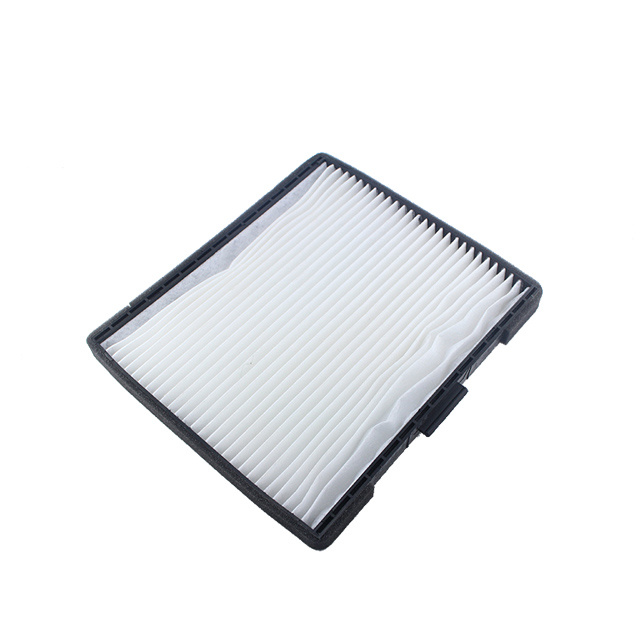
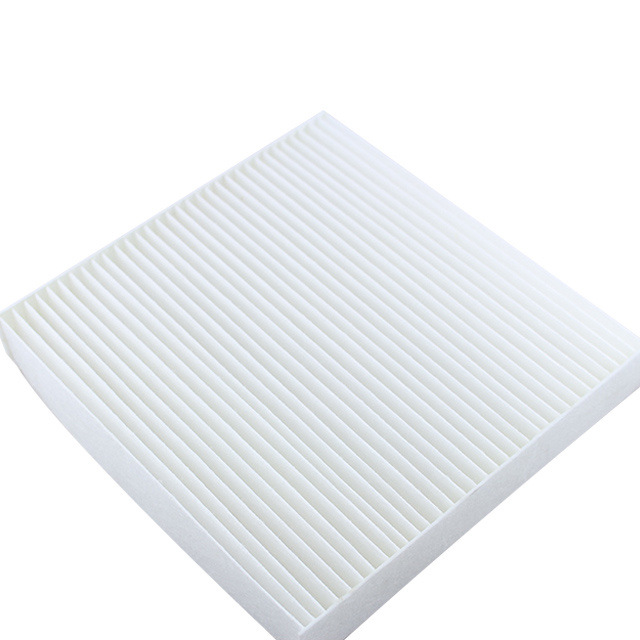
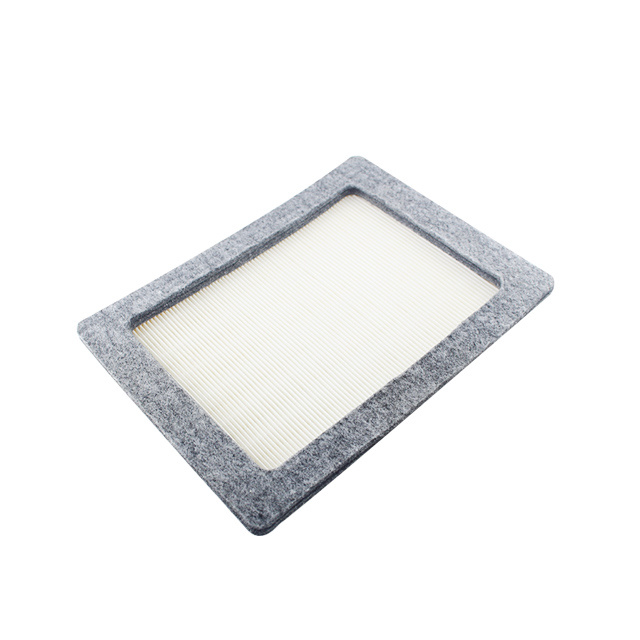
Pleated filters are an upgrade from fiberglass filters, offering better filtration capabilities. They are made from polyester or cotton, with pleats that increase the surface area for capturing more particles. These filters can trap smaller particles, including pet dander, pollen, and mold spores, providing better indoor air quality. Pleated filters are also disposable and require periodic replacement.
3. Electrostatic Filters
Electrostatic filters use static electricity to attract and trap particles. They are available in both disposable and washable forms. Disposable electrostatic filters are made from self-charging materials that attract particles like a magnet. Washable electrostatic filters, on the other hand, can be cleaned and reused multiple times, reducing waste. These filters are effective in capturing dust, pollen, and mold spores.
4. Activated Carbon Filters
Activated carbon filters are designed to remove odors, chemicals, and volatile organic compounds (VOCs) from the air. They contain a layer of activated carbon that absorbs and neutralizes these pollutants, resulting in fresher and cleaner air. These filters are commonly used in environments with strong odors or chemical contaminants.
5. HEPA Filters
HEPA (High-Efficiency Particulate Air) filters are the gold standard in air filtration. They are capable of trapping 99.97% of particles as small as 0.3 microns. HEPA filters are highly effective in capturing allergens, pollen, mold spores, and even some bacteria and viruses. These filters are ideal for individuals with respiratory conditions or those seeking the highest level of air purification.
Factors to Consider When Choosing a Filter
When selecting a filter for your air conditioning system, consider the following factors:
- Size compatibility with your air conditioning unit
- Filtration efficiency and MERV (Minimum Efficiency Reporting Value) rating
- Filter lifespan and replacement frequency
- Allergen-specific needs (e.g., pet allergies, pollen sensitivity)
- Budget and cost of replacement filters
Benefits of Using High-Quality Filters
Using high-quality filters in your air conditioning system offers numerous benefits, including:
1. Improved air quality: Filters remove allergens, dust, and pollutants, providing cleaner and fresher air.
2. Reduced allergies and respiratory issues: Effective filtration helps minimize the presence of allergens, benefiting individuals with allergies or asthma.
3. Energy efficiency: Clean filters improve airflow, reducing strain on the system and enhancing energy efficiency.
4. Extended lifespan of the system: Filters prevent the accumulation of dust and debris, prolonging the lifespan of your air conditioning system.
5. Cost savings: Investing in high-quality filters helps maintain optimal system performance and reduces the need for expensive repairs or premature replacements.
Frequently Asked Questions (FAQs)
1. What is the lifespan of an air conditioning filter?
The lifespan of an air conditioning filter depends on various factors, including the type of filter, air quality, and usage. Disposable filters typically last between one to three months, while washable filters can last for several years with proper maintenance.
2. How often should I replace my air conditioning filter?
It is recommended to replace disposable filters every 1-3 months. However, factors such as pets, indoor air quality, and system usage can affect the replacement frequency. Washable filters should be cleaned according to the manufacturer's instructions.
3. Can I clean and reuse air conditioning filters?
Yes, washable filters can be cleaned and reused multiple times. Follow the manufacturer's instructions for proper cleaning techniques to maintain their effectiveness.
4. Are expensive filters better than cheaper ones?
Expensive filters often have higher MERV ratings and better filtration capabilities. However, the choice of filter should be based on your specific needs and the recommendations of your HVAC system manufacturer.
5. Can filters improve the efficiency of my air conditioning system?
Yes, clean and high-quality filters enhance the airflow in your air conditioning system, reducing strain and improving energy efficiency. Regular filter maintenance is essential for optimal system performance.
Conclusion
Choosing the right filter for your air conditioning system is crucial for maintaining efficient operation and improving indoor air quality. Whether you opt for fiberglass, pleated, electrostatic, activated carbon, or HEPA filters, each type offers unique benefits and filtration capabilities. Regular filter replacement or cleaning, depending on the type, ensures optimal performance and a healthier living environment. Invest in high-quality filters, and breathe easy knowing that your air conditioning system is providing you with clean, fresh air.
Key words:

* Please Enter Keywords
The company is mainly engaged in the manufacture and sale of auto parts and accessories in the automobile manufacturing industry, the manufacture and sale of automobile rubber products, and the import and export of auto parts.