

 Esperanto
 Shqiptare
 Euskara
 Zulu
Zulu
 Latinus
 Cymraeg
 தமிழ்
தமிழ்
 Slovak
 Slovak
 Afrikaans
Focus On Hot Spots
Contact Info
E-mail: txgs@taixifilter.com
Manager Xu: +86-15097925576
Manager Feng: +86-15803195413
Address: North side of Caiyuan Village, Gexianzhuang Town, Qinghe County, Xingtai City, Hebei Province (No. 250)
Filters for Air Conditioning Systems: Enhancing Efficiency and Indoor Air Quality
Release Time:
Dec 31,2023
Filters are an essential component of air conditioning systems, especially in the industrial equipment and components industry. They are responsible for removing airborne particles, such as dust, pollen, and pollutants, from the air, thereby enhancing the efficiency of the system and improving indoor air quality. In this article, we will explore the importance of filters in air conditioning system
1. The Role of Filters in Air Conditioning Systems
Filters act as a barrier, preventing harmful particles from entering the system and circulating in the indoor environment. By capturing these particles, filters help maintain a clean and healthy atmosphere, reducing the risk of respiratory issues and allergies among occupants.
2. Benefits of Effective Filtration
Effective filtration offers several advantages for both the air conditioning system and the people using the facility. These include:
- Improved energy efficiency: Clean filters allow air to flow freely, reducing the strain on the system and improving its overall performance. This leads to energy savings and reduced operating costs.
- Enhanced system lifespan: Filters prevent dust and debris from accumulating on critical components, such as coils and fans, which can lead to system malfunctions or breakdowns. Regularly replacing or cleaning filters extends the lifespan of the system.
- Better indoor air quality: Filters remove airborne particles, including allergens, mold spores, and volatile organic compounds (VOCs), resulting in cleaner and healthier indoor air for occupants.
3. Types of Filters for Air Conditioning Systems
There are various types of filters available for air conditioning systems, each with its own filtration efficiency and lifespan. Some common types include:
- Fiberglass filters: These filters are inexpensive but offer lower efficiency and need to be replaced more frequently.
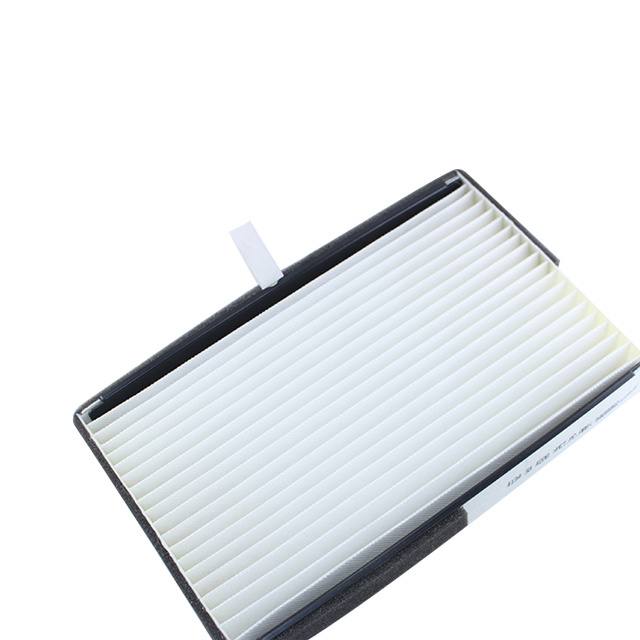
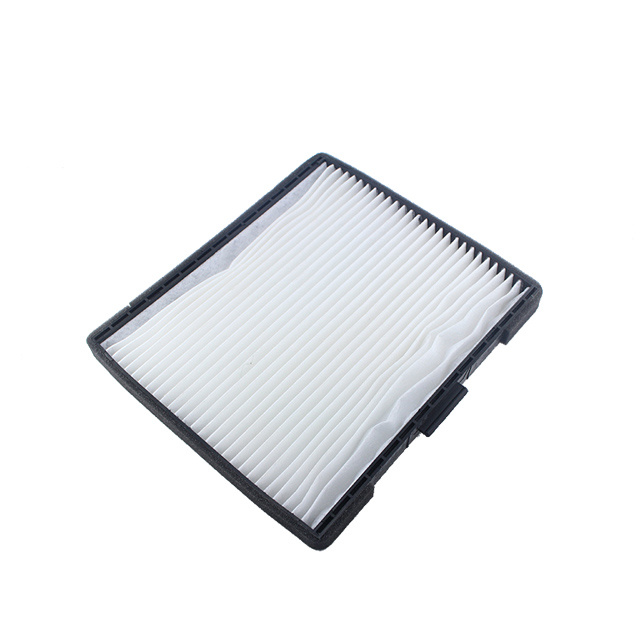
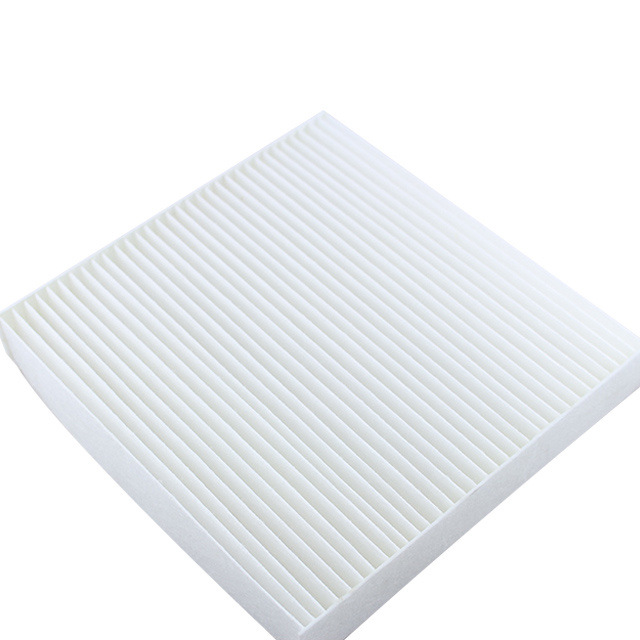
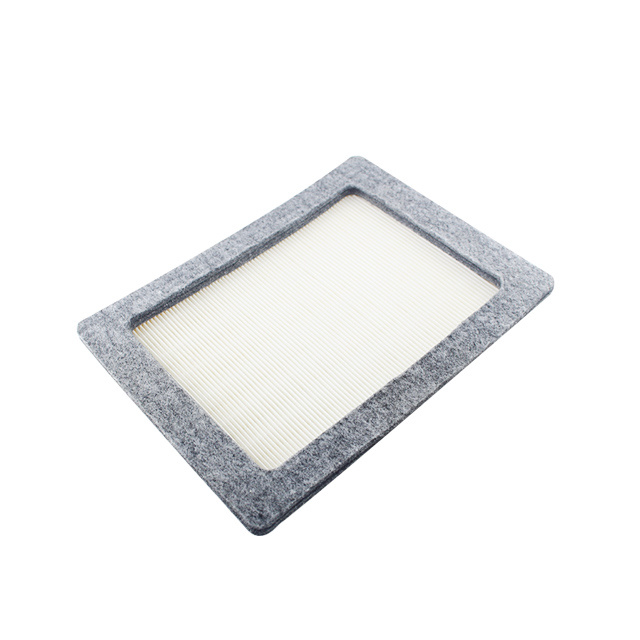
- Pleated filters: With higher filtration efficiency, pleated filters trap smaller particles and have a longer lifespan compared to fiberglass filters.
- HEPA filters: High-Efficiency Particulate Air (HEPA) filters provide the highest level of filtration, capturing even the tiniest particles. They are often used in hospitals, laboratories, and other environments that require superior air quality.
4. Maintenance Tips for Filters
To ensure optimum performance, filters should be inspected and maintained regularly. Here are some maintenance tips for filters in air conditioning systems:
- Check filters monthly: Inspect the filters for dirt, dust, and damage. Replace them if they are visibly dirty or damaged.
- Follow manufacturer recommendations: Refer to the manufacturer's guidelines for specific maintenance instructions and filter replacement schedules.
- Clean or replace filters as needed: Depending on the type of filter and the environment, filters may need to be cleaned or replaced every 1 to 3 months.
- Monitor airflow: Restricted airflow may indicate a clogged filter. If airflow is significantly reduced, clean or replace the filter immediately.
In conclusion, filters in air conditioning systems play a vital role in enhancing efficiency and maintaining clean indoor air quality. By understanding the benefits, types, and maintenance tips for effective filtration, professionals in the industrial equipment and components industry can ensure the optimal performance of air conditioning systems and provide healthier environments for occupants.
Key words:

* Please Enter Keywords
The company is mainly engaged in the manufacture and sale of auto parts and accessories in the automobile manufacturing industry, the manufacture and sale of automobile rubber products, and the import and export of auto parts.