

 Esperanto
 Shqiptare
 Euskara
 Zulu
Zulu
 Latinus
 Cymraeg
 தமிழ்
தமிழ்
 Slovak
 Slovak
 Afrikaans
Focus On Hot Spots

Contact Info
E-mail: txgs@taixifilter.com
Manager Xu: +86-15097925576
Manager Feng: +86-15803195413
Address: North side of Caiyuan Village, Gexianzhuang Town, Qinghe County, Xingtai City, Hebei Province (No. 250)
Maintaining Optimal Fuel Efficiency with a Well-Maintained Car Fuel Oil Filter
Release Time:
Jan 01,2024
Table of Contents: 1. Introduction: Understanding the Importance of Fuel Efficiency 2. What is a Fuel Oil Filter? 3. How Does a Fuel Oil Filter Work? 4. The Role of a Well-Maintained Fuel Oil Filter in Fuel Efficiency 5. Signs of a Clogged or Dirty Fuel Oil Filter 6. Steps to Maintain a Car Fuel Oil Filter 7. FAQs about Car Fuel Oil Filters 8. Conclusion Introduction: Understanding the Importance
1. Introduction: Understanding the Importance of Fuel Efficiency
2. What is a Fuel Oil Filter?
3. How Does a Fuel Oil Filter Work?
4. The Role of a Well-Maintained Fuel Oil Filter in Fuel Efficiency
5. Signs of a Clogged or Dirty Fuel Oil Filter
6. Steps to Maintain a Car Fuel Oil Filter
7. FAQs about Car Fuel Oil Filters
8. Conclusion
Introduction: Understanding the Importance of Fuel Efficiency
Fuel efficiency plays a crucial role in our daily lives, affecting both our wallets and the environment. As fuel prices continue to rise and environmental concerns grow, it is essential to ensure that our vehicles are running at their most efficient. One important component that contributes to fuel efficiency is the car fuel oil filter.
What is a Fuel Oil Filter?
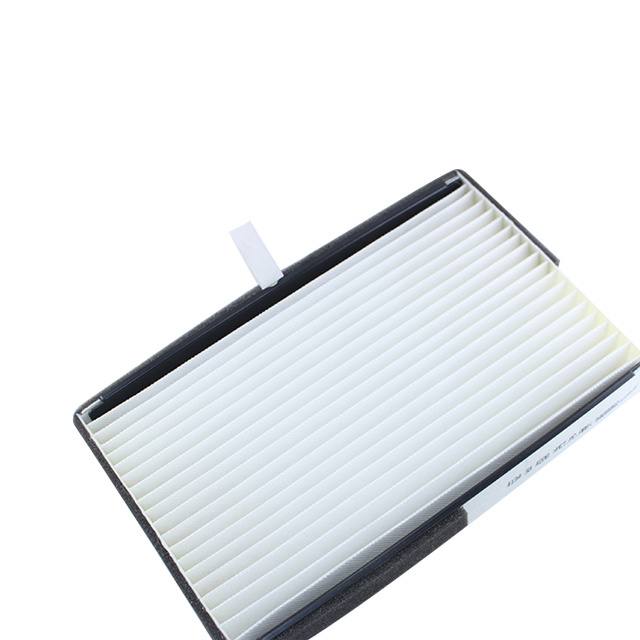
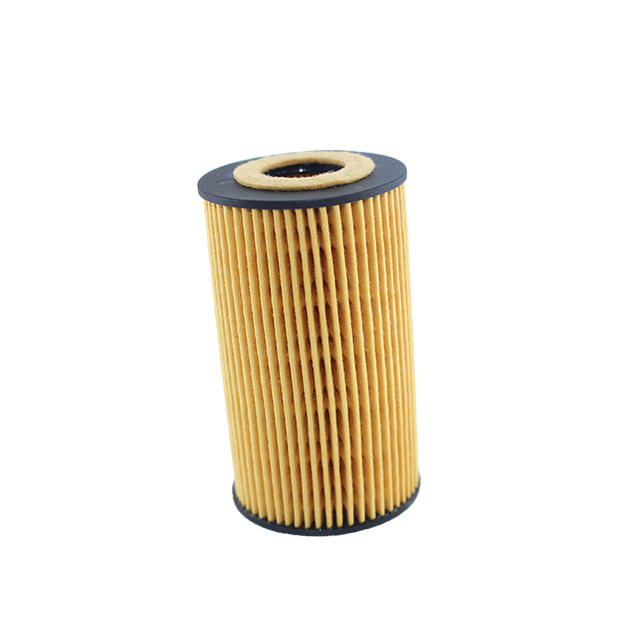
A fuel oil filter is a vital component of a car's fuel system. Its primary function is to remove contaminants, such as dirt, debris, and rust particles, from the fuel before it reaches the engine. By purifying the fuel, the filter prevents these impurities from entering the engine and causing potential damage.
How Does a Fuel Oil Filter Work?
The fuel oil filter is typically located between the fuel tank and the engine. It consists of a canister filled with a filter element made of paper, cloth, or synthetic materials. As the fuel travels through the filter, the impurities get trapped in the filter media, allowing only clean fuel to reach the engine.
The Role of a Well-Maintained Fuel Oil Filter in Fuel Efficiency
A well-maintained fuel oil filter is essential for maintaining optimal fuel efficiency. Here's how it contributes to this:
1. Improved Engine Performance: A clean fuel oil filter ensures that only clean fuel reaches the engine, promoting better combustion. This leads to improved engine performance and increased fuel efficiency.
2. Reduced Engine Wear: Contaminants present in the fuel can cause wear and tear on engine components. By removing these impurities, a fuel oil filter helps reduce engine wear, resulting in improved fuel efficiency and prolonging the engine's lifespan.
3. Prevents Fuel Line Blockages: A clogged or dirty fuel oil filter can lead to fuel line blockages, restricting the flow of fuel to the engine. This can cause engine misfires, decreased power, and reduced fuel efficiency. Regular maintenance of the filter prevents such issues.
4. Saves Money: By ensuring that your car's fuel system is clean and efficient, a well-maintained fuel oil filter helps you save money on fuel costs. Improved fuel efficiency means fewer visits to the gas station and more miles covered per gallon.
Signs of a Clogged or Dirty Fuel Oil Filter
It is crucial to recognize the signs of a clogged or dirty fuel oil filter to ensure timely maintenance. Here are a few indicators that your filter may need attention:
1. Engine Misfires: If you experience frequent engine misfires or a noticeable decrease in power, it could indicate a clogged fuel oil filter.
2. Starting Issues: Difficulty starting your vehicle, especially in cold weather, may be a result of a clogged filter, preventing adequate fuel flow to the engine.
3. Reduced Fuel Efficiency: If you notice a sudden drop in fuel efficiency, it could be a sign that the fuel oil filter is not functioning optimally.
4. Engine Stalling: A clogged filter can lead to engine stalling, as it restricts the fuel flow necessary for smooth operation.
Steps to Maintain a Car Fuel Oil Filter
To ensure your car fuel oil filter functions optimally, regular maintenance is crucial. Here are some essential steps to follow:
1. Check the Manufacturer's Recommendations: Refer to your vehicle's manual to determine how often the fuel oil filter should be inspected and replaced. Typically, it is recommended to replace the filter every 20,000 to 30,000 miles or as per the manufacturer's guidelines.
2. Inspect the Filter Regularly: Periodically check the fuel oil filter for any signs of dirt, debris, or clogging. If you notice any issues, it is best to replace the filter promptly.
3. Replace the Filter: When it's time for a replacement, ensure you use a high-quality filter that meets the specifications of your vehicle. Follow the manufacturer's instructions for proper installation.
4. Fuel Quality: To prevent premature clogging of the filter, it is essential to use high-quality fuel. Avoid filling up your vehicle with fuel from unreliable sources or contaminated sources.
5. Professional Maintenance: Consider taking your vehicle to a trusted mechanic for regular maintenance and inspection of the fuel system, including the fuel oil filter. They can identify any potential issues and address them before they become major problems.
FAQs about Car Fuel Oil Filters
Q: How often should I replace my car fuel oil filter?
A: The replacement interval varies depending on the vehicle and the filter type. Consult your vehicle's manual or a trusted mechanic for specific recommendations.
Q: Can I clean a clogged fuel oil filter instead of replacing it?
A: It is generally not recommended to clean a clogged fuel oil filter. Cleaning may not effectively remove all contaminants, and it is best to replace the filter to ensure optimal performance.
Q: What happens if I neglect to maintain my car fuel oil filter?
A: Neglecting maintenance of the fuel oil filter can lead to reduced fuel efficiency, engine misfires, and potential damage to engine components.
Q: Can a clogged fuel oil filter cause my engine to overheat?
A: While a clogged fuel oil filter may not directly cause engine overheating, it can contribute to engine performance issues that may lead to overheating. It is important to address any filter-related problems promptly.
Q: Are all fuel oil filters the same?
A: No, fuel oil filters vary in terms of quality and compatibility with different vehicles. It is essential to choose a filter that meets your vehicle's specifications and quality standards.
Conclusion
Maintaining optimal fuel efficiency is a priority for every vehicle owner. A well-maintained car fuel oil filter plays a crucial role in achieving this goal. By regularly inspecting and replacing the filter as needed, you can ensure that your engine receives clean fuel, leading to improved performance, increased fuel efficiency, and cost savings in the long run. Stay proactive in maintaining your car's fuel system, and enjoy the benefits of a well-running vehicle.
Key words:

* Please Enter Keywords
The company is mainly engaged in the manufacture and sale of auto parts and accessories in the automobile manufacturing industry, the manufacture and sale of automobile rubber products, and the import and export of auto parts.