

 Esperanto
 Shqiptare
 Euskara
 Zulu
Zulu
 Latinus
 Cymraeg
 தமிழ்
தமிழ்
 Slovak
 Slovak
 Afrikaans
Focus On Hot Spots
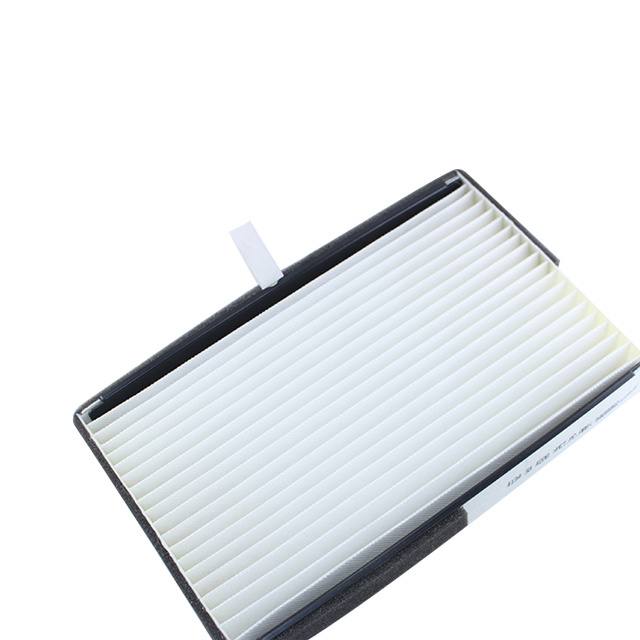
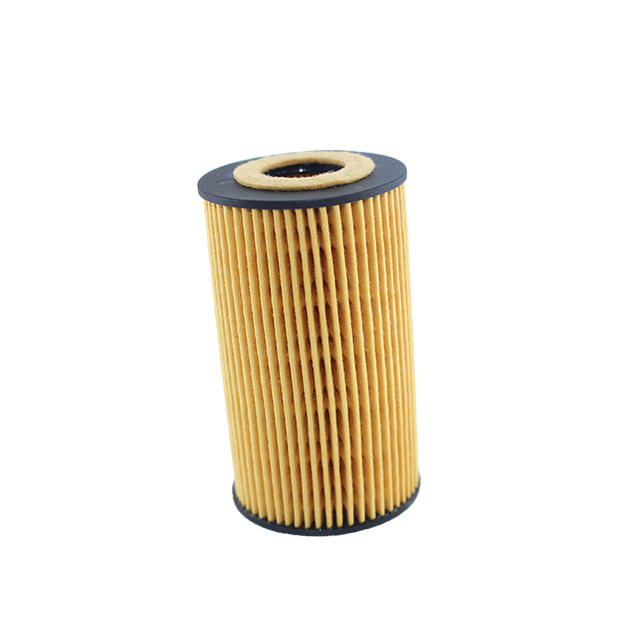
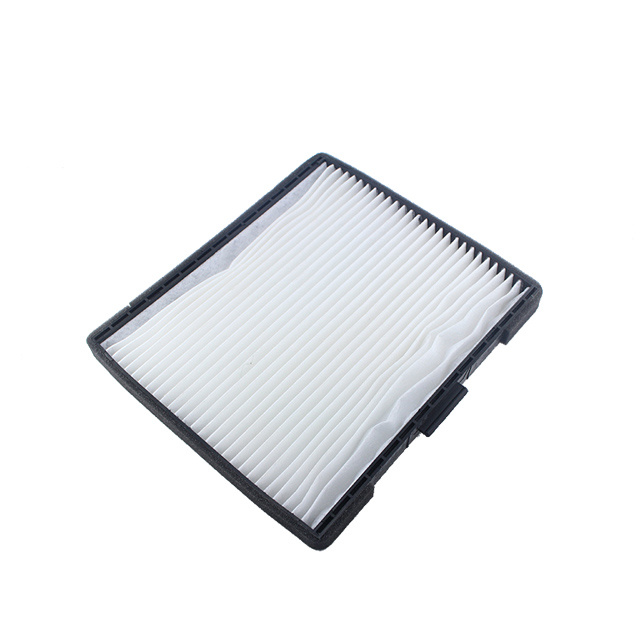
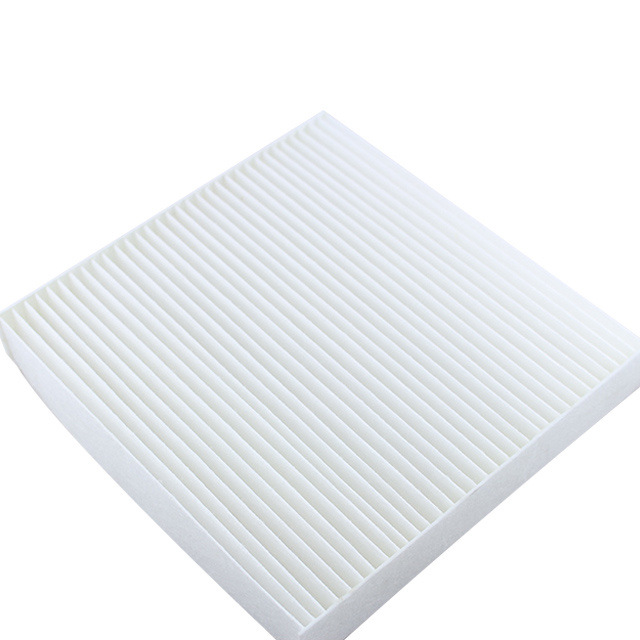

Contact Info
E-mail: txgs@taixifilter.com
Manager Xu: +86-15097925576
Manager Feng: +86-15803195413
Address: North side of Caiyuan Village, Gexianzhuang Town, Qinghe County, Xingtai City, Hebei Province (No. 250)
Maximize Efficiency with High-Quality Automotive Air Conditioning Filters
Release Time:
Jan 02,2024
Table of Contents: 1. Introduction: The Importance of Automotive Air Conditioning Filters 2. How Automotive Air Conditioning Filters Work 3. Types of Automotive Air Conditioning Filters 3.1 Cabin Air Filters 3.2 Engine Air Filters 4. The Benefits of High-Quality Automotive Air Conditioning Filters 5. Factors to Consider When Choosing Automotive Air Conditioning Filters 5.1 Filter Efficien
1. Introduction: The Importance of Automotive Air Conditioning Filters
2. How Automotive Air Conditioning Filters Work
3. Types of Automotive Air Conditioning Filters
3.1 Cabin Air Filters
3.2 Engine Air Filters
4. The Benefits of High-Quality Automotive Air Conditioning Filters
5. Factors to Consider When Choosing Automotive Air Conditioning Filters
5.1 Filter Efficiency
5.2 Longevity and Durability
5.3 Compatibility with Vehicle Specifications
6. Frequently Asked Questions (FAQs)
6.1 How often should automotive air conditioning filters be replaced?
6.2 Can I clean and reuse automotive air conditioning filters?
6.3 Are high-quality filters more expensive?
6.4 Do automotive air conditioning filters affect fuel efficiency?
6.5 What are the signs of a clogged automotive air conditioning filter?
7. Conclusion: Enhance Vehicle Performance with High-Quality Automotive Air Conditioning Filters
1. Introduction: The Importance of Automotive Air Conditioning Filters
When it comes to automotive air conditioning systems, the role of air filters should never be underestimated. These filters play a vital role in maintaining clean and fresh air inside the vehicle cabin and ensuring optimal performance of the air conditioning system. By trapping dust, pollen, pollutants, and other airborne particles, automotive air conditioning filters improve air quality and contribute to a comfortable driving experience.
2. How Automotive Air Conditioning Filters Work
Automotive air conditioning filters are designed to remove contaminants from the air before it enters the vehicle cabin or the air conditioning system. These filters are typically made of fibrous materials that create a barrier, preventing harmful particles from circulating inside the vehicle.
When air flows through the filter, the fibrous material captures and holds onto pollutants, such as dust, pollen, bacteria, and even exhaust fumes. This prevents these particles from entering the cabin and ensures cleaner air for the occupants. Moreover, it also helps protect the air conditioning system from potential damage caused by debris.
3. Types of Automotive Air Conditioning Filters
3.1 Cabin Air Filters
Cabin air filters are responsible for purifying the air that enters the vehicle cabin through the HVAC (Heating, Ventilation, and Air Conditioning) system. These filters are usually located behind the glove compartment or under the hood, depending on the vehicle's make and model.
Cabin air filters are designed to remove dust, pollen, mold spores, and other allergens, providing a healthier and more comfortable environment for the occupants. Regularly replacing cabin air filters is crucial to maintain optimal air quality inside the vehicle.
3.2 Engine Air Filters
Engine air filters, also known as intake air filters, operate differently from cabin air filters. Their primary function is to clean the air that enters the engine's combustion chambers for optimal performance and fuel efficiency. Engine air filters prevent dirt, debris, and other contaminants from reaching the engine, which could cause damage and reduce its efficiency.
Regularly replacing engine air filters not only ensures clean air intake for the engine but also contributes to better fuel economy and overall engine performance.
4. The Benefits of High-Quality Automotive Air Conditioning Filters
Investing in high-quality automotive air conditioning filters offers numerous benefits, both for the vehicle and its occupants. Here are some of the key advantages:
- Improved Air Quality: High-quality filters effectively trap and remove allergens, dust, and other harmful particles, ensuring cleaner air inside the vehicle cabin. This is particularly beneficial for individuals with respiratory conditions or allergies.
- Enhanced HVAC System Performance: By preventing debris and pollutants from entering the air conditioning system, high-quality filters help maintain its efficiency and prolong its lifespan. This translates to better cooling and heating performance, as well as reduced maintenance costs.
- Extended Component Life: Clean air intake, thanks to high-quality filters, helps protect vital engine components from premature wear and tear. This can extend the life of the engine and other related systems, saving you money on repairs and replacements.
- Energy Efficiency: Automotive air conditioning filters that allow for optimal airflow contribute to improved energy efficiency. When the air conditioning system doesn't have to work as hard to circulate air, it consumes less energy, resulting in lower fuel consumption.
5. Factors to Consider When Choosing Automotive Air Conditioning Filters
Selecting the right automotive air conditioning filters for your vehicle is essential to maximize efficiency and performance. Here are some factors to consider:
5.1 Filter Efficiency
Look for filters with high filtration efficiency, such as those with a high MERV (Minimum Efficiency Reporting Value) rating. A higher MERV rating indicates better filtration performance and the ability to capture smaller particles.
5.2 Longevity and Durability
Choose filters that are designed to withstand the demands of automotive use. Durable materials and construction ensure longevity, reducing the frequency of filter replacements.
5.3 Compatibility with Vehicle Specifications
Ensure that the filters you choose are compatible with your vehicle's make, model, and year. This guarantees a proper fit and optimal performance.
6. Frequently Asked Questions (FAQs)
6.1 How often should automotive air conditioning filters be replaced?
The replacement interval for automotive air conditioning filters varies depending on factors such as driving conditions, air quality, and filter type. Generally, it is recommended to replace cabin air filters every 12,000 to 15,000 miles or at least once a year. Engine air filters may need to be replaced more frequently, typically every 15,000 to 30,000 miles.
6.2 Can I clean and reuse automotive air conditioning filters?
While some filters can be cleaned and reused, most automotive air conditioning filters are designed for single-use only. Cleaning and reusing filters may compromise their filtration efficiency and overall performance.
6.3 Are high-quality filters more expensive?
High-quality filters may come at a slightly higher price compared to lower-quality alternatives. However, the benefits they offer in terms of better filtration, improved air quality, and enhanced system performance make them a worthwhile investment in the long run.
6.4 Do automotive air conditioning filters affect fuel efficiency?
Yes, automotive air conditioning filters can impact fuel efficiency. Clogged or dirty filters restrict airflow, forcing the air conditioning system to work harder and consume more energy. Regularly replacing filters ensures optimal airflow and contributes to better fuel economy.
6.5 What are the signs of a clogged automotive air conditioning filter?
Signs of a clogged automotive air conditioning filter include reduced airflow from the vents, unpleasant odor in the cabin, decreased cooling or heating performance, and increased noise from the HVAC system. If you notice any of these signs, it is advisable to check and replace the filters if necessary.
7. Conclusion: Enhance Vehicle Performance with High-Quality Automotive Air Conditioning Filters
Optimizing the efficiency of your vehicle's air conditioning system is crucial for a comfortable and healthy driving experience. By investing in high-quality automotive air conditioning filters, you can maximize performance, improve air quality, and prolong the lifespan of the system. Remember to choose filters that offer high filtration efficiency, durability, and compatibility with your vehicle specifications. Regularly replacing these filters will contribute to better fuel economy, reduced maintenance costs, and overall enhanced vehicle performance.
Key words:

* Please Enter Keywords
The company is mainly engaged in the manufacture and sale of auto parts and accessories in the automobile manufacturing industry, the manufacture and sale of automobile rubber products, and the import and export of auto parts.