

 Esperanto
 Shqiptare
 Euskara
 Zulu
Zulu
 Latinus
 Cymraeg
 தமிழ்
தமிழ்
 Slovak
 Slovak
 Afrikaans
Focus On Hot Spots
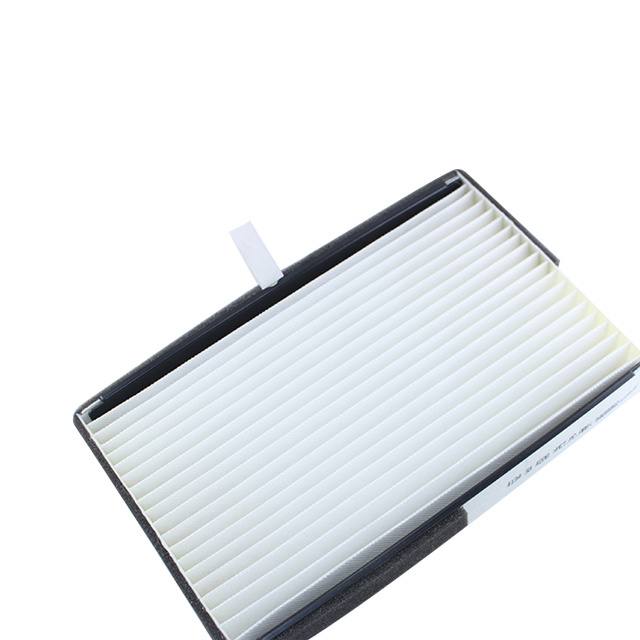
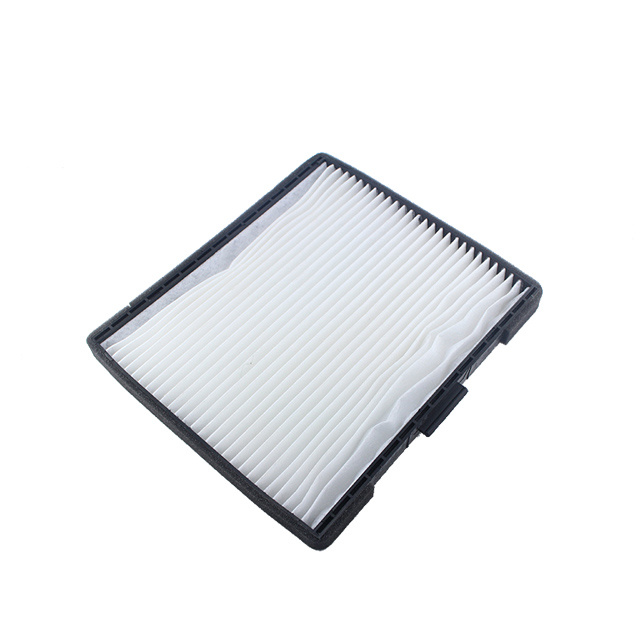
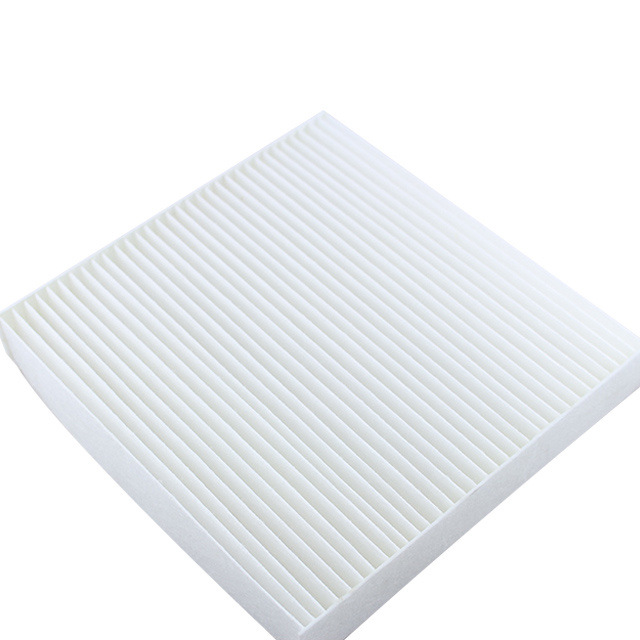

Contact Info
E-mail: txgs@taixifilter.com
Manager Xu: +86-15097925576
Manager Feng: +86-15803195413
Address: North side of Caiyuan Village, Gexianzhuang Town, Qinghe County, Xingtai City, Hebei Province (No. 250)
Common Signs It's Time to Replace Your Automotive Air Conditioning Filter
Release Time:
Jan 03,2024
Table of Contents: 1. Introduction 2. Importance of an Automotive Air Conditioning Filter 3. How Does an Automotive Air Conditioning Filter Work? 4. Common Signs It's Time to Replace Your Automotive Air Conditioning Filter 4.1 Reduced Airflow 4.2 Unpleasant Odors 4.3 Poor Cooling Performance 4.4 Increased Allergies or Respiratory Issues 4.5 Excessive Noise from the System 5. How Oft
1. Introduction
2. Importance of an Automotive Air Conditioning Filter
3. How Does an Automotive Air Conditioning Filter Work?
4. Common Signs It's Time to Replace Your Automotive Air Conditioning Filter
4.1 Reduced Airflow
4.2 Unpleasant Odors
4.3 Poor Cooling Performance
4.4 Increased Allergies or Respiratory Issues
4.5 Excessive Noise from the System
5. How Often Should You Replace Your Automotive Air Conditioning Filter?
6. FAQs (Frequently Asked Questions)
6.1 How can I determine the size of my automotive air conditioning filter?
6.2 Can I clean my automotive air conditioning filter instead of replacing it?
6.3 Can a clogged air conditioning filter cause damage to my car?
6.4 Is it possible to replace the filter myself or should I seek professional help?
6.5 Are there any specific maintenance tips for prolonging the life of my automotive air conditioning filter?
7. Conclusion
1. Introduction
Your car's air conditioning system plays a crucial role in ensuring your comfort during hot summer days. One component that often goes unnoticed but is essential for the system's efficient functioning is the automotive air conditioning filter. In this article, we will explore the signs that indicate the need for the replacement of this vital filter.
2. Importance of an Automotive Air Conditioning Filter
The automotive air conditioning filter is responsible for trapping dust, pollen, and other airborne particles, preventing them from entering the cabin of your car. It not only improves the air quality inside the vehicle but also protects the air conditioning system from potential damage caused by debris.
3. How Does an Automotive Air Conditioning Filter Work?
When air is drawn into the air conditioning system, it passes through the automotive air conditioning filter. The filter's fibers capture and retain particles, allowing only clean air to flow into the cabin. Over time, the filter becomes clogged with trapped debris, reducing its effectiveness.
4. Common Signs It's Time to Replace Your Automotive Air Conditioning Filter
4.1 Reduced Airflow
If you notice a decrease in the airflow coming from your car's air vents, it may indicate a clogged air conditioning filter. Reduced airflow means the filter is unable to allow sufficient clean air to pass through, hindering the system's performance.
4.2 Unpleasant Odors
A musty or moldy smell when you turn on the air conditioning could be a sign of a dirty or clogged filter. Over time, trapped moisture and debris in the filter create a breeding ground for bacteria and mold, resulting in unpleasant odors in the cabin.
4.3 Poor Cooling Performance
When your air conditioning system fails to cool the cabin as effectively as before, a clogged filter could be the culprit. A dirty filter restricts airflow and makes it harder for the system to produce and circulate cool air, resulting in reduced cooling performance.
4.4 Increased Allergies or Respiratory Issues
If you or your passengers experience an increase in allergies or respiratory issues while inside the car, it might be due to a contaminated air conditioning filter. A clogged or dirty filter allows allergens and irritants to circulate in the cabin, affecting air quality and potentially aggravating existing respiratory conditions.
4.5 Excessive Noise from the System
Unusual noises coming from the air conditioning system, such as rattling or wheezing sounds, can be an indication of a clogged filter. The filter's blockage can disrupt the smooth airflow, causing the system to work harder and generate excess noise.
5. How Often Should You Replace Your Automotive Air Conditioning Filter?
The frequency of filter replacement depends on various factors, including driving conditions, air quality, and the type of filter used. In general, it is recommended to inspect the filter every 12,000 to 15,000 miles or at least once a year. However, if you frequently drive in dusty or polluted areas, it may be necessary to replace the filter more frequently.
6. FAQs (Frequently Asked Questions)
6.1 How can I determine the size of my automotive air conditioning filter?
To determine the size of your automotive air conditioning filter, you can refer to your vehicle's owner's manual or consult a professional technician.
6.2 Can I clean my automotive air conditioning filter instead of replacing it?
While some air filters are washable and reusable, most automotive air conditioning filters are designed to be replaced. Cleaning may not effectively remove all the trapped debris, ultimately affecting the filter's performance.
6.3 Can a clogged air conditioning filter cause damage to my car?
Yes, a clogged air conditioning filter can potentially cause damage to your car. Reduced airflow can strain the system, leading to overheating and increased wear and tear on the air conditioning components.
6.4 Is it possible to replace the filter myself, or should I seek professional help?
Replacing the automotive air conditioning filter is typically a straightforward task that can be done by most car owners. However, if you are unsure or uncomfortable with the process, it is advisable to seek professional assistance.
6.5 Are there any specific maintenance tips for prolonging the life of my automotive air conditioning filter?
To prolong the life of your automotive air conditioning filter, you can regularly vacuum the cabin to minimize dust and debris. Additionally, parking your car in shaded areas and keeping windows closed while driving can help reduce the influx of external pollutants.
7. Conclusion
Regularly replacing your automotive air conditioning filter is crucial for maintaining a clean and healthy cabin environment, enhancing air quality, and optimizing the performance of your car's air conditioning system. By recognizing the common signs indicating the need for a filter replacement, you can ensure that your air conditioning system continues to provide cool and refreshing air during your journeys.
Key words:

* Please Enter Keywords
The company is mainly engaged in the manufacture and sale of auto parts and accessories in the automobile manufacturing industry, the manufacture and sale of automobile rubber products, and the import and export of auto parts.