

 Esperanto
 Shqiptare
 Euskara
 Zulu
Zulu
 Latinus
 Cymraeg
 தமிழ்
தமிழ்
 Slovak
 Slovak
 Afrikaans
Focus On Hot Spots
Contact Info
E-mail: txgs@taixifilter.com
Manager Xu: +86-15097925576
Manager Feng: +86-15803195413
Address: North side of Caiyuan Village, Gexianzhuang Town, Qinghe County, Xingtai City, Hebei Province (No. 250)
Choosing the Right Air Conditioning Filter for Your Industrial Needs: A Comprehensive Guide
Release Time:
Jan 04,2024
Table of Contents 1. Introduction 2. Understanding the Importance of Air Conditioning Filters 3. Types of Air Conditioning Filters 3.1 Fiberglass Filters 3.2 Pleated Filters 3.3 Electrostatic Filters 3.4 High-Efficiency Particulate Air (HEPA) Filters 3.5 Activated Carbon Filters 4. Factors to Consider When Choosing an Air Conditioning Filter 4.1 Air Quality Requirements 4.2 Eq
1. Introduction
2. Understanding the Importance of Air Conditioning Filters
3. Types of Air Conditioning Filters
3.1 Fiberglass Filters
3.2 Pleated Filters
3.3 Electrostatic Filters
3.4 High-Efficiency Particulate Air (HEPA) Filters
3.5 Activated Carbon Filters
4. Factors to Consider When Choosing an Air Conditioning Filter
4.1 Air Quality Requirements
4.2 Equipment Compatibility
4.3 Filter Efficiency Ratings
4.4 Filter Lifespan and Replacement Frequency
4.5 Budget Considerations
5. Common FAQs About Air Conditioning Filters
5.1 What is MERV rating?
5.2 How often should I replace my air conditioning filter?
5.3 Can I reuse or wash air conditioning filters?
5.4 Can using a higher MERV-rated filter improve air quality?
5.5 Are electrostatic filters better than pleated filters?
6. Conclusion
1. Introduction
As an industrial facility owner or manager, maintaining optimal air quality is crucial for the well-being of your employees and the efficiency of your operations. Choosing the right air conditioning filter plays a vital role in achieving this goal. This comprehensive guide will assist you in understanding the different types of air conditioning filters and help you make an informed decision that meets your specific industrial needs.
2. Understanding the Importance of Air Conditioning Filters
Air conditioning filters are not merely barriers against dust and debris but also essential components that determine the quality of air circulating within your facility. These filters trap airborne particles, allergens, and pollutants, preventing them from entering your workspace and ensuring a healthier and cleaner environment for your employees.
3. Types of Air Conditioning Filters
3.1 Fiberglass Filters
Fiberglass filters are the most common and affordable option. They provide basic filtration and are suitable for industrial environments with minimal airborne contaminants.
3.2 Pleated Filters
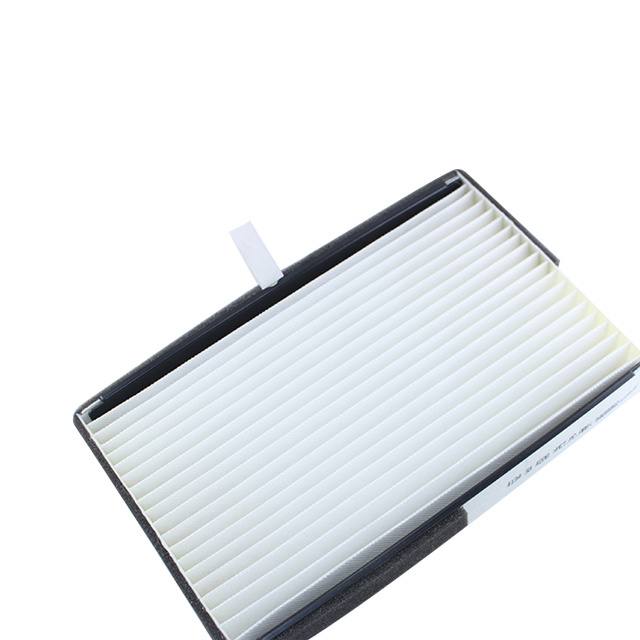
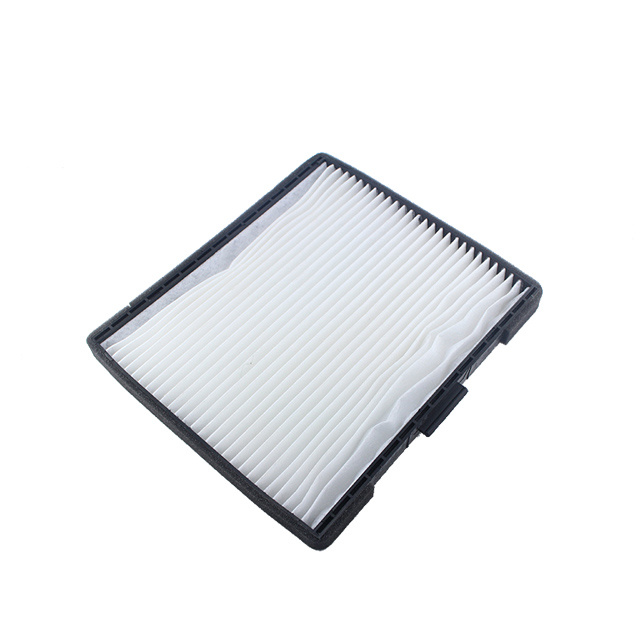
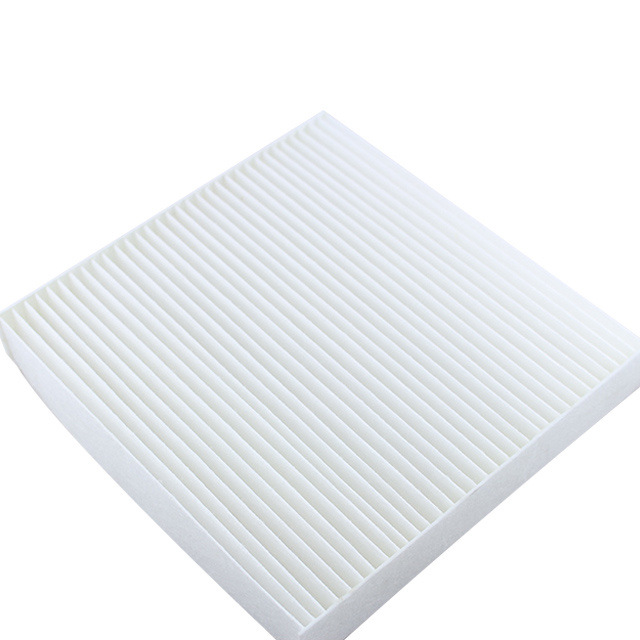
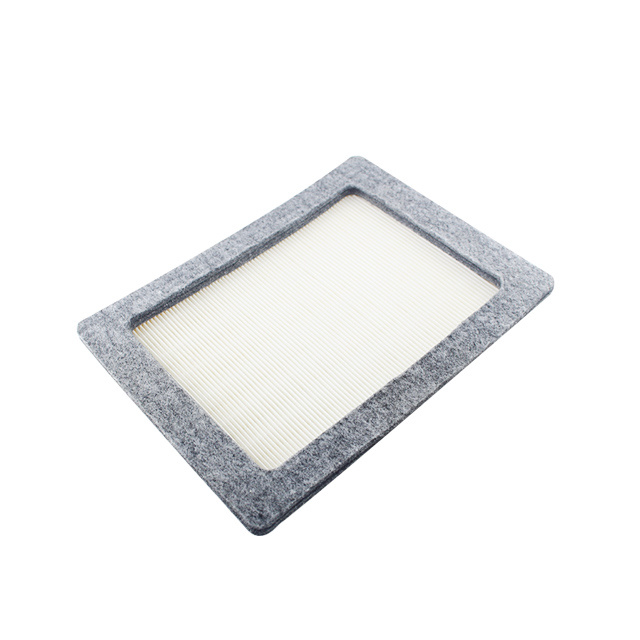
Pleated filters offer improved filtration by trapping smaller particles. They are more efficient than fiberglass filters and are an excellent choice for industries where air quality is a priority.
3.3 Electrostatic Filters
Electrostatic filters use an electrostatic charge to attract and capture particles. They are effective at filtering out allergens and can be washable or disposable, providing long-term cost efficiency.
3.4 High-Efficiency Particulate Air (HEPA) Filters
HEPA filters are the gold standard in air filtration. They remove up to 99.97% of particles as small as 0.3 microns, making them ideal for industries that require the highest level of air purity, such as pharmaceutical or electronics manufacturing.
3.5 Activated Carbon Filters
Activated carbon filters excel at removing odors, chemicals, and gases from the air. They are commonly used in industries where strong odors or volatile organic compounds (VOCs) are present.
4. Factors to Consider When Choosing an Air Conditioning Filter
4.1 Air Quality Requirements
Assess your facility's air quality needs based on the type of industry and the presence of airborne contaminants. Consider regulatory requirements, employee health concerns, and the sensitivity of equipment to dust and pollutants.
4.2 Equipment Compatibility
Ensure the selected filter is compatible with your air conditioning system. Consider factors such as filter size, airflow requirements, and installation compatibility.
4.3 Filter Efficiency Ratings
Look for filters with higher Minimum Efficiency Reporting Value (MERV) ratings for improved particle removal. Higher MERV ratings indicate greater filtration efficiency, but it is essential to balance filtration capacity with airflow resistance to prevent system strain.
4.4 Filter Lifespan and Replacement Frequency
Consider the lifespan of the filter and the recommended replacement frequency. Some filters require more frequent replacement, while others offer extended usage periods, reducing maintenance costs.
4.5 Budget Considerations
Evaluate the cost-effectiveness of different filter options. While higher-quality filters may have a higher upfront cost, they can lead to long-term savings through improved air quality, reduced equipment maintenance, and increased energy efficiency.
5. Common FAQs About Air Conditioning Filters
5.1 What is MERV rating?
MERV rating stands for Minimum Efficiency Reporting Value and indicates a filter's effectiveness at capturing particles of different sizes. Higher MERV ratings indicate better filtration performance.
5.2 How often should I replace my air conditioning filter?
The frequency of filter replacement depends on multiple factors, including filter type, air quality, and usage. Most filters require replacement every 1 to 3 months, but it is essential to refer to the manufacturer's recommendations.
5.3 Can I reuse or wash air conditioning filters?
Some filters, such as electrostatic filters, can be washed and reused. However, most disposable filters are not designed for reuse. Washing filters incorrectly or using damaged ones can compromise their efficiency.
5.4 Can using a higher MERV-rated filter improve air quality?
Using a higher MERV-rated filter can improve air quality by capturing smaller particles. However, it is crucial to consider the airflow resistance and compatibility with your system to prevent strain and inefficiencies.
5.5 Are electrostatic filters better than pleated filters?
Electrostatic filters and pleated filters serve different purposes. Electrostatic filters are effective at capturing smaller particles and can be washable, while pleated filters offer improved filtration efficiency. The choice depends on your specific air quality needs and maintenance preferences.
6. Conclusion
Choosing the right air conditioning filter for your industrial needs is a critical decision that impacts air quality, equipment performance, and overall operational efficiency. By understanding the different types of filters, assessing your specific requirements, and considering essential factors, you can make an informed choice that optimizes the performance of your air conditioning system and ensures a healthier, cleaner environment for your employees. Invest in the right filter today and experience the benefits it brings to your industrial facility.
Key words:

* Please Enter Keywords
The company is mainly engaged in the manufacture and sale of auto parts and accessories in the automobile manufacturing industry, the manufacture and sale of automobile rubber products, and the import and export of auto parts.