

 Esperanto
 Shqiptare
 Euskara
 Zulu
Zulu
 Latinus
 Cymraeg
 தமிழ்
தமிழ்
 Slovak
 Slovak
 Afrikaans
Focus On Hot Spots
Contact Info
E-mail: txgs@taixifilter.com
Manager Xu: +86-15097925576
Manager Feng: +86-15803195413
Address: North side of Caiyuan Village, Gexianzhuang Town, Qinghe County, Xingtai City, Hebei Province (No. 250)
Understanding Air Conditioning Filters: A Guide for Industrial Equipment and Component Professionals
Release Time:
Jan 05,2024
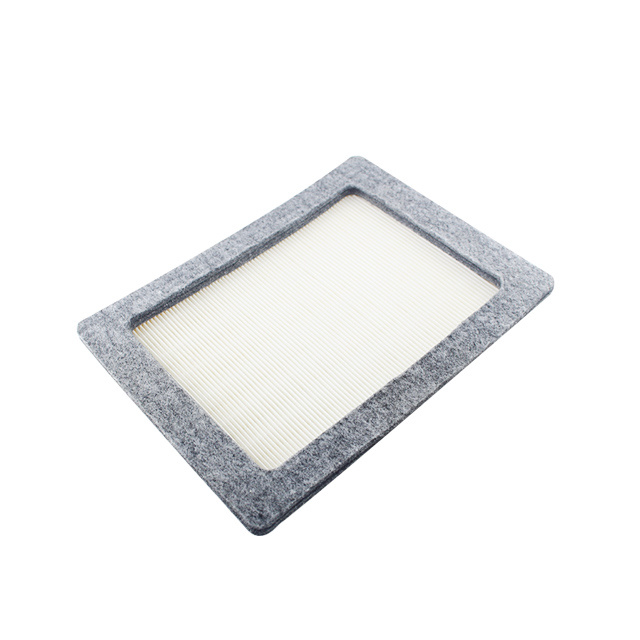
Air conditioning filters play a crucial role in maintaining the performance and longevity of industrial equipment. As a professional in the industrial equipment and component industry, understanding the importance of air conditioning filters and their related information is essential for providing top-notch service to your clients. 1. Types of Air Conditioning Filters: Air conditioning filters com
1. Types of Air Conditioning Filters:
Air conditioning filters come in various types, each designed for specific purposes. Some common types include:
- Fiberglass Filters: These disposable filters are cost-effective and capture large particles effectively.
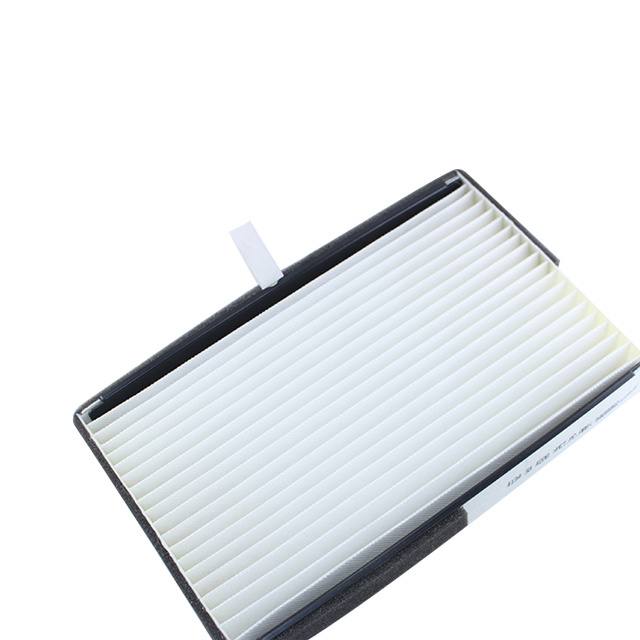
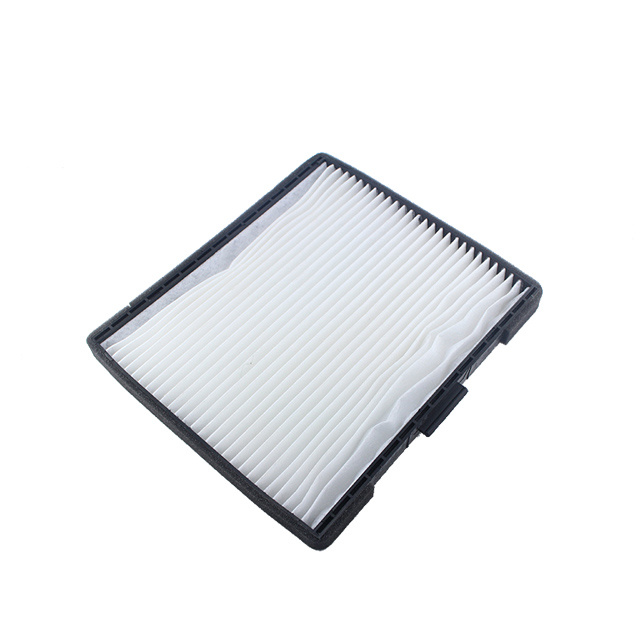
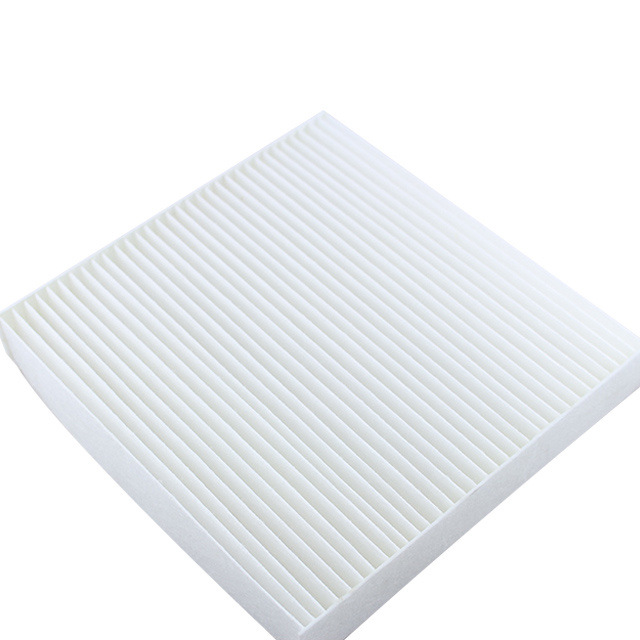
- Pleated Filters: Known for their high efficiency, pleated filters have a larger surface area, improving filtration and airflow.
- Electrostatic Filters: These filters use an electric charge to attract and capture airborne particles.
- High-Efficiency Particulate Air (HEPA) Filters: HEPA filters are highly efficient, removing 99.97% of particles as small as 0.3 microns.
2. Factors Affecting Filter Efficiency:
When assisting clients, it is crucial to explain the factors that impact the efficiency of air conditioning filters:
- MERV Rating: The Minimum Efficiency Reporting Value (MERV) indicates a filter's effectiveness in capturing particles. Higher MERV ratings signify better filtration.
- Filter Material: Filters made of high-quality materials like synthetic fibers offer improved performance and durability.
- Filter Thickness: Thicker filters generally have higher efficiency as they provide more surface area for capturing particles.
3. Filter Maintenance and Replacement:
Educating clients about proper filter maintenance is vital for optimizing equipment performance:
- Regular Cleaning: Filters should be cleaned or replaced according to manufacturers' recommendations to prevent clogging and maintain efficiency.
- Inspection: Encourage clients to inspect filters regularly for signs of damage or excessive dirt accumulation.
- Replacement Schedule: Develop a filter replacement schedule based on the equipment's usage and environmental factors.
4. Benefits of Using Quality Filters:
Highlight the advantages of using high-quality air conditioning filters to your clients:
- Improved Indoor Air Quality: Quality filters trap dust, allergens, and other pollutants, enhancing the air quality within industrial spaces.
- Equipment Protection: Efficient filters prevent dirt and debris from entering equipment, reducing the risk of damage and extending its lifespan.
- Energy Efficiency: Clean filters promote better airflow, reducing strain on the system and lowering energy consumption.
- Compliance with Regulations: Quality filters help businesses meet industry standards and regulatory requirements.
Remember, as a professional, it's important to stay updated on advancements in air conditioning filter technology and industry best practices. By providing valuable technical knowledge without pricing, brand, or commitment details, you can position yourself as a trusted advisor in the industrial equipment and component industry.
Key words:

* Please Enter Keywords
The company is mainly engaged in the manufacture and sale of auto parts and accessories in the automobile manufacturing industry, the manufacture and sale of automobile rubber products, and the import and export of auto parts.