

 Esperanto
 Shqiptare
 Euskara
 Zulu
Zulu
 Latinus
 Cymraeg
 தமிழ்
தமிழ்
 Slovak
 Slovak
 Afrikaans
Focus On Hot Spots

Contact Info
E-mail: txgs@taixifilter.com
Manager Xu: +86-15097925576
Manager Feng: +86-15803195413
Address: North side of Caiyuan Village, Gexianzhuang Town, Qinghe County, Xingtai City, Hebei Province (No. 250)
Maximizing Equipment Lifespan with High-Quality Industrial Air Filters
Release Time:
Jan 05,2024
Table of Contents: 1. Introduction: The Importance of Industrial Air Filters 2. How Industrial Air Filters Work 3. The Benefits of High-Quality Industrial Air Filters 4. Selecting the Right Industrial Air Filters 5. Maintaining Industrial Air Filters for Optimal Performance 6. Common FAQs about Industrial Air Filters - FAQ 1: How often should industrial air filters be replaced? - FAQ 2: Can
1. Introduction: The Importance of Industrial Air Filters
2. How Industrial Air Filters Work
3. The Benefits of High-Quality Industrial Air Filters
4. Selecting the Right Industrial Air Filters
5. Maintaining Industrial Air Filters for Optimal Performance
6. Common FAQs about Industrial Air Filters
- FAQ 1: How often should industrial air filters be replaced?
- FAQ 2: Can I clean and reuse industrial air filters?
- FAQ 3: What are the signs of a clogged air filter?
- FAQ 4: Are there different types of industrial air filters?
- FAQ 5: Can industrial air filters prevent equipment breakdown?
7. Conclusion: Protecting Your Equipment with High-Quality Industrial Air Filters
1. Introduction: The Importance of Industrial Air Filters
Industrial equipment is the backbone of many industries, enabling businesses to operate efficiently and meet production demands. However, these machines are susceptible to various types of damage, including contamination from airborne particles. This is where industrial air filters play a crucial role in extending the lifespan of your equipment.
2. How Industrial Air Filters Work
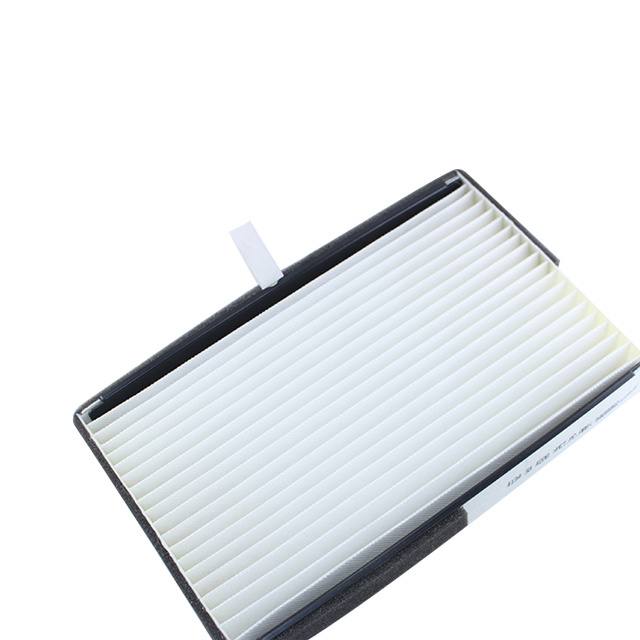
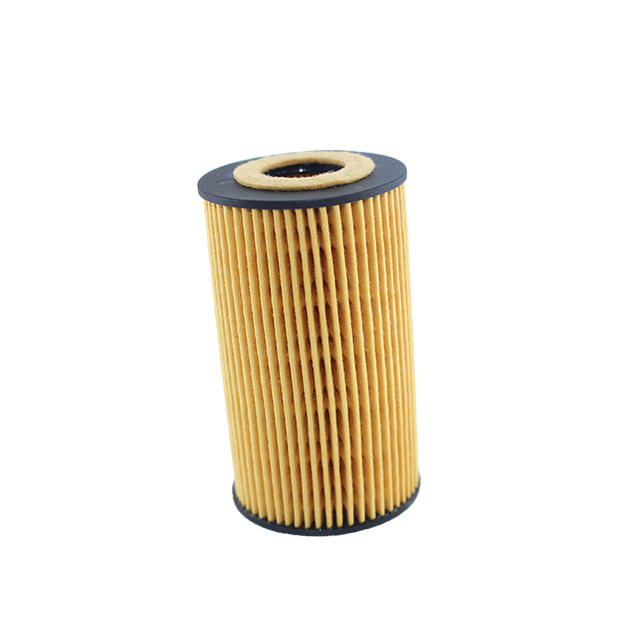
Industrial air filters are specifically designed to remove impurities from the air, ensuring clean and debris-free air is supplied to your equipment. These filters capture dust, pollen, bacteria, and other harmful particles, preventing them from entering sensitive components and causing damage. By effectively filtering the air, industrial air filters maintain optimal performance and protect your equipment from premature wear and tear.
3. The Benefits of High-Quality Industrial Air Filters
Investing in high-quality industrial air filters offers numerous benefits for both your equipment and your business. Here are some key advantages:
- Improved Air Quality: By removing contaminants from the air, industrial air filters enhance the overall air quality in your facility. This creates a healthier and safer work environment for your employees, reducing the risk of respiratory issues and improving productivity.
- Enhanced Equipment Performance: Clean air is essential for the efficient operation of industrial machinery. High-quality filters ensure the delivery of clean air, allowing your equipment to perform at its best without the hindrance of dirt or debris. This leads to increased productivity and reduced downtime.
- Cost Savings: Regularly replacing or cleaning industrial air filters can significantly reduce maintenance costs. When filters are clogged or dirty, equipment is forced to work harder to overcome airflow restrictions, resulting in increased energy consumption and potential breakdowns. Using high-quality filters can help minimize energy consumption and extend the lifespan of your equipment, reducing maintenance and replacement costs.
- Equipment Protection: Airborne contaminants can cause irreversible damage to sensitive components within your equipment. By effectively removing these particles, industrial air filters act as a barrier, protecting your machinery from premature wear and expensive repairs.
4. Selecting the Right Industrial Air Filters
Choosing the right industrial air filters is crucial to ensure optimal performance and equipment longevity. Consider the following factors when selecting filters:
- Filter Efficiency: Look for filters with high-efficiency ratings that can effectively capture a wide range of particles. Understanding the Minimum Efficiency Reporting Value (MERV) can help you determine the filter's efficiency level and its suitability for your specific requirements.
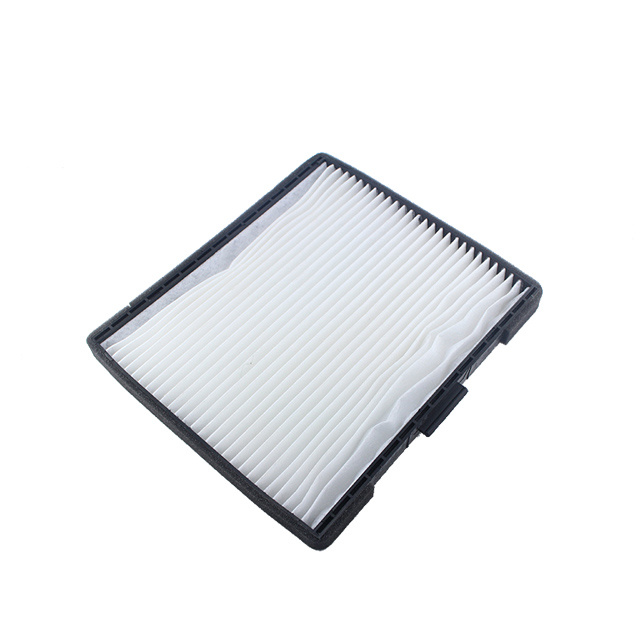
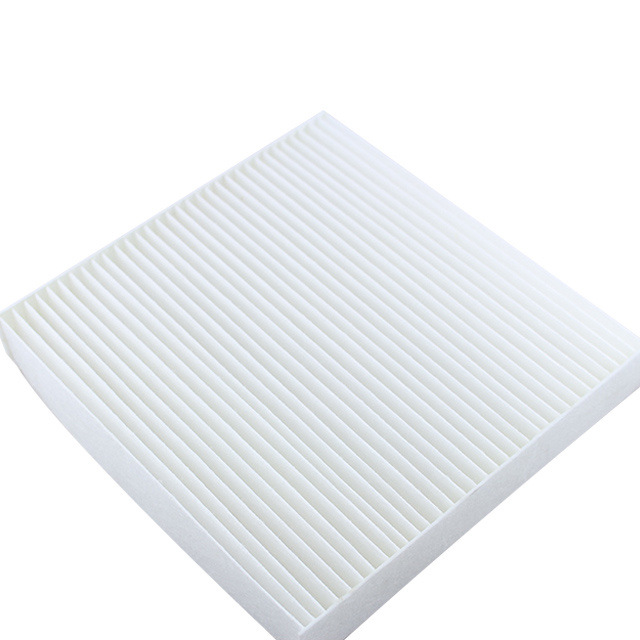
- Filter Type: There are various types of industrial air filters available, including pleated filters, bag filters, and HEPA filters. Assess your equipment's needs and industry standards to select the most appropriate filter type.
- Proper Sizing: Ensure the filters are correctly sized to fit your equipment's air intake system. Ill-fitting filters can result in bypassing and reduced filtration efficiency.
5. Maintaining Industrial Air Filters for Optimal Performance
Regular maintenance is essential to maximize the lifespan and effectiveness of your industrial air filters. Follow these tips to ensure optimal performance:
- Regular Inspections: Routinely inspect filters for signs of damage or clogging. Replace or clean filters as recommended by the manufacturer or based on inspection results.
- Timely Replacements: Replace filters at the recommended intervals to prevent airflow restrictions and maintain optimal filtration efficiency.
- Cleaning Procedures: If applicable, follow proper cleaning procedures for reusable filters. Use manufacturer-recommended cleaning solutions and techniques to remove accumulated dirt or debris.
- Record Keeping: Maintain a record of filter replacements and cleaning schedules to ensure timely maintenance and track the lifespan of each filter.
6. Common FAQs about Industrial Air Filters
FAQ 1: How often should industrial air filters be replaced?
The frequency of filter replacements depends on several factors, including the type of filter, the environment, and the manufacturer's recommendations. It is generally recommended to replace filters every three to six months or as indicated by pressure drop measurements.
FAQ 2: Can I clean and reuse industrial air filters?
Some industrial air filters can be cleaned and reused, while others are designed for single-use only. Refer to the manufacturer's instructions for proper cleaning procedures and determine if the filters are reusable.
FAQ 3: What are the signs of a clogged air filter?
Common signs of a clogged air filter include reduced airflow, increased energy consumption, decreased equipment performance, and visible dirt or debris on the filter surface.
FAQ 4: Are there different types of industrial air filters?
Yes, there are various types of industrial air filters, including pleated filters, bag filters, carbon filters, and HEPA filters. Each type offers different filtration capabilities and is suitable for specific applications.
FAQ 5: Can industrial air filters prevent equipment breakdown?
Using high-quality industrial air filters can significantly reduce the risk of equipment breakdowns by preventing the entry of damaging particles. Clean air helps maintain optimal performance and protects sensitive components from premature wear and damage.
7. Conclusion: Protecting Your Equipment with High-Quality Industrial Air Filters
Investing in high-quality industrial air filters is a wise decision for any business that relies on industrial equipment. By effectively filtering the air, these filters improve air quality, enhance equipment performance, reduce maintenance costs, and ensure the longevity of your valuable machinery. Selecting the right filters and maintaining them properly will help you maximize the lifespan of your equipment, minimize downtime, and achieve optimal operational efficiency. Protect your investments and prioritize equipment longevity with high-quality industrial air filters.
Key words:

* Please Enter Keywords
The company is mainly engaged in the manufacture and sale of auto parts and accessories in the automobile manufacturing industry, the manufacture and sale of automobile rubber products, and the import and export of auto parts.