

 Esperanto
 Shqiptare
 Euskara
 Zulu
Zulu
 Latinus
 Cymraeg
 தமிழ்
தமிழ்
 Slovak
 Slovak
 Afrikaans
Focus On Hot Spots
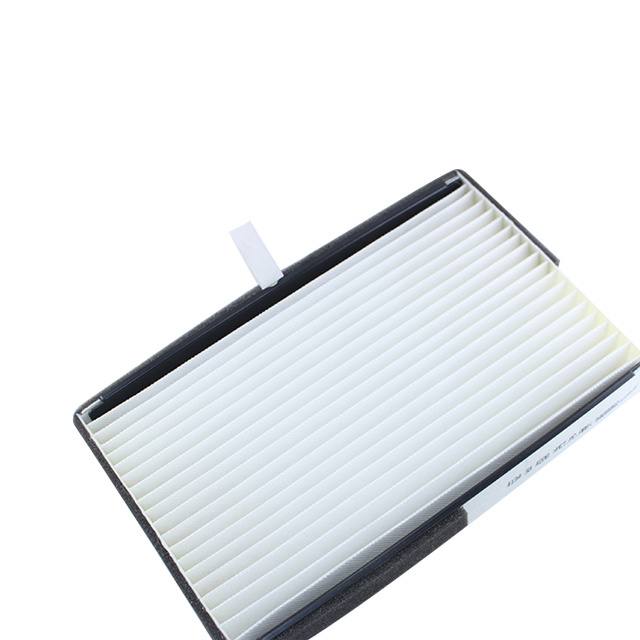
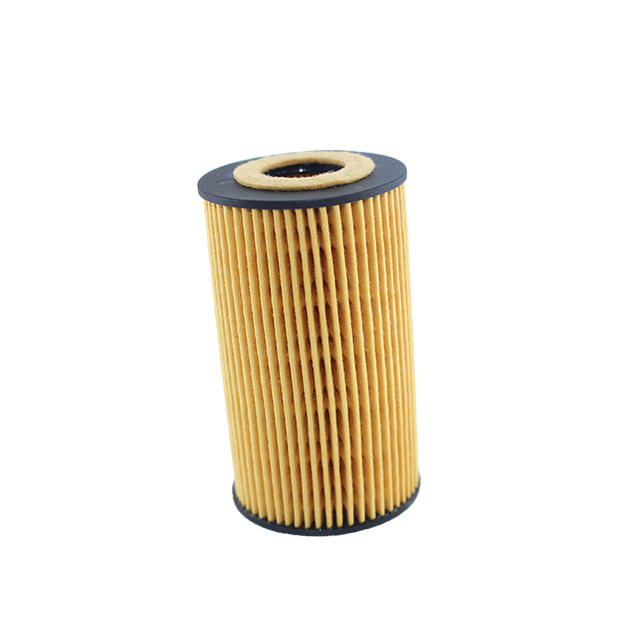
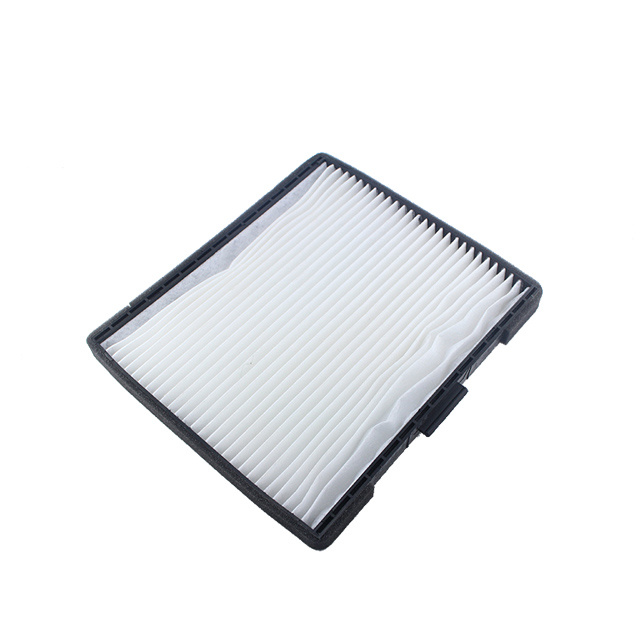
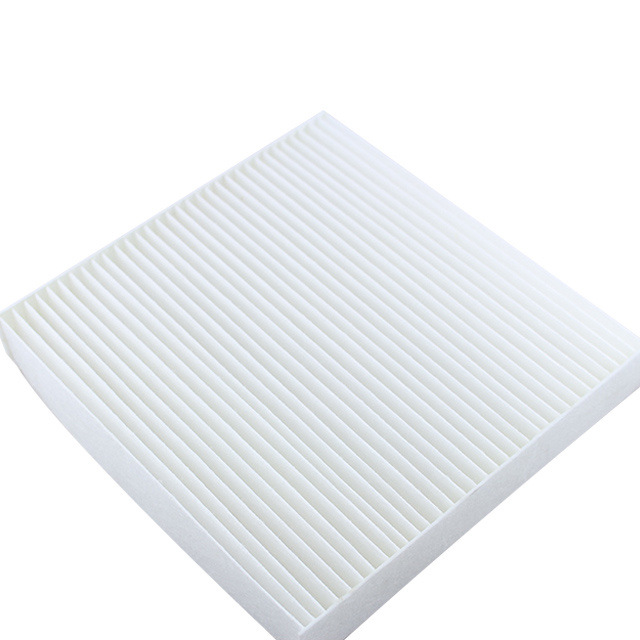

Contact Info
E-mail: txgs@taixifilter.com
Manager Xu: +86-15097925576
Manager Feng: +86-15803195413
Address: North side of Caiyuan Village, Gexianzhuang Town, Qinghe County, Xingtai City, Hebei Province (No. 250)
Why Investing in High-Efficiency Air Filters is Crucial for Industrial Operations
Release Time:
Jan 07,2024
Table of Contents: 1. Introduction 2. Understanding the significance of air filters in industrial operations 3. Benefits of investing in high-efficiency air filters 4. How high-efficiency air filters improve air quality 5. Reducing maintenance costs with high-efficiency air filters 6. Enhancing equipment performance with high-efficiency air filters 7. Ensuring employee health and safety with high-
1. Introduction
2. Understanding the significance of air filters in industrial operations
3. Benefits of investing in high-efficiency air filters
4. How high-efficiency air filters improve air quality
5. Reducing maintenance costs with high-efficiency air filters
6. Enhancing equipment performance with high-efficiency air filters
7. Ensuring employee health and safety with high-efficiency air filters
8. FAQs
9. Conclusion
1. Introduction
Industrial operations heavily rely on the functionality of various equipment and machinery. However, maintaining optimal air quality is often overlooked, despite its crucial role in sustaining a safe and efficient working environment. In this article, we will delve into the significance of investing in high-efficiency air filters for industrial operations and explore the numerous benefits they offer.
2. Understanding the significance of air filters in industrial operations
Air filters play a vital role in industrial operations by trapping airborne contaminants, such as dust, pollen, mold spores, and harmful particles. These contaminants can have detrimental effects on both the equipment and the health of employees. By installing high-efficiency air filters, industrial facilities can effectively improve air quality and minimize potential risks.
3. Benefits of investing in high-efficiency air filters
Investing in high-efficiency air filters brings several advantages to industrial operations. These filters are designed to remove a higher percentage of contaminants, ensuring cleaner air within the facility. The benefits include improved air quality, reduced maintenance costs, enhanced equipment performance, and enhanced health and safety of employees.
4. How high-efficiency air filters improve air quality
High-efficiency air filters are specifically engineered to capture even the smallest particles present in the air. They effectively trap dust, pollen, bacteria, and other allergens, preventing them from circulating within the facility. By removing these contaminants, high-efficiency air filters significantly improve air quality, creating a healthier and more productive work environment.
5. Reducing maintenance costs with high-efficiency air filters
Industrial equipment, such as HVAC systems and machinery, is prone to damage caused by dust and other airborne particles. Regular maintenance and filter replacements can be costly and time-consuming. However, by investing in high-efficiency air filters, facility managers can minimize the accumulation of contaminants, reducing the frequency of maintenance and extending the lifespan of equipment. This ultimately leads to significant cost savings in the long run.
6. Enhancing equipment performance with high-efficiency air filters
Airborne contaminants can negatively impact the performance and efficiency of industrial equipment. Dust and debris can clog filters, obstruct ventilation systems, and compromise the overall functionality of machinery. High-efficiency air filters prevent the accumulation of these particles, ensuring optimal performance and enhancing the longevity of equipment. By maintaining clean and efficient systems, industrial operations can experience improved productivity and reduced downtime.
7. Ensuring employee health and safety with high-efficiency air filters
Industrial operations involve the presence of various pollutants that can pose risks to employee health and safety. Poor air quality can lead to respiratory issues, allergies, and other health problems, ultimately impacting productivity and morale. High-efficiency air filters remove harmful particles from the air, creating a healthier work environment and reducing the likelihood of respiratory illnesses among employees. By prioritizing the well-being of their workforce, industrial facilities can foster a safer and more conducive workplace.
8. FAQs
Q1: How often should high-efficiency air filters be replaced?
A1: The frequency of filter replacements depends on various factors, including the type of industry, the level of airborne contaminants, and the manufacturer's recommendations. It is recommended to consult with air filter experts to determine an appropriate replacement schedule.
Q2: Are high-efficiency air filters compatible with all industrial equipment?
A2: High-efficiency air filters come in various sizes and specifications to accommodate different industrial equipment. It is crucial to ensure compatibility by consulting the equipment manufacturer or an air filter specialist.
Q3: Can high-efficiency air filters reduce energy consumption?
A3: Yes, high-efficiency air filters can contribute to energy savings. By allowing equipment to operate at optimal efficiency, these filters can reduce the energy consumption of ventilation systems, resulting in lower utility costs.
Q4: Are high-efficiency air filters cost-effective in the long run?
A4: Despite their initial higher cost compared to standard filters, high-efficiency air filters offer long-term cost savings. By reducing maintenance requirements, extending equipment lifespan, and improving energy efficiency, they prove to be a cost-effective investment for industrial operations.
Q5: How do high-efficiency air filters contribute to sustainability efforts?
A5: High-efficiency air filters promote sustainability by reducing environmental impact. By effectively capturing contaminants, they prevent harmful particles from being released into the atmosphere, contributing to a cleaner and greener environment.
9. Conclusion
Investing in high-efficiency air filters is crucial for industrial operations seeking to improve air quality, reduce maintenance costs, enhance equipment performance, and prioritize the health and safety of employees. With their ability to efficiently capture airborne contaminants, these filters provide numerous benefits that contribute to a more productive and sustainable work environment. By recognizing the significance of air filters and taking proactive measures, industrial facilities can optimize their operations and create a safer and healthier workplace for all.
Key words:

* Please Enter Keywords
The company is mainly engaged in the manufacture and sale of auto parts and accessories in the automobile manufacturing industry, the manufacture and sale of automobile rubber products, and the import and export of auto parts.