

 Esperanto
 Shqiptare
 Euskara
 Zulu
Zulu
 Latinus
 Cymraeg
 தமிழ்
தமிழ்
 Slovak
 Slovak
 Afrikaans
Focus On Hot Spots
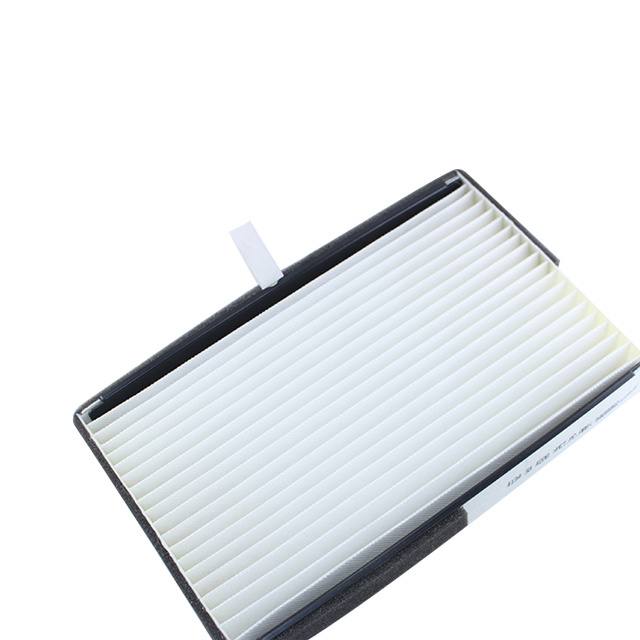
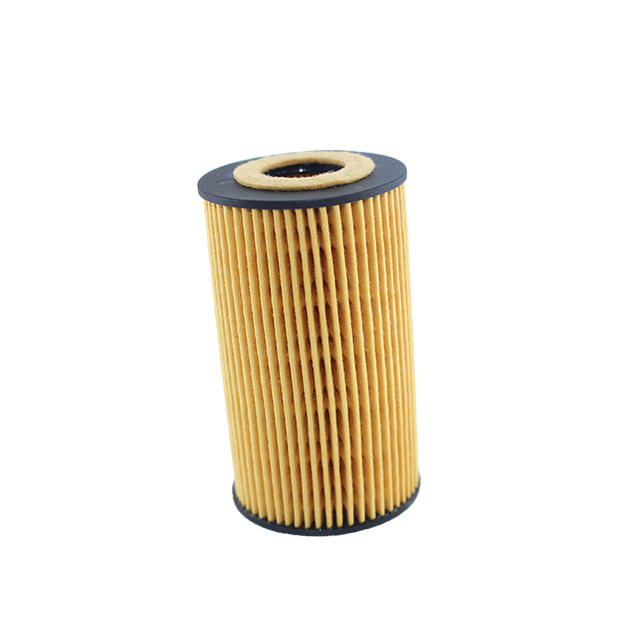
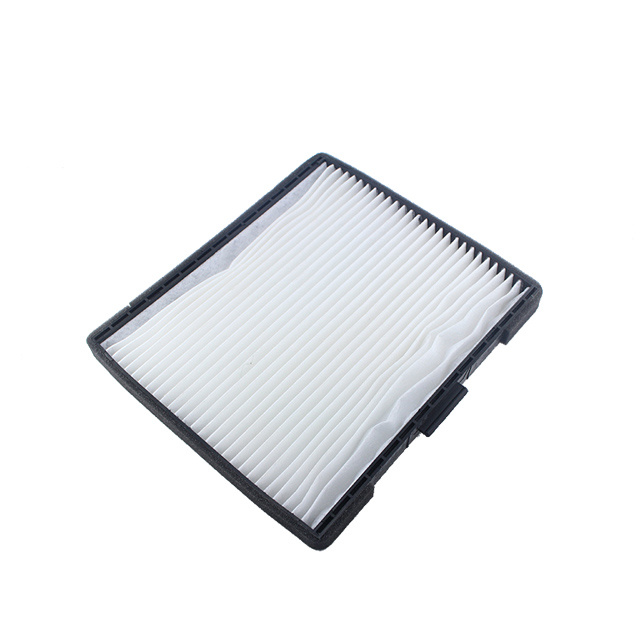
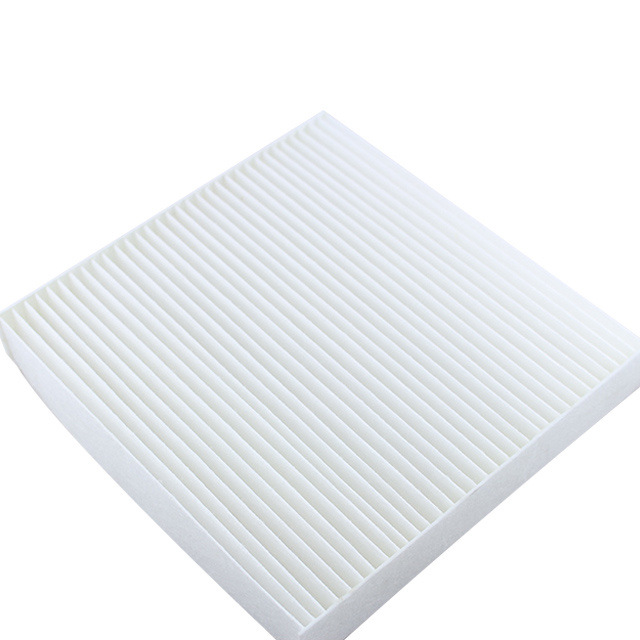
Contact Info
E-mail: txgs@taixifilter.com
Manager Xu: +86-15097925576
Manager Feng: +86-15803195413
Address: North side of Caiyuan Village, Gexianzhuang Town, Qinghe County, Xingtai City, Hebei Province (No. 250)
Common Mistakes to Avoid When Installing or Replacing an Oil Filter
Release Time:
Jan 07,2024
Table of Contents: 1. Introduction 2. Importance of Proper Oil Filter Installation 3. Common Mistake 1: Using the Wrong Oil Filter 4. Common Mistake 2: Failure to Lubricate the Oil Filter Gasket 5. Common Mistake 3: Over-tightening or Under-tightening the Oil Filter 6. Common Mistake 4: Ignoring the Filter Change Interval 7. Common Mistake 5: Incorrect Filter Orientation 8. Common Mistake 6: Not F
1. Introduction
2. Importance of Proper Oil Filter Installation
3. Common Mistake 1: Using the Wrong Oil Filter
4. Common Mistake 2: Failure to Lubricate the Oil Filter Gasket
5. Common Mistake 3: Over-tightening or Under-tightening the Oil Filter
6. Common Mistake 4: Ignoring the Filter Change Interval
7. Common Mistake 5: Incorrect Filter Orientation
8. Common Mistake 6: Not Following Manufacturer's Instructions
9. Common Mistake 7: Reusing Old Oil Filters
10. Common Mistake 8: Neglecting to Clean the Filter Housing
11. Frequently Asked Questions (FAQs)
12. Conclusion
1. Introduction
Properly installing or replacing an oil filter is essential for the efficient operation and longevity of industrial equipment and components. By avoiding common mistakes during this process, you can ensure optimal performance and prevent potential damage. In this article, we will discuss the most common mistakes to avoid when installing or replacing an oil filter.
2. Importance of Proper Oil Filter Installation
The oil filter plays a crucial role in maintaining the cleanliness of the oil that circulates through your industrial equipment. It removes contaminants, such as dirt, metal particles, and sludge, which can cause excessive wear and tear on critical components. Therefore, it is vital to install the oil filter correctly to ensure effective filtration and prevent potential issues.
3. Common Mistake 1: Using the Wrong Oil Filter
Using the wrong oil filter is a common mistake that can lead to inadequate filtration or improper fit. Each industrial equipment or component requires a specific type and size of oil filter. Using an incompatible filter can result in reduced oil flow, increased pressure drop, or even damage to the equipment. Always refer to the manufacturer's specifications to select the correct oil filter for your application.
4. Common Mistake 2: Failure to Lubricate the Oil Filter Gasket
The oil filter has a rubber gasket that creates a tight seal between the filter and the engine block. Failing to lubricate the gasket before installation can cause it to stick or tear, leading to oil leaks. Apply a thin layer of clean oil to the gasket to ensure proper sealing and prevent potential issues.
5. Common Mistake 3: Over-tightening or Under-tightening the Oil Filter
Properly tightening the oil filter is crucial to prevent leaks and ensure a secure fit. Over-tightening can damage the filter or the housing, while under-tightening can result in oil leaks. Use a filter wrench to tighten the filter to the manufacturer's recommended torque specification. This will help maintain a proper seal without causing damage.
6. Common Mistake 4: Ignoring the Filter Change Interval
Regularly changing the oil filter is essential for maintaining optimal filtration efficiency. Neglecting to replace the filter within the recommended interval can result in clogged or saturated filter media, leading to reduced oil flow and increased pressure drop. Follow the manufacturer's recommendations for filter change intervals to ensure proper maintenance.
7. Common Mistake 5: Incorrect Filter Orientation
Installing the oil filter in the wrong orientation can disrupt the oil flow and compromise filtration efficiency. Always check the arrows or markings on the filter for proper installation direction. Incorrect orientation can lead to inadequate lubrication, increased wear, and potential damage to critical components.
8. Common Mistake 6: Not Following Manufacturer's Instructions
Each oil filter may have specific installation instructions provided by the manufacturer. Failure to follow these instructions can result in improper installation and potential issues. Always refer to the manufacturer's guidelines to ensure correct installation and proper filtration.
9. Common Mistake 7: Reusing Old Oil Filters
Reusing old oil filters is a mistake that compromises filtration efficiency and can introduce contaminants into the system. Even if the filter appears clean, microscopic particles can accumulate over time, affecting filtration performance. Always use a new filter during oil changes to maintain optimal filtration.
10. Common Mistake 8: Neglecting to Clean the Filter Housing
Before installing a new oil filter, it is crucial to clean the filter housing thoroughly. Residual oil, debris, or old gasket material can accumulate and affect the seal or contaminate the new filter. Use a lint-free cloth or appropriate cleaning agent to remove any dirt or debris from the housing before installing the new filter.
11. Frequently Asked Questions (FAQs)
Q1: How often should I change the oil filter?
Q2: Can I use a different brand of oil filter for my industrial equipment?
Q3: What happens if I install the oil filter in the wrong orientation?
Q4: Can I reuse the old oil filter after cleaning it?
Q5: Is it necessary to lubricate the oil filter gasket before installation?
12. Conclusion
Properly installing or replacing an oil filter is crucial for maintaining the performance and longevity of industrial equipment and components. By avoiding common mistakes such as using the wrong filter, failure to lubricate the gasket, over-tightening or under-tightening, ignoring filter change intervals, incorrect orientation, not following manufacturer's instructions, reusing old filters, and neglecting to clean the filter housing, you can prevent potential issues and ensure efficient filtration. Regularly refer to the manufacturer's guidelines and specifications to guarantee proper installation and optimal performance of your oil filter.
Key words:

* Please Enter Keywords
The company is mainly engaged in the manufacture and sale of auto parts and accessories in the automobile manufacturing industry, the manufacture and sale of automobile rubber products, and the import and export of auto parts.