

 Esperanto
 Shqiptare
 Euskara
 Zulu
Zulu
 Latinus
 Cymraeg
 தமிழ்
தமிழ்
 Slovak
 Slovak
 Afrikaans
Focus On Hot Spots

Contact Info
E-mail: txgs@taixifilter.com
Manager Xu: +86-15097925576
Manager Feng: +86-15803195413
Address: North side of Caiyuan Village, Gexianzhuang Town, Qinghe County, Xingtai City, Hebei Province (No. 250)
Key Factors to Consider When Selecting an Oil Filter for Heavy-Duty Industrial Use
Release Time:
Jan 07,2024
Table of Contents: 1. Introduction - The Importance of Choosing the Right Oil Filter 2. Understanding the Role of Oil Filters in Heavy-Duty Industrial Equipment 3. Filtration Efficiency - Ensuring Clean and Pure Oil 4. Compatibility with Machinery - Finding the Perfect Fit 5. Durability and Longevity - Protecting Your Equipment Investment 6. Maintenance and Replacement - Cost-Effective and Efficie
1. Introduction - The Importance of Choosing the Right Oil Filter
2. Understanding the Role of Oil Filters in Heavy-Duty Industrial Equipment
3. Filtration Efficiency - Ensuring Clean and Pure Oil
4. Compatibility with Machinery - Finding the Perfect Fit
5. Durability and Longevity - Protecting Your Equipment Investment
6. Maintenance and Replacement - Cost-Effective and Efficient Practices
7. Environmental Considerations - Being Eco-Friendly
8. Frequently Asked Questions (FAQs)
9. Conclusion
1. Introduction - The Importance of Choosing the Right Oil Filter
Selecting the appropriate oil filter is crucial for heavy-duty industrial use. This article aims to guide you through the key factors to consider, ensuring that your equipment operates at its peak performance and remains protected from contaminants.
2. Understanding the Role of Oil Filters in Heavy-Duty Industrial Equipment
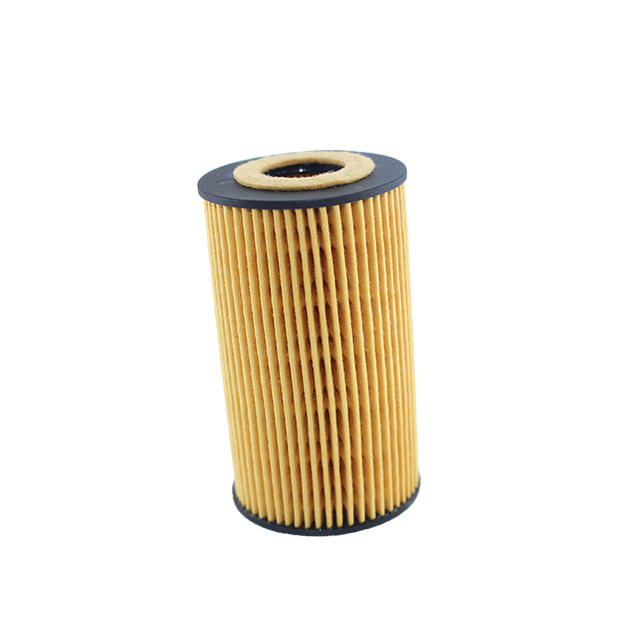
Oil filters play a vital role in heavy-duty industrial equipment by removing impurities and contaminants from the lubricating oil. These impurities can include dirt, metal particles, and other harmful substances that can significantly impact the performance and lifespan of the machinery. An effective oil filter prevents these contaminants from circulating throughout the system, ensuring optimal operation and reducing the risk of mechanical failure.
3. Filtration Efficiency - Ensuring Clean and Pure Oil
Filtration efficiency is a critical factor when selecting an oil filter for heavy-duty industrial use. The filter should be capable of removing the smallest particles that can cause abrasive wear and damage to the equipment. Look for filters with a high micron rating to ensure efficient removal of impurities and a clean, pure oil supply to your machinery.
4. Compatibility with Machinery - Finding the Perfect Fit
When choosing an oil filter, it is essential to consider its compatibility with your specific heavy-duty industrial equipment. Ensure that the filter is designed to fit your machinery's make and model, and consider any additional requirements or specifications provided by the manufacturer. Using the correct filter will guarantee optimal performance and prevent potential damage to your equipment.
5. Durability and Longevity - Protecting Your Equipment Investment
Investing in a durable and long-lasting oil filter is crucial. Heavy-duty industrial applications place significant stress on equipment, and a filter that can withstand harsh conditions and high flow rates is essential. Look for filters made from high-quality materials and with robust construction to ensure longevity and protection for your valuable machinery.
6. Maintenance and Replacement - Cost-Effective and Efficient Practices
Regular maintenance and timely replacement of oil filters are essential for the continuous operation of heavy-duty industrial equipment. It is crucial to follow the manufacturer's recommendations regarding filter change intervals and maintenance procedures. Implementing a proactive maintenance schedule and using high-quality filters will save costs in the long run by preventing unscheduled downtime and minimizing the risk of equipment failure.
7. Environmental Considerations - Being Eco-Friendly
In today's environmentally conscious world, it is important to consider the ecological impact of the oil filters you choose. Look for filters that are designed with eco-friendly materials or have recycling programs in place. Opting for environmentally responsible filters not only reduces your carbon footprint but also aligns with sustainable practices.
8. Frequently Asked Questions (FAQs)
1. What is the ideal micron rating for an oil filter in heavy-duty industrial applications?
2. How often should oil filters be replaced in heavy-duty industrial equipment?
3. Can I use any oil filter for my heavy-duty machinery, or should I stick to the manufacturer's recommendations?
4. Are there any additional maintenance steps to consider when using oil filters in extreme operating conditions?
5. What are the benefits of using eco-friendly oil filters?
9. Conclusion
Choosing the right oil filter for heavy-duty industrial use is a critical decision that directly impacts the performance, longevity, and reliability of your equipment. By considering factors such as filtration efficiency, compatibility, durability, maintenance practices, and environmental considerations, you can make an informed choice that ensures optimal operation and protects your machinery investment. Invest in high-quality oil filters and follow recommended maintenance practices to keep your heavy-duty industrial equipment running smoothly for years to come.
Key words:

* Please Enter Keywords
The company is mainly engaged in the manufacture and sale of auto parts and accessories in the automobile manufacturing industry, the manufacture and sale of automobile rubber products, and the import and export of auto parts.