

 Esperanto
 Shqiptare
 Euskara
 Zulu
Zulu
 Latinus
 Cymraeg
 தமிழ்
தமிழ்
 Slovak
 Slovak
 Afrikaans
Focus On Hot Spots
Contact Info
E-mail: txgs@taixifilter.com
Manager Xu: +86-15097925576
Manager Feng: +86-15803195413
Address: North side of Caiyuan Village, Gexianzhuang Town, Qinghe County, Xingtai City, Hebei Province (No. 250)
10 Signs That Indicate Your Oil Filter Needs Immediate Replacement - Keep Your Engine Running Smoothly and Prevent Costly Damage
Release Time:
Jan 08,2024
Table of Contents: 1. Introduction: Importance of a Well-Functioning Oil Filter 2. Headline: 10 Signs That Indicate Your Oil Filter Needs Immediate Replacement 2.1. Low Oil Pressure Warning Light 2.2. Dirty or Dark Engine Oil 2.3. Metallic or Loud Engine Noises 2.4. Poor Fuel Efficiency 2.5. Engine Misfires or Stalling 2.6. Overheating Engine 2.7. Oil Leaks 2.8. Engine Performance
1. Introduction: Importance of a Well-Functioning Oil Filter
2. Headline: 10 Signs That Indicate Your Oil Filter Needs Immediate Replacement
2.1. Low Oil Pressure Warning Light
2.2. Dirty or Dark Engine Oil
2.3. Metallic or Loud Engine Noises
2.4. Poor Fuel Efficiency
2.5. Engine Misfires or Stalling
2.6. Overheating Engine
2.7. Oil Leaks
2.8. Engine Performance Issues
2.9. Exhaust Smoke
2.10. Warning from the Manufacturer
3. Frequently Asked Questions (FAQs)
3.1. How often should I replace my oil filter?
3.2. Can I replace the oil filter myself?
3.3. What happens if I don't replace a faulty oil filter?
3.4. Can a clogged oil filter damage my engine?
3.5. Are there different types of oil filters available?
4. Conclusion: Prioritize Oil Filter Replacement for a Healthy Engine
Introduction: Importance of a Well-Functioning Oil Filter
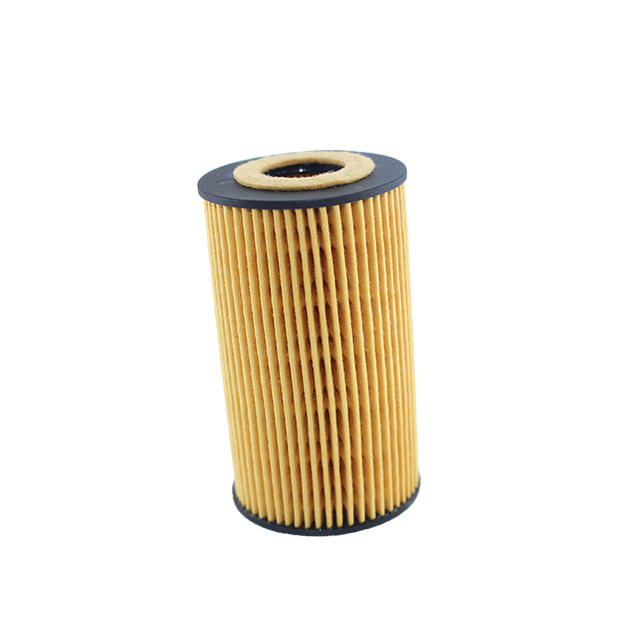
Your vehicle's oil filter plays a crucial role in maintaining the overall health and performance of your engine. By filtering out impurities and contaminants from the engine oil, it ensures that clean oil circulates through the engine, lubricating vital components and reducing friction. Over time, the oil filter can become clogged, leading to decreased filtration efficiency and potential damage to the engine. In this article, we will explore the signs that indicate your oil filter needs immediate replacement to prevent costly repairs and keep your engine running smoothly.
10 Signs That Indicate Your Oil Filter Needs Immediate Replacement
2.1. Low Oil Pressure Warning Light
The low oil pressure warning light is a clear indicator that your oil filter may need replacement. When the oil filter becomes clogged, it restricts oil flow, resulting in lower oil pressure. This warning light typically appears on your dashboard and should not be ignored. If you notice this warning light illuminated, it is essential to check your oil filter and replace it promptly.
2.2. Dirty or Dark Engine Oil
Examine the color and consistency of your engine oil as it can reveal the condition of your oil filter. Clean engine oil is typically amber or light brown in color. However, a clogged or failing oil filter can cause the oil to become dirty or dark. This change in color indicates the presence of contaminants that the oil filter should have removed. If you notice this discoloration, it is a sign that your oil filter is not effectively filtering the oil and needs replacement.
2.3. Metallic or Loud Engine Noises
Unusual engine noises, such as metallic or loud knocking sounds, can indicate a failing oil filter. As the oil filter becomes clogged, it restricts oil flow to critical engine parts, leading to increased friction. This friction can result in abnormal engine noises. If you hear any unfamiliar sounds coming from your engine, it is crucial to address the issue promptly by replacing the oil filter.
2.4. Poor Fuel Efficiency
A deteriorating oil filter can contribute to reduced fuel efficiency. When the filter is clogged, the engine has to work harder to push oil through, leading to increased fuel consumption. If you notice a sudden decrease in your vehicle's gas mileage, it may be a sign that your oil filter is causing inefficient fuel combustion. Replacing the oil filter can help restore optimal fuel efficiency.
2.5. Engine Misfires or Stalling
Engine misfires or stalling can be symptoms of a failing oil filter. A clogged oil filter can disrupt the oil flow, depriving engine components of proper lubrication. This lack of lubrication can result in engine misfires or even complete stalling. If you experience these issues, it is essential to inspect your oil filter and replace it if necessary.
2.6. Overheating Engine
A malfunctioning oil filter can contribute to engine overheating. As the filter becomes clogged, oil flow becomes restricted, leading to inadequate lubrication and increased friction. The excess heat generated by this friction can cause your engine to overheat. If you notice your engine temperature gauge rising or the warning light illuminating, it is crucial to address the issue promptly by replacing the oil filter.
2.7. Oil Leaks
Oil leaks around the oil filter area can indicate a faulty filter that needs immediate attention. A clogged or damaged oil filter can cause oil to leak, compromising the performance and health of your engine. Inspect the area around the oil filter for any signs of oil leakage. If you detect any leaks, it is vital to replace the oil filter promptly to prevent further damage.
2.8. Engine Performance Issues
Degraded engine performance, such as reduced power or sluggish acceleration, can be linked to a failing oil filter. A clogged filter restricts oil flow, negatively impacting engine performance. If you notice a decrease in power or a lack of responsiveness from your engine, it may be time to replace the oil filter to restore optimal performance.
2.9. Exhaust Smoke
Excessive exhaust smoke can be a sign of a failing oil filter that requires immediate attention. When the oil filter is clogged, the engine may burn oil, resulting in smoke emission from the exhaust. If you notice unusually thick or colored smoke coming from your exhaust, it is essential to address the issue promptly by replacing the oil filter.
2.10. Warning from the Manufacturer
Manufacturers often provide recommended maintenance schedules and guidelines, including oil filter replacement intervals. Consult your vehicle's owner manual or contact the manufacturer to understand their specific recommendations regarding oil filter replacement. Following these guidelines can help prevent potential engine damage and maintain your warranty coverage.
3. Frequently Asked Questions (FAQs)
3.1. How often should I replace my oil filter?
The frequency of oil filter replacement can vary depending on your vehicle's make, model, and usage. As a general guideline, it is recommended to replace the oil filter every 3,000 to 7,500 miles or every six months, whichever comes first. However, consult your vehicle's owner manual for the manufacturer's specific recommendations.
3.2. Can I replace the oil filter myself?
Replacing the oil filter can be a relatively simple task for those with basic automotive knowledge and access to the necessary tools. However, if you are uncertain or uncomfortable with performing the replacement yourself, it is recommended to seek professional assistance from a qualified mechanic or service center.
3.3. What happens if I don't replace a faulty oil filter?
Neglecting to replace a faulty oil filter can lead to severe engine damage. A clogged or damaged oil filter can allow contaminants to circulate in the engine, leading to increased friction, reduced lubrication, and potential component failure. Over time, this can result in costly repairs or even complete engine breakdown.
3.4. Can a clogged oil filter damage my engine?
Yes, a clogged oil filter can cause significant damage to your engine over time. When the filter becomes clogged, it hinders oil flow and compromises the lubrication of critical engine components. This lack of proper lubrication can result in increased friction, excessive heat, and accelerated wear and tear. Regular oil filter replacement is crucial to prevent engine damage.
3.5. Are there different types of oil filters available?
Yes, there are various types of oil filters available, including standard filters, high-efficiency filters, and synthetic media filters. Each type offers different filtration capabilities and is designed for specific engine requirements. Consult your vehicle's owner manual or seek guidance from a trusted mechanic to determine the most suitable oil filter for your vehicle.
4. Conclusion: Prioritize Oil Filter Replacement for a Healthy Engine
Maintaining a well-functioning oil filter is vital for preserving your engine's performance, longevity, and overall health. By promptly replacing a faulty or clogged oil filter, you can prevent expensive repairs, breakdowns, and potential engine damage. Stay vigilant for the ten signs mentioned in this article, and prioritize regular oil filter maintenance as part of your vehicle care routine. By doing so, you can enjoy a smooth ride, optimal fuel efficiency, and peace of mind knowing your engine is well-protected.
Key words:

* Please Enter Keywords
The company is mainly engaged in the manufacture and sale of auto parts and accessories in the automobile manufacturing industry, the manufacture and sale of automobile rubber products, and the import and export of auto parts.