

 Esperanto
 Shqiptare
 Euskara
 Zulu
Zulu
 Latinus
 Cymraeg
 தமிழ்
தமிழ்
 Slovak
 Slovak
 Afrikaans
Focus On Hot Spots
Contact Info
E-mail: txgs@taixifilter.com
Manager Xu: +86-15097925576
Manager Feng: +86-15803195413
Address: North side of Caiyuan Village, Gexianzhuang Town, Qinghe County, Xingtai City, Hebei Province (No. 250)
Exploring Innovative Technologies in Oil Filter Design for Improved Efficiency
Release Time:
Jan 08,2024
Table of Contents: 1. Introduction: The Importance of Efficient Oil Filtration 2. Understanding Oil Filters: A Brief Overview 3. Traditional Oil Filter Design and Limitations 4. Innovations in Filter Media Technology 4.1 Enhanced Filtration Efficiency with Microglass Media 4.2 Synthetic Media: A Breakthrough in Oil Filtration 5. Advanced Pleat Design for Optimal Performance 6. Intelligen
1. Introduction: The Importance of Efficient Oil Filtration
2. Understanding Oil Filters: A Brief Overview
3. Traditional Oil Filter Design and Limitations
4. Innovations in Filter Media Technology
4.1 Enhanced Filtration Efficiency with Microglass Media
4.2 Synthetic Media: A Breakthrough in Oil Filtration
5. Advanced Pleat Design for Optimal Performance
6. Intelligent Bypass Valve Systems: Ensuring Continuous Filtration
7. Integration of Smart Technologies in Oil Filters
7.1 IoT-Enabled Sensors for Real-Time Monitoring
7.2 Predictive Maintenance and Condition-Based Monitoring
8. Eco-Friendly Solutions: Sustainable Oil Filtration
8.1 Biodegradable Filter Media
8.2 Energy-Efficient Filtration Systems
9. Frequently Asked Questions (FAQs)
9.1 How often should oil filters be replaced?
9.2 Can innovative oil filters reduce maintenance costs?
9.3 Are eco-friendly oil filters as effective as traditional ones?
9.4 What industries can benefit from advanced oil filter technologies?
9.5 How do smart oil filters improve operational efficiency?
10. Conclusion: Embracing Innovation for Enhanced Oil Filtration
1. Introduction: The Importance of Efficient Oil Filtration
In today's industrial landscape, efficient oil filtration is crucial for maintaining the optimal performance and longevity of machinery and equipment. Contaminated oil can lead to accelerated wear and tear, decreased productivity, and costly repairs. Therefore, exploring innovative technologies in oil filter design is essential to enhance filtration efficiency and mitigate these risks.
2. Understanding Oil Filters: A Brief Overview
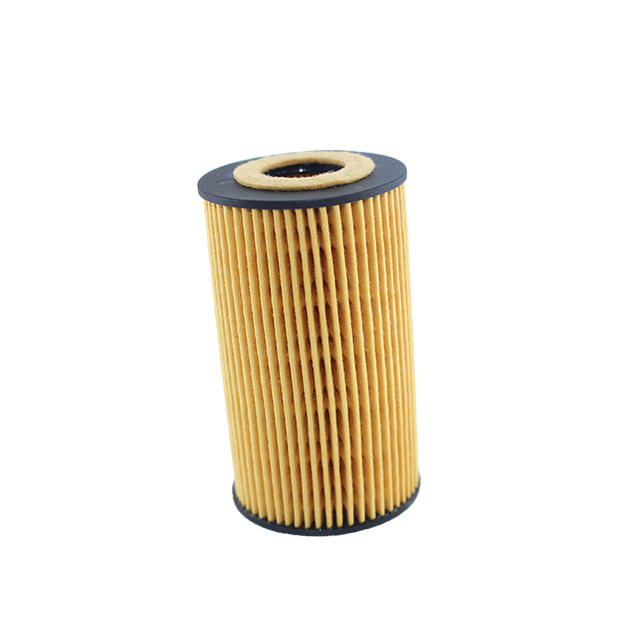
Oil filters play a critical role in removing contaminants, such as dirt, debris, and metal particles, from lubricating oil. By capturing these impurities, oil filters prevent their circulation within machinery, ensuring clean and pure oil reaches critical components.
3. Traditional Oil Filter Design and Limitations
Traditional oil filters often utilize cellulose-based filter media, which offer moderate filtration efficiency. However, these filters may struggle to capture smaller particles effectively, compromising the overall performance of the machinery. Moreover, their limited capacity and pressure drop can lead to frequent filter replacements and increased maintenance costs.
4. Innovations in Filter Media Technology
4.1 Enhanced Filtration Efficiency with Microglass Media
Microglass media is a cutting-edge filter material that leverages its unique structure to achieve superior filtration efficiency. With its intricate network of microscopic fibers, microglass media traps even the tiniest particles, providing a higher level of oil purity. This technology ensures extended filter life, reduced maintenance, and enhanced equipment performance.
4.2 Synthetic Media: A Breakthrough in Oil Filtration
Synthetic filter media represents a significant advancement in oil filtration technology. These engineered materials offer exceptional dirt-holding capacity and efficiency, surpassing traditional cellulose-based filters. Synthetic media filters can reliably capture and retain particles as small as one micron, leading to cleaner oil and improved machinery performance.
5. Advanced Pleat Design for Optimal Performance
The design of filter pleats plays a crucial role in maximizing filtration efficiency. Advanced pleat geometries, such as deep-pleat and gradient-density configurations, allow for increased surface area and improved particle capture. By optimizing pleat design, oil filters can achieve higher dirt-holding capacity, longer service life, and reduced pressure drop.
6. Intelligent Bypass Valve Systems: Ensuring Continuous Filtration
Intelligent bypass valve systems are an integral part of modern oil filter design. These innovative mechanisms regulate oil flow during extreme conditions, such as cold starts or high-flow demand situations. By intelligently controlling bypass flow, these valves ensure continuous filtration, even when the filter becomes saturated or clogged, safeguarding critical components from contamination.
7. Integration of Smart Technologies in Oil Filters
7.1 IoT-Enabled Sensors for Real-Time Monitoring
The integration of Internet of Things (IoT) technologies in oil filters allows for real-time monitoring of key performance indicators. IoT-enabled sensors can collect data on oil condition, pressure differentials, and filter efficiency, providing valuable insights into the health of the filtration system. This data-driven approach enables proactive maintenance and enhances overall operational efficiency.
7.2 Predictive Maintenance and Condition-Based Monitoring
Innovative oil filters equipped with predictive maintenance capabilities can revolutionize maintenance practices. By continuously monitoring oil quality and system parameters, these filters can detect anomalies and predict potential failures before they occur. This proactive approach minimizes downtime, reduces maintenance costs, and optimizes equipment performance.
8. Eco-Friendly Solutions: Sustainable Oil Filtration
8.1 Biodegradable Filter Media
As environmental sustainability gains importance, the development of biodegradable filter media offers an eco-friendly solution for oil filtration. These filters are designed to break down naturally over time, reducing waste and minimizing the environmental impact of frequent filter replacements.
8.2 Energy-Efficient Filtration Systems
Energy-efficient filtration systems are another innovative approach to sustainable oil filtration. By optimizing flow dynamics and reducing pressure drop, these systems minimize energy consumption while maintaining high filtration efficiency. This not only reduces operational costs but also contributes to a greener and more sustainable future.
9. Frequently Asked Questions (FAQs)
9.1 How often should oil filters be replaced?
9.2 Can innovative oil filters reduce maintenance costs?
9.3 Are eco-friendly oil filters as effective as traditional ones?
9.4 What industries can benefit from advanced oil filter technologies?
9.5 How do smart oil filters improve operational efficiency?
10. Conclusion: Embracing Innovation for Enhanced Oil Filtration
In conclusion, exploring innovative technologies in oil filter design is crucial for businesses seeking improved efficiency and cost savings. From advanced filter media to intelligent monitoring systems, these advancements are reshaping the oil filtration landscape. By embracing these innovations, industrial operations can optimize equipment performance, minimize maintenance costs, and contribute to a more sustainable future. Stay ahead of the competition by harnessing the power of cutting-edge oil filter technologies and unlocking the full potential of your machinery.
Key words:

* Please Enter Keywords
The company is mainly engaged in the manufacture and sale of auto parts and accessories in the automobile manufacturing industry, the manufacture and sale of automobile rubber products, and the import and export of auto parts.