

 Esperanto
 Shqiptare
 Euskara
 Zulu
Zulu
 Latinus
 Cymraeg
 தமிழ்
தமிழ்
 Slovak
 Slovak
 Afrikaans
Focus On Hot Spots

Contact Info
E-mail: txgs@taixifilter.com
Manager Xu: +86-15097925576
Manager Feng: +86-15803195413
Address: North side of Caiyuan Village, Gexianzhuang Town, Qinghe County, Xingtai City, Hebei Province (No. 250)
The Science Behind Oil Filtration: How Filters Remove Contaminants
Release Time:
Jan 08,2024
Table of Contents 1. Introduction: Understanding the Importance of Oil Filtration 2. The Basics of Oil Filtration: How Filters Work 3. Mechanisms of Filter Contaminant Removal 4. Types of Oil Filters and Their Applications 5. Factors Affecting Oil Filtration Efficiency 6. Common Contaminants Found in Oil 7. The Advantages of Regular Oil Filtration 8. FAQs: Clearing Your Doubts About Oil Filtration
1. Introduction: Understanding the Importance of Oil Filtration
2. The Basics of Oil Filtration: How Filters Work
3. Mechanisms of Filter Contaminant Removal
4. Types of Oil Filters and Their Applications
5. Factors Affecting Oil Filtration Efficiency
6. Common Contaminants Found in Oil
7. The Advantages of Regular Oil Filtration
8. FAQs: Clearing Your Doubts About Oil Filtration
9. Conclusion: The Key Role of Filters in Maintaining Clean Oil
1. Introduction: Understanding the Importance of Oil Filtration
Oil filtration plays a crucial role in various industrial applications, including machinery and equipment. Clean oil is essential for ensuring optimal performance, longevity, and efficiency of these systems. In this article, we delve into the science behind oil filtration and its significance in removing contaminants.
2. The Basics of Oil Filtration: How Filters Work
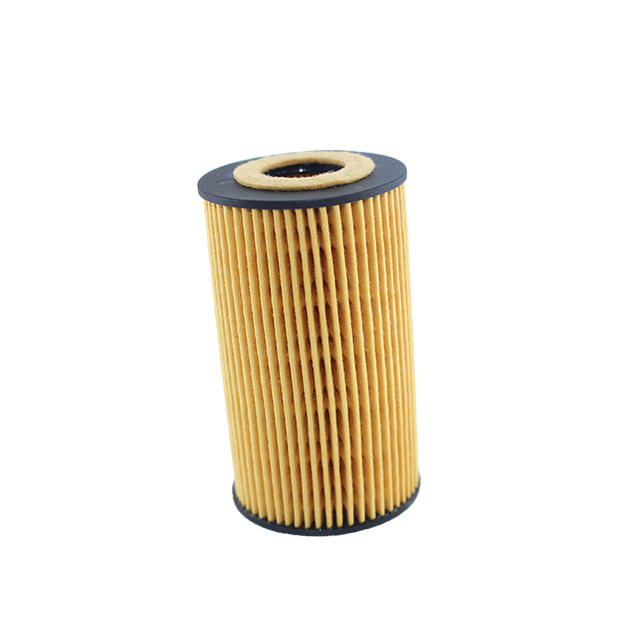
Oil filters are designed to remove impurities and contaminants, such as dirt, debris, and particles, from lubricating oil. They consist of a housing, filter media, and an inlet and outlet for oil flow. As oil passes through the filter media, contaminants get trapped while clean oil flows through. This filtration process helps maintain the oil's cleanliness and ensures smooth operation.
3. Mechanisms of Filter Contaminant Removal
Filters employ various mechanisms to remove contaminants effectively. These mechanisms include physical entrapment, adsorption, and chemical reaction. Physical entrapment involves capturing larger particles through the filter media's porous structure. Adsorption occurs when contaminants adhere to the filter media's surface due to electrostatic attraction. Chemical reactions involve neutralization or transformation of certain contaminants to safer forms.
4. Types of Oil Filters and Their Applications
There are several types of oil filters, each with its specific characteristics and applications. These include mechanical filters, centrifugal filters, magnetic filters, and coalescing filters. Mechanical filters are commonly used and rely on filter media to trap contaminants. Centrifugal filters use centrifugal force to separate contaminants from oil. Magnetic filters utilize magnets to attract and remove metallic particles. Coalescing filters are effective in removing water and oil mist.
5. Factors Affecting Oil Filtration Efficiency
Oil filtration efficiency can be influenced by various factors. These include filter media quality, flow rate, operating pressure, and temperature. Additionally, the size and shape of contaminants and the oil's viscosity impact filtration efficiency. Understanding these factors is crucial in selecting the right filter for specific applications and optimizing filtration performance.
6. Common Contaminants Found in Oil
Oil can contain a range of contaminants that affect its quality and performance. Common contaminants include dirt, dust, metal particles, water, sludge, varnish, and oxidation byproducts. These contaminants can result from external sources, internal wear and tear, or the breakdown of oil additives. Regular oil filtration helps remove these contaminants and prevents their accumulation, ensuring clean and efficient oil.
7. The Advantages of Regular Oil Filtration
Regular oil filtration offers numerous benefits to industrial systems. It enhances equipment reliability by preventing premature wear and component failures caused by contaminated oil. Clean oil also improves overall system efficiency and energy consumption. Additionally, it extends the lifespan of equipment, reducing maintenance costs and downtime.
8. FAQs: Clearing Your Doubts About Oil Filtration
Q1: How often should oil filters be replaced?
Q2: Can oil filters remove all types of contaminants?
Q3: Are there any specific maintenance requirements for oil filters?
Q4: Can oil filtration improve fuel efficiency?
Q5: Are there any environmental benefits of oil filtration?
9. Conclusion: The Key Role of Filters in Maintaining Clean Oil
In conclusion, oil filtration is a vital process that removes contaminants and ensures clean oil in industrial applications. Understanding the science behind oil filtration and selecting the right filter for specific needs is crucial for maintaining optimal performance, efficiency, and longevity of machinery and equipment. Regular oil filtration not only extends equipment lifespan but also enhances reliability and reduces maintenance costs. Embrace the science of oil filtration to reap its benefits and keep your systems running smoothly.
Key words:

* Please Enter Keywords
The company is mainly engaged in the manufacture and sale of auto parts and accessories in the automobile manufacturing industry, the manufacture and sale of automobile rubber products, and the import and export of auto parts.