

 Esperanto
 Shqiptare
 Euskara
 Zulu
Zulu
 Latinus
 Cymraeg
 தமிழ்
தமிழ்
 Slovak
 Slovak
 Afrikaans
Focus On Hot Spots

Contact Info
E-mail: txgs@taixifilter.com
Manager Xu: +86-15097925576
Manager Feng: +86-15803195413
Address: North side of Caiyuan Village, Gexianzhuang Town, Qinghe County, Xingtai City, Hebei Province (No. 250)
Common Misconceptions About Fuel Filters Debunked: Separating Fact from Fiction
Release Time:
Jan 09,2024
Table of Contents 1. Introduction: Understanding the Importance of Fuel Filters 2. Myth 1: Fuel Filters Only Prevent Large Debris from Entering the Engine 3. Myth 2: Fuel Filters Do Not Need Regular Replacement 4. Myth 3: All Fuel Filters Are the Same 5. Myth 4: Fuel Filters Cannot Affect Engine Performance 6. Myth 5: Fuel Filters Are Only Necessary for Older Vehicles 7. Myth 6: Fuel Filters Canno
1. Introduction: Understanding the Importance of Fuel Filters
2. Myth 1: Fuel Filters Only Prevent Large Debris from Entering the Engine
3. Myth 2: Fuel Filters Do Not Need Regular Replacement
4. Myth 3: All Fuel Filters Are the Same
5. Myth 4: Fuel Filters Cannot Affect Engine Performance
6. Myth 5: Fuel Filters Are Only Necessary for Older Vehicles
7. Myth 6: Fuel Filters Cannot Get Clogged if Using High-Quality Fuel
8. Myth 7: Changing Fuel Filters Is a Complex and Costly Process
9. Myth 8: Fuel Additives Can Replace the Need for Fuel Filters
10. Frequently Asked Questions (FAQs)
10.1 How often should fuel filters be replaced?
10.2 Can a clogged fuel filter cause engine damage?
10.3 Are there different types of fuel filters available?
10.4 How do fuel filters affect fuel efficiency?
10.5 Can fuel filters improve engine performance?
11. Conclusion
Introduction: Understanding the Importance of Fuel Filters
Fuel filters play a crucial role in protecting your vehicle's engine from harmful contaminants that can cause serious damage. Contrary to common misconceptions, fuel filters do much more than simply preventing large debris from entering the engine. In this comprehensive article, we will debunk popular myths surrounding fuel filters and shed light on their significance in maintaining optimal engine health.
Myth 1: Fuel Filters Only Prevent Large Debris from Entering the Engine
Contrary to popular belief, fuel filters are designed to capture not only large debris but also microscopic particles suspended in the fuel. These particles include rust, dirt, and other contaminants that can wreak havoc on your engine's delicate components. By removing these impurities, fuel filters prevent premature engine wear, fuel injector clogging, and fuel system damage.
Myth 2: Fuel Filters Do Not Need Regular Replacement
One of the most common misconceptions is that fuel filters do not require regular replacement. However, neglecting to change your fuel filter at the recommended intervals can have severe consequences. Over time, the filter becomes saturated with contaminants, reducing its effectiveness and potentially leading to engine malfunctions. Regularly replacing your fuel filter ensures consistent filtration and prolongs your engine's lifespan.
Myth 3: All Fuel Filters Are the Same
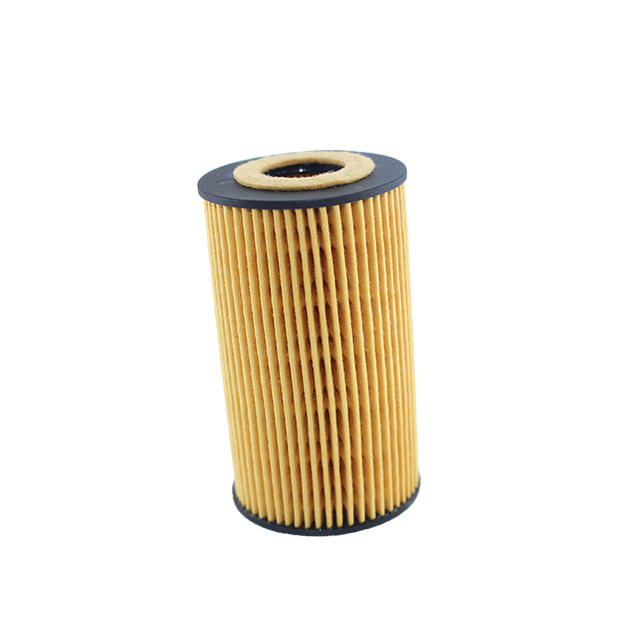
Not all fuel filters are created equal. Different vehicles require specific types of fuel filters, tailored to their engine's unique requirements. There are various fuel filter designs, including inline filters, cartridge filters, and spin-on filters. Understanding your vehicle's specific fuel filter needs is crucial to ensure optimal performance and protection.
Myth 4: Fuel Filters Cannot Affect Engine Performance
Contrary to popular belief, fuel filters can have a significant impact on your engine's performance. A clogged or inefficient fuel filter can restrict fuel flow, leading to reduced power, poor acceleration, and decreased fuel efficiency. By regularly replacing and maintaining your fuel filter, you can ensure optimal engine performance and responsiveness.
Myth 5: Fuel Filters Are Only Necessary for Older Vehicles
Fuel filters are not exclusive to older vehicles; they are essential for all automobiles, regardless of age. Modern engines, equipped with advanced fuel injection systems, are even more susceptible to fuel contamination. Neglecting to install and maintain a fuel filter can result in costly repairs and decreased engine longevity, regardless of your vehicle's age.
Myth 6: Fuel Filters Cannot Get Clogged if Using High-Quality Fuel
Even if you consistently use high-quality fuel, microscopic contaminants can still find their way into your engine. While premium fuels may contain fewer impurities, the risk of contamination remains. Fuel filters act as the last line of defense, ensuring that even the tiniest particles are filtered out before reaching critical engine components.
Myth 7: Changing Fuel Filters Is a Complex and Costly Process
Changing a fuel filter is a relatively simple task that can be performed by most car owners. With the proper tools and guidance, this maintenance procedure can be completed in a short amount of time. Additionally, the cost of a new fuel filter is minimal compared to the potential expenses of engine repairs caused by a clogged or faulty filter.
Myth 8: Fuel Additives Can Replace the Need for Fuel Filters
While fuel additives may offer certain benefits, they cannot replace the essential role of a fuel filter. Fuel additives primarily aim to enhance fuel efficiency, reduce engine deposits, or improve combustion. However, they cannot effectively filter out contaminants present in the fuel. Combining the use of fuel additives with a high-quality fuel filter ensures a comprehensive approach to engine protection and performance.
Frequently Asked Questions (FAQs)
10.1 How often should fuel filters be replaced?
The frequency of fuel filter replacement varies depending on your vehicle's make and model. It is generally recommended to replace the fuel filter every 20,000 to 30,000 miles or as specified in your vehicle's owner's manual.
10.2 Can a clogged fuel filter cause engine damage?
Yes, a clogged fuel filter can restrict fuel flow and cause engine damage. It is crucial to replace a clogged fuel filter promptly to prevent potential engine problems.
10.3 Are there different types of fuel filters available?
Yes, there are various types of fuel filters available, including inline filters, cartridge filters, and spin-on filters. The type of fuel filter required depends on your vehicle's specifications.
10.4 How do fuel filters affect fuel efficiency?
Fuel filters play a role in maintaining optimal fuel efficiency by ensuring that contaminants do not hinder fuel flow and combustion. A clean fuel filter allows fuel to pass through smoothly, optimizing fuel consumption and reducing strain on the engine.
10.5 Can fuel filters improve engine performance?
Yes, a clean and efficient fuel filter can improve engine performance by allowing the engine to receive a consistent supply of clean fuel. This leads to better combustion, increased power, and enhanced overall performance.
Conclusion
In conclusion, it is essential to debunk common misconceptions surrounding fuel filters to ensure optimal engine health and performance. By addressing popular myths and providing accurate information, this article has shed light on the importance of fuel filters in safeguarding your engine against harmful contaminants. Remember to regularly replace your fuel filter and prioritize maintenance to enjoy a smooth and trouble-free driving experience.
Key words:

* Please Enter Keywords
The company is mainly engaged in the manufacture and sale of auto parts and accessories in the automobile manufacturing industry, the manufacture and sale of automobile rubber products, and the import and export of auto parts.