

 Esperanto
 Shqiptare
 Euskara
 Zulu
Zulu
 Latinus
 Cymraeg
 தமிழ்
தமிழ்
 Slovak
 Slovak
 Afrikaans
Focus On Hot Spots

Contact Info
E-mail: txgs@taixifilter.com
Manager Xu: +86-15097925576
Manager Feng: +86-15803195413
Address: North side of Caiyuan Village, Gexianzhuang Town, Qinghe County, Xingtai City, Hebei Province (No. 250)
Air Conditioning System Filters: A Guide to Industrial Equipment and Components
Release Time:
Jan 12,2024
Introduction: Air conditioning systems play a crucial role in maintaining a comfortable and healthy environment in industrial settings. The filters used in these systems are vital components that ensure the purity of the air circulating within. This article aims to provide professionals in the industrial equipment and components industry with valuable insights into air conditioning system filters,
Air conditioning systems play a crucial role in maintaining a comfortable and healthy environment in industrial settings. The filters used in these systems are vital components that ensure the purity of the air circulating within. This article aims to provide professionals in the industrial equipment and components industry with valuable insights into air conditioning system filters, their significance, and their benefits.
1. Understanding Air Conditioning System Filters:
Air conditioning system filters are specially designed devices that trap and remove various airborne contaminants from the air. These contaminants can include dust, pollen, mold spores, bacteria, and even some volatile organic compounds (VOCs). By removing these pollutants, filters help improve the air quality and protect the health of individuals working in industrial environments.
2. Functions of Air Conditioning System Filters:
The primary function of air conditioning system filters is to capture and retain particulate matter present in the air. They prevent these particles from entering the system and circulating throughout the industrial facility. Additionally, filters also help extend the operational life of the air conditioning system by preventing the accumulation of debris on sensitive components.
3. Types of Air Conditioning System Filters:
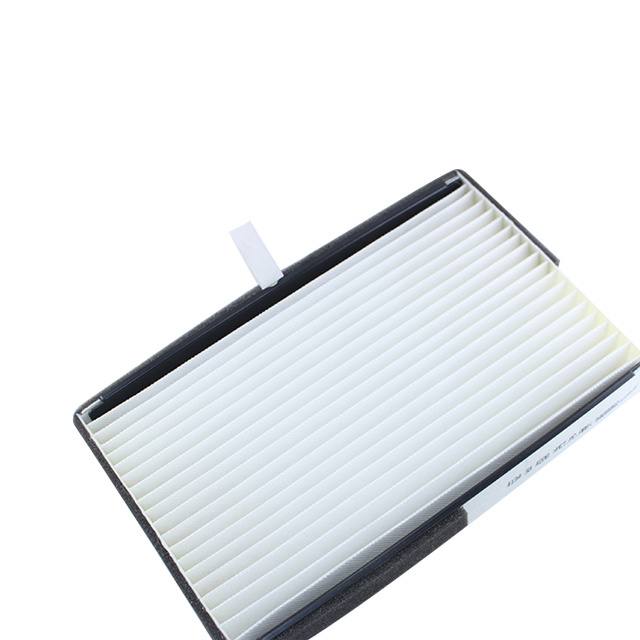
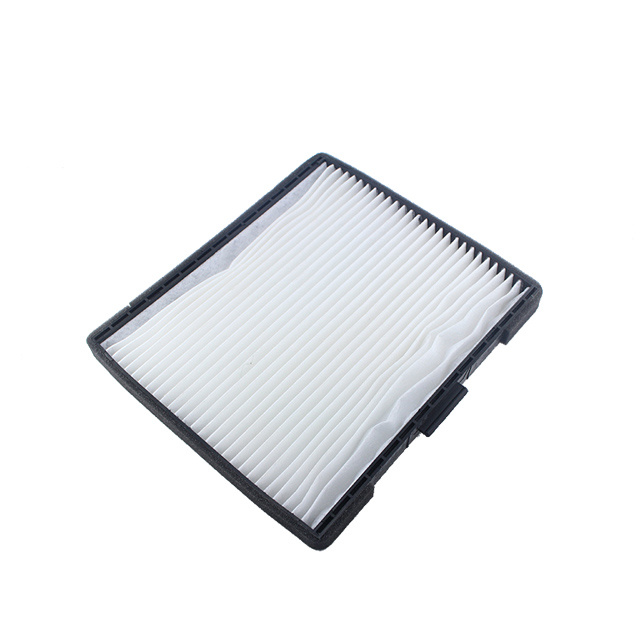
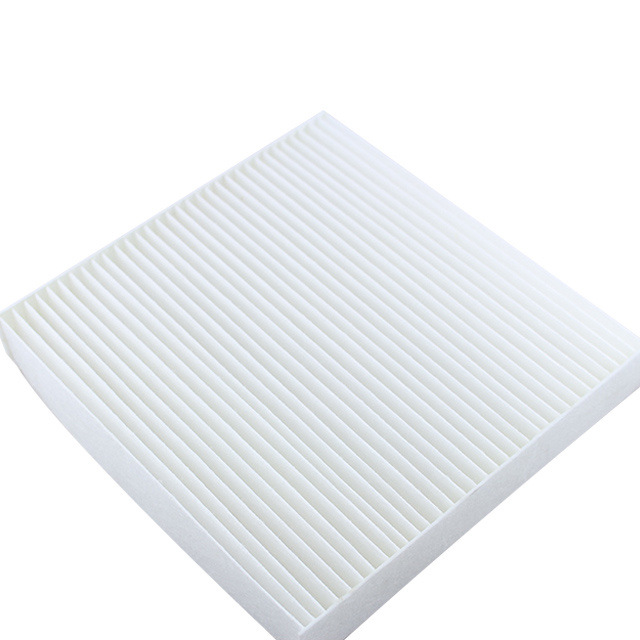
There are various types of air conditioning system filters available, each with its own unique characteristics and filtration capabilities. Some common filter types include fiberglass filters, pleated filters, electrostatic filters, and activated carbon filters. Professionals should carefully choose the appropriate filter based on their specific industrial requirements and the level of air purity desired.
4. Benefits of Using Air Conditioning System Filters:
a. Improved Indoor Air Quality: Properly selected and maintained filters significantly enhance the quality of indoor air by removing harmful airborne particles, allergens, and contaminants. This results in a healthier and more comfortable working environment for employees.
b. Increased Efficiency: Clean air filters allow air conditioning systems to operate more efficiently by ensuring unrestricted airflow. This leads to better cooling or heating performance and reduces energy consumption, ultimately resulting in cost savings.
c. Equipment Protection: Filters prevent dust and debris from accumulating on sensitive components of the air conditioning system, reducing the risk of equipment damage or malfunction. Regular filter replacement and maintenance contribute to prolonging the system's lifespan.
d. Regulatory Compliance: By using high-quality filters, industrial facilities can meet or exceed air quality standards and comply with relevant regulations, ensuring a safe working environment for employees.
Conclusion:
Air conditioning system filters are vital components in the industrial equipment and components industry. Understanding their functions, types, and benefits is essential for professionals responsible for maintaining a clean and healthy working environment. By prioritizing the selection and maintenance of appropriate filters, businesses can optimize air quality, increase energy efficiency, protect valuable equipment, and comply with industry regulations.
Key words:

* Please Enter Keywords
The company is mainly engaged in the manufacture and sale of auto parts and accessories in the automobile manufacturing industry, the manufacture and sale of automobile rubber products, and the import and export of auto parts.