

 Esperanto
 Shqiptare
 Euskara
 Zulu
Zulu
 Latinus
 Cymraeg
 தமிழ்
தமிழ்
 Slovak
 Slovak
 Afrikaans
Focus On Hot Spots
Contact Info
E-mail: txgs@taixifilter.com
Manager Xu: +86-15097925576
Manager Feng: +86-15803195413
Address: North side of Caiyuan Village, Gexianzhuang Town, Qinghe County, Xingtai City, Hebei Province (No. 250)
The Role of Air Conditioner Filters in Ensuring Clean and Healthy Indoor Air
Release Time:
Jan 15,2024
Introduction: Clean and healthy indoor air is essential for our overall well-being. With the increasing concern for air pollution and allergies, it has become crucial to ensure that the air we breathe indoors is as clean as possible. One of the key components in achieving this is the air conditioner filter. In this article, we will explore the role of air conditioner filters in ensuring clean and
Clean and healthy indoor air is essential for our overall well-being. With the increasing concern for air pollution and allergies, it has become crucial to ensure that the air we breathe indoors is as clean as possible. One of the key components in achieving this is the air conditioner filter. In this article, we will explore the role of air conditioner filters in ensuring clean and healthy indoor air.
Table of Contents:
1. Understanding Air Conditioner Filters and Their Importance
2. How Air Conditioner Filters Work to Remove Contaminants
3. Different Types of Air Conditioner Filters
4. Factors to Consider When Choosing an Air Conditioner Filter
5. The Impact of Clean Air Conditioner Filters on Indoor Air Quality
6. The Benefits of Regular Maintenance and Replacement of Air Conditioner Filters
7. Frequently Asked Questions (FAQs) about Air Conditioner Filters
8. Conclusion
1. Understanding Air Conditioner Filters and Their Importance
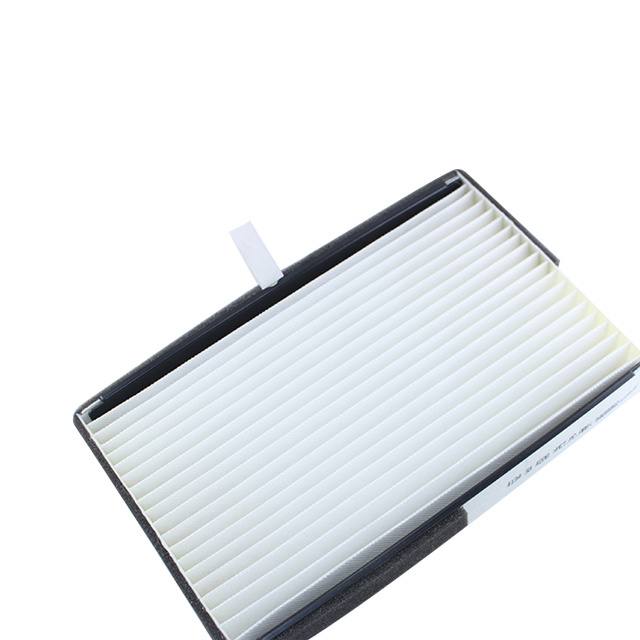
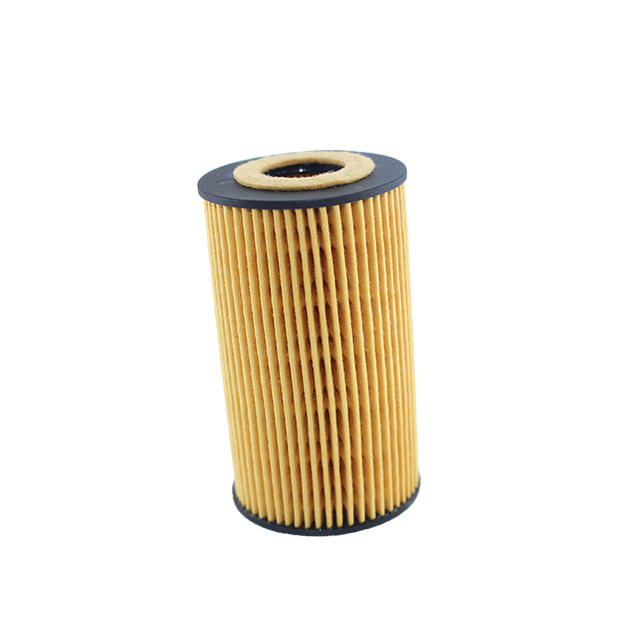
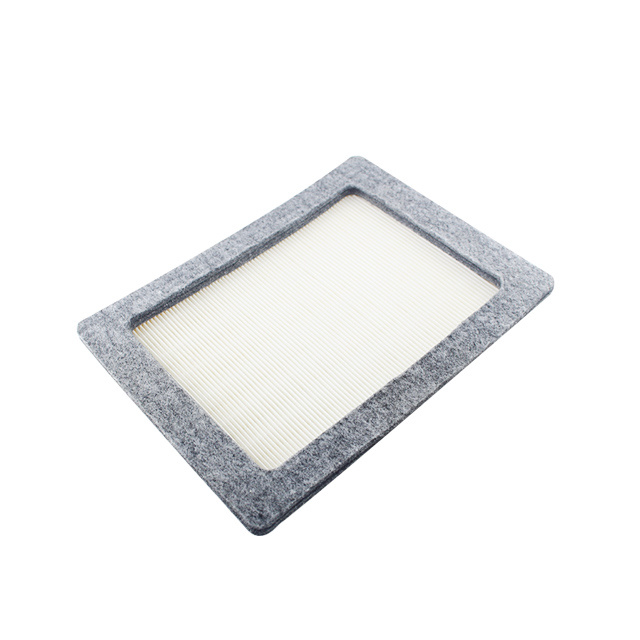
Air conditioner filters are crucial components of the HVAC system that help remove airborne particles and pollutants from the air. These filters trap dust, pollen, pet dander, mold spores, and other contaminants, preventing them from circulating in the indoor air. By doing so, air conditioner filters improve indoor air quality and contribute to a healthier environment for occupants.
2. How Air Conditioner Filters Work to Remove Contaminants
Air conditioner filters employ a combination of physical and chemical mechanisms to capture airborne particles. The filter media, typically made of fiberglass, pleated fabric, or other materials, acts as a physical barrier that traps larger particles like dust and pet hair. Additionally, some filters are infused with activated carbon or antimicrobial agents to neutralize odors and inhibit the growth of bacteria and mold.
When the air conditioner operates, the air is drawn through the filter, and the contaminants get trapped in the filter media. Over time, the filter becomes clogged with accumulated particles, reducing its efficiency. Regular cleaning or replacement of the filter is necessary to ensure optimal performance.
3. Different Types of Air Conditioner Filters
There are several types of air conditioner filters available in the market, each with its own advantages and filtration capabilities. The most common types include:
a) Fiberglass Filters: These filters are inexpensive and capture larger particles effectively. However, they offer minimal protection against smaller particles and pollutants.
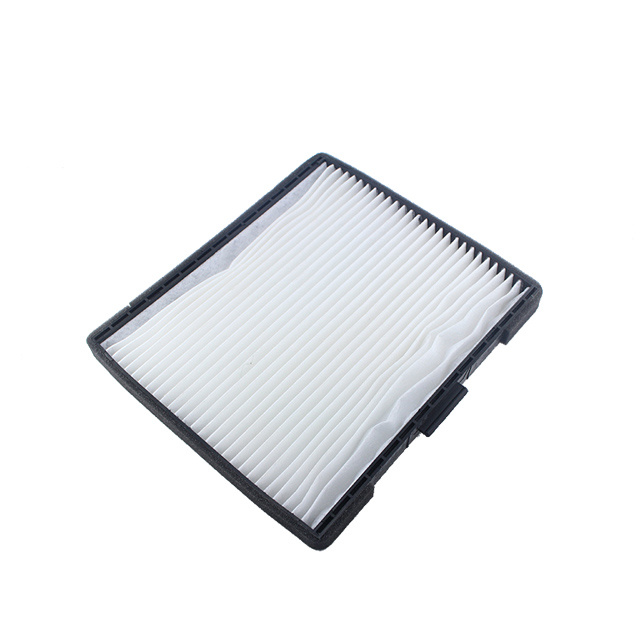
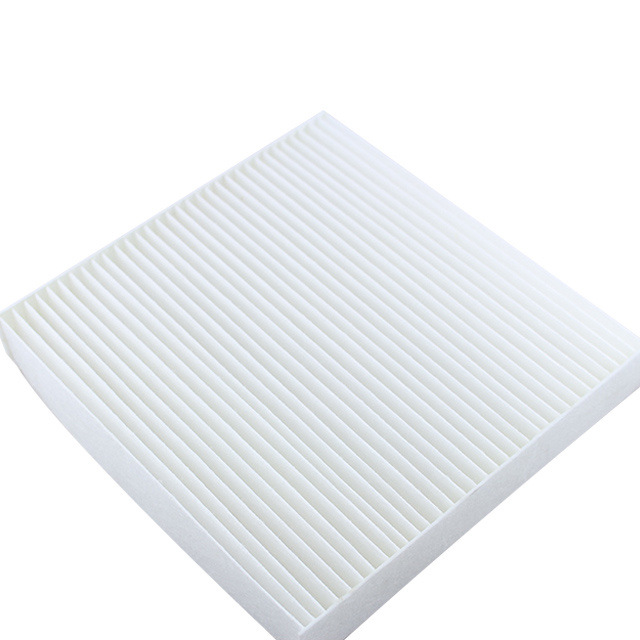
b) Pleated Filters: Pleated filters have a larger surface area, allowing them to capture both large and small particles more effectively. They are available in various MERV (Minimum Efficiency Reporting Value) ratings, indicating their filtration efficiency.
c) High-Efficiency Particulate Air (HEPA) Filters: HEPA filters are highly efficient and can capture up to 99.97% of particles as small as 0.3 microns. They are commonly used in healthcare facilities and areas with specific air quality requirements.
d) Electrostatic Filters: These filters use an electrostatic charge to attract and trap particles. They are effective in capturing smaller particles but may require regular cleaning to maintain efficiency.
4. Factors to Consider When Choosing an Air Conditioner Filter
When selecting an air conditioner filter, it is important to consider the following factors:
- Filtration Efficiency: Choose a filter with a higher MERV rating for improved filtration performance.
- Compatibility: Ensure the filter is compatible with your HVAC system.
- Maintenance: Consider the ease of cleaning or replacing the filter.
- Allergies and Sensitivities: If you have allergies or sensitivities, opt for filters designed to capture allergens and airborne irritants.
- Cost: Balance the cost of the filter with its filtration efficiency and lifespan.
5. The Impact of Clean Air Conditioner Filters on Indoor Air Quality
Clean air conditioner filters significantly impact indoor air quality. When filters are clogged with debris and contaminants, they can no longer effectively capture particles. As a result, these particles circulate in the indoor air, leading to poor air quality. This can result in various health issues such as allergies, respiratory problems, and worsened symptoms for individuals with asthma or other respiratory conditions.
Regular maintenance and replacement of air conditioner filters are crucial to ensure clean air. By keeping the filters clean, you can minimize the presence of allergens, dust, and pollutants in the indoor environment, promoting a healthier living space.
6. The Benefits of Regular Maintenance and Replacement of Air Conditioner Filters
Regular maintenance and replacement of air conditioner filters offer numerous benefits, including:
- Improved Indoor Air Quality: Clean filters effectively capture and remove airborne particles, ensuring cleaner indoor air.
- Energy Efficiency: Clean filters allow for better airflow, reducing strain on the HVAC system and improving energy efficiency.
- Extended HVAC System Lifespan: Properly maintained filters prevent dirt and debris from accumulating on the system's components, prolonging its lifespan.
- Cost Savings: A well-maintained HVAC system operates more efficiently, resulting in lower energy bills and reduced repair costs.
- Enhanced Comfort: Clean air filters contribute to a comfortable indoor environment by reducing dust, odors, and allergens.
7. Frequently Asked Questions (FAQs) about Air Conditioner Filters
Q1: How often should I replace my air conditioner filter?
Q2: Can I clean and reuse my air conditioner filter?
Q3: What is the difference between MERV ratings for air conditioner filters?
Q4: Are HEPA filters necessary for residential use?
Q5: Can air conditioner filters eliminate odors?
8. Conclusion
Air conditioner filters play a crucial role in ensuring clean and healthy indoor air. By effectively capturing and removing airborne particles, these filters contribute to improved indoor air quality and create a comfortable living environment. Regular maintenance and replacement of air conditioner filters are necessary to optimize their performance and reap the benefits of clean air. Prioritize your indoor air quality by choosing the right air conditioner filter and adopting a proactive approach to filter maintenance.
Key words:

* Please Enter Keywords
The company is mainly engaged in the manufacture and sale of auto parts and accessories in the automobile manufacturing industry, the manufacture and sale of automobile rubber products, and the import and export of auto parts.