

 Esperanto
 Shqiptare
 Euskara
 Zulu
Zulu
 Latinus
 Cymraeg
 தமிழ்
தமிழ்
 Slovak
 Slovak
 Afrikaans
Focus On Hot Spots

Contact Info
E-mail: txgs@taixifilter.com
Manager Xu: +86-15097925576
Manager Feng: +86-15803195413
Address: North side of Caiyuan Village, Gexianzhuang Town, Qinghe County, Xingtai City, Hebei Province (No. 250)
Choosing the Right Car Oil Filter: Factors to Consider for Industrial Equipment
Release Time:
Jan 27,2024
Table of Contents: 1. Introduction: Importance of Choosing the Right Car Oil Filter 2. Understanding Industrial Equipment and Its Oil Filtration Needs 3. Factors to Consider When Selecting a Car Oil Filter for Industrial Equipment 3.1 Filtration Efficiency 3.2 Compatibility with Machinery 3.3 Environmental Conditions 3.4 Service Life and Maintenance 3.5 Cost-Effectiveness 3.6 Bra
1. Introduction: Importance of Choosing the Right Car Oil Filter
2. Understanding Industrial Equipment and Its Oil Filtration Needs
3. Factors to Consider When Selecting a Car Oil Filter for Industrial Equipment
3.1 Filtration Efficiency
3.2 Compatibility with Machinery
3.3 Environmental Conditions
3.4 Service Life and Maintenance
3.5 Cost-Effectiveness
3.6 Brand Reputation and Quality Assurance
3.7 Compliance with Industry Standards
3.8 Availability and Support
4. Frequently Asked Questions
4.1 What is the purpose of an oil filter in industrial equipment?
4.2 How often should I replace the oil filter in my industrial equipment?
4.3 Can I use a car oil filter in my industrial equipment?
4.4 Are there any specific certifications or standards to look for in an oil filter?
4.5 Can a high-quality oil filter improve the performance of my industrial equipment?
5. Conclusion: Choosing the Right Car Oil Filter for Your Industrial Equipment
Introduction: Importance of Choosing the Right Car Oil Filter
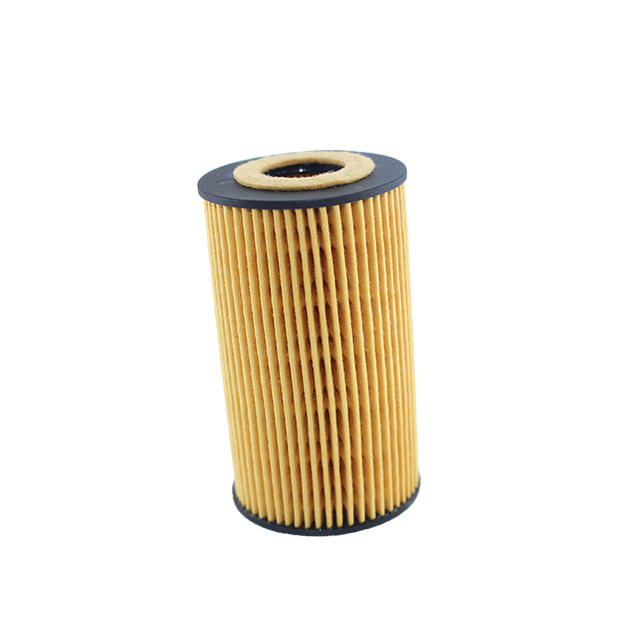
When it comes to industrial equipment, maintaining optimal performance is crucial. One essential aspect of maintenance is selecting the right car oil filter for your machinery. A car oil filter plays a vital role in keeping the engine oil clean and free from contaminants. By choosing the right oil filter, you can ensure the longevity and efficiency of your industrial equipment.
Understanding Industrial Equipment and Its Oil Filtration Needs
Industrial equipment operates in demanding environments where machinery is subjected to high temperatures, heavy loads, and contaminants. As a result, the oil in these systems must be properly filtered to prevent damage to crucial components. A car oil filter designed for industrial equipment can effectively remove harmful particles and contaminants, ensuring smooth and reliable operation.
Factors to Consider When Selecting a Car Oil Filter for Industrial Equipment
3.1 Filtration Efficiency
The filtration efficiency of an oil filter determines its ability to remove contaminants from the oil. Look for filters with a high efficiency rating, such as those capable of capturing particles as small as 5 microns. This ensures that the oil circulating in your industrial equipment remains clean and free from harmful impurities.
3.2 Compatibility with Machinery
Ensure that the car oil filter you choose is compatible with the specific make and model of your industrial equipment. Consider factors such as thread size, gasket diameter, and the filter's overall dimensions. Using an incompatible filter can lead to leaks, inadequate filtration, and potential damage to your machinery.
3.3 Environmental Conditions
Evaluate the operating environment of your industrial equipment. If your machinery operates in extreme conditions, such as high temperatures or dusty environments, you may need a specialized oil filter designed to withstand these conditions. Consider filters with additional features like heat resistance, anti-drain back valves, and enhanced dust-holding capacity.
3.4 Service Life and Maintenance
Consider the recommended service life of the oil filter. A longer service life means less frequent replacements, reducing downtime and maintenance costs. Additionally, consider the ease of maintenance, such as convenient filter access and user-friendly installation procedures.
3.5 Cost-Effectiveness
While cost is an important factor, it should not be the sole determining factor. Consider the overall value offered by the oil filter, including its filtration efficiency, durability, and longevity. Choosing a high-quality filter that may be slightly more expensive initially can save you money in the long run by preventing costly repairs and premature equipment failure.
3.6 Brand Reputation and Quality Assurance
Choose a reputable brand known for manufacturing high-quality oil filters. A well-established brand is likely to have stringent quality control measures in place, ensuring consistent performance and reliability. Read customer reviews and seek recommendations from industry experts to gauge the reputation and reliability of different brands.
3.7 Compliance with Industry Standards
Look for oil filters that comply with industry standards and certifications. These certifications indicate that the filter has undergone rigorous testing and meets the necessary performance and safety requirements. Common certifications to look for include ISO 9001 and ISO 14001.
3.8 Availability and Support
Consider the availability and support offered by the manufacturer or supplier of the oil filter. Ensure that replacement filters are easily accessible, minimizing downtime and ensuring uninterrupted operation of your industrial equipment. Additionally, check if the manufacturer provides technical support or assistance in case of any issues or concerns.
Frequently Asked Questions
4.1 What is the purpose of an oil filter in industrial equipment?
An oil filter in industrial equipment is responsible for removing contaminants, such as dirt, debris, and metal particles, from the circulating oil. This helps maintain the cleanliness and performance of the machinery's lubricating system, preventing damage and ensuring smooth operation.
4.2 How often should I replace the oil filter in my industrial equipment?
The frequency of oil filter replacement depends on various factors such as the type of equipment, operating conditions, and manufacturer recommendations. Generally, it is recommended to replace the oil filter during routine maintenance intervals or as indicated by monitoring systems.
4.3 Can I use a car oil filter in my industrial equipment?
Using a car oil filter in industrial equipment is not recommended. Car oil filters are designed for smaller engines and may not have the capacity to handle the demands of industrial machinery. It is crucial to choose an oil filter specifically designed for industrial equipment to ensure optimal filtration and protection.
4.4 Are there any specific certifications or standards to look for in an oil filter?
When choosing an oil filter for industrial equipment, look for certifications such as ISO 9001 and ISO 14001. These certifications indicate that the filter meets industry standards for quality and environmental management systems, ensuring reliable performance and responsible manufacturing practices.
4.5 Can a high-quality oil filter improve the performance of my industrial equipment?
Yes, a high-quality oil filter can significantly improve the performance of industrial equipment. By effectively removing contaminants from the oil, the filter helps to maintain optimal lubrication and reduce wear on critical components. This, in turn, enhances performance, efficiency, and longevity of the machinery.
Conclusion: Choosing the Right Car Oil Filter for Your Industrial Equipment
Selecting the right car oil filter for your industrial equipment is crucial for optimal performance and longevity. Consider factors such as filtration efficiency, compatibility, environmental conditions, service life, cost-effectiveness, brand reputation, compliance with industry standards, and availability. By making an informed decision, you can ensure that your industrial equipment operates smoothly, minimizing downtime and costly repairs. Invest in a high-quality oil filter to protect your machinery and maximize its efficiency.
Key words:

* Please Enter Keywords
The company is mainly engaged in the manufacture and sale of auto parts and accessories in the automobile manufacturing industry, the manufacture and sale of automobile rubber products, and the import and export of auto parts.