

 Esperanto
 Shqiptare
 Euskara
 Zulu
Zulu
 Latinus
 Cymraeg
 தமிழ்
தமிழ்
 Slovak
 Slovak
 Afrikaans
Focus On Hot Spots

Contact Info
E-mail: txgs@taixifilter.com
Manager Xu: +86-15097925576
Manager Feng: +86-15803195413
Address: North side of Caiyuan Village, Gexianzhuang Town, Qinghe County, Xingtai City, Hebei Province (No. 250)
Car Oil Filter: Everything You Need to Know About Industrial Equipment and Components
Release Time:
Feb 05,2024
Car oil filters play a crucial role in maintaining the efficiency and longevity of industrial equipment and components in the filtration device industry. Understanding their importance and how they function can help you make informed decisions for your specific needs. In this article, we will delve into everything you need to know about car oil filters. 1. What is a Car Oil Filter? A car oil filte
1. What is a Car Oil Filter?
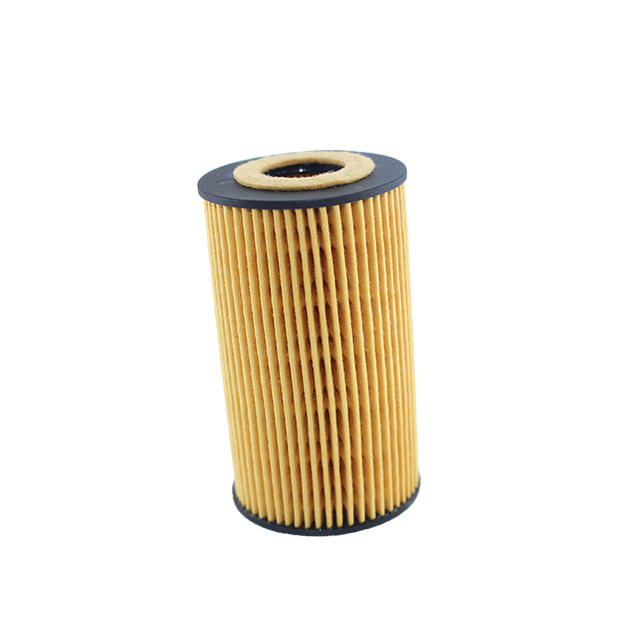
A car oil filter is a vital component in industrial equipment and components that helps remove contaminants and impurities from the engine oil. It ensures that the oil circulating through the engine remains clean, preventing damage to the engine and maximizing its efficiency.
2. Benefits of Using Car Oil Filters
Using car oil filters in industrial equipment offers several benefits, such as:
- Enhanced Engine Performance: Clean oil leads to improved engine performance, reducing friction and wear on components.
- Extended Engine Lifespan: By removing harmful particles, oil filters help prolong the engine's lifespan, reducing the risk of costly repairs or replacements.
- Efficient Filtration: Car oil filters are designed to efficiently trap and hold contaminants, ensuring only clean oil reaches critical engine parts.
3. How Car Oil Filters Work
Car oil filters typically consist of a housing, filter media, and an anti-drain back valve. When the engine is running, oil is drawn into the oil filter through the inlet. The filter media captures contaminants while allowing clean oil to pass through and return to the engine via the outlet. The anti-drain back valve prevents oil from draining back into the engine when it is not running, ensuring immediate lubrication at startup.
4. Types of Car Oil Filters
There are various types of car oil filters available, including:
- Mechanical Filters: These filters use physical barriers, such as cellulose or synthetic fibers, to catch contaminants.
- Magnetic Filters: Utilizing magnets, these filters attract and trap metallic particles in the oil.
- High-Efficiency Filters: Designed for advanced filtration, these filters employ synthetic materials to capture even the smallest particles.
5. Maintenance Tips for Car Oil Filters
To maintain the effectiveness of car oil filters, consider the following tips:
- Regular Replacement: Follow the manufacturer's guidelines to determine the recommended replacement intervals for your specific filter.
- Using the Right Filter: Ensure you select a filter that is designed for your industrial equipment and components, considering factors such as flow rate and filtration efficiency.
- Proper Installation: Follow the installation instructions carefully to guarantee a secure and leak-free connection.
- Regular Inspections: Periodically inspect the filter for signs of damage or clogging, and replace it if necessary.
In conclusion, car oil filters are indispensable components in the industrial equipment and components industry. By understanding their functions, types, and maintenance requirements, you can optimize the performance of your filtration devices and ensure the longevity of your valuable equipment. Invest in quality car oil filters and follow proper maintenance practices to keep your industrial systems running smoothly and efficiently.
Key words:

* Please Enter Keywords
The company is mainly engaged in the manufacture and sale of auto parts and accessories in the automobile manufacturing industry, the manufacture and sale of automobile rubber products, and the import and export of auto parts.