

 Esperanto
 Shqiptare
 Euskara
 Zulu
Zulu
 Latinus
 Cymraeg
 தமிழ்
தமிழ்
 Slovak
 Slovak
 Afrikaans
Focus On Hot Spots

Contact Info
E-mail: txgs@taixifilter.com
Manager Xu: +86-15097925576
Manager Feng: +86-15803195413
Address: North side of Caiyuan Village, Gexianzhuang Town, Qinghe County, Xingtai City, Hebei Province (No. 250)
The Role of Oil Filters in Preventing Engine Contamination
Release Time:
Mar 04,2024
**Introduction** Oil filters are an essential component of any vehicle's engine system, playing a crucial role in preventing contamination and ensuring smooth operation. In this article, we will explore the importance of oil filters in maintaining engine health and performance. **What is an Oil Filter?** An oil filter is a device designed to remove contaminants from engine oil, such as dirt, metal
Oil filters are an essential component of any vehicle's engine system, playing a crucial role in preventing contamination and ensuring smooth operation. In this article, we will explore the importance of oil filters in maintaining engine health and performance.
**What is an Oil Filter?**
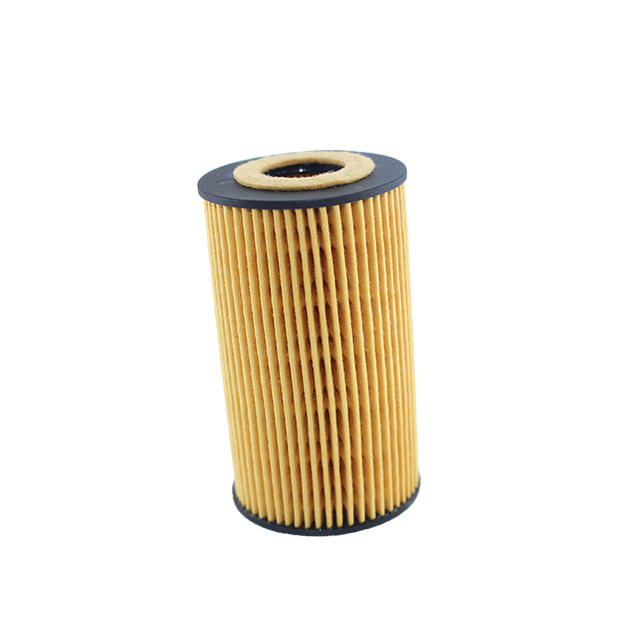
An oil filter is a device designed to remove contaminants from engine oil, such as dirt, metal particles, and other impurities that can cause damage to the engine. It works by capturing these harmful substances as the oil circulates through the filter, ensuring that only clean oil flows through the engine.
**How Oil Filters Prevent Contamination**
Oil filters use a combination of mechanical and chemical filtration processes to trap contaminants and prevent them from circulating through the engine. The filter media, typically made of pleated paper or synthetic fibers, captures particles as small as 25 microns, ensuring that the oil remains clean and free of debris.
**Types of Oil Filters**
There are several types of oil filters available on the market, including standard filters, high-efficiency filters, and magnetic filters. Each type has its own unique features and benefits, but they all work towards the same goal of protecting the engine from contamination.
**Benefits of Oil Filters**
Regularly changing the oil filter as part of your vehicle maintenance routine can have numerous benefits, such as improved engine performance, increased fuel efficiency, and extended engine life. By keeping contaminants at bay, oil filters help to ensure that your engine runs smoothly and efficiently.
**FAQs**
1. How often should I change my oil filter?
It is recommended to change your oil filter every time you change your engine oil, typically every 3,000 to 5,000 miles.
2. Can I reuse an oil filter?
Oil filters are designed for single use only and should be replaced with each oil change to ensure optimal performance.
3. How do I know if my oil filter needs to be replaced?
If you notice a decrease in engine performance, increased fuel consumption, or metallic noises coming from the engine, it may be time to replace your oil filter.
4. Are all oil filters the same?
No, there are different types of oil filters available, each with its own unique features and benefits. It's essential to choose the right filter for your vehicle's specific needs.
5. Can a clogged oil filter damage my engine?
Yes, a clogged oil filter can restrict oil flow to the engine, leading to decreased performance and potential damage. It's crucial to replace the filter regularly to prevent these issues.
**Conclusion**
In conclusion, oil filters are an essential component of any vehicle's engine system, playing a vital role in preventing contamination and ensuring optimal performance. By understanding the importance of oil filters and maintaining a regular maintenance schedule, you can help to protect your engine from harm and prolong its lifespan.
Key words:

* Please Enter Keywords
The company is mainly engaged in the manufacture and sale of auto parts and accessories in the automobile manufacturing industry, the manufacture and sale of automobile rubber products, and the import and export of auto parts.