

 Esperanto
 Shqiptare
 Euskara
 Zulu
Zulu
 Latinus
 Cymraeg
 தமிழ்
தமிழ்
 Slovak
 Slovak
 Afrikaans
Focus On Hot Spots

Contact Info
E-mail: txgs@taixifilter.com
Manager Xu: +86-15097925576
Manager Feng: +86-15803195413
Address: North side of Caiyuan Village, Gexianzhuang Town, Qinghe County, Xingtai City, Hebei Province (No. 250)
Maximizing Efficiency: The Role of Car Oil Filters in Industrial Equipment
Release Time:
Mar 10,2024
**Introduction** When it comes to industrial equipment, ensuring optimal performance and longevity is crucial for any business. One often overlooked but vital component in achieving this goal is the car oil filter. In this article, we will delve into the role of car oil filters in industrial equipment and how they can maximize efficiency. **Understanding Car Oil Filters** Car oil filters are desig
When it comes to industrial equipment, ensuring optimal performance and longevity is crucial for any business. One often overlooked but vital component in achieving this goal is the car oil filter. In this article, we will delve into the role of car oil filters in industrial equipment and how they can maximize efficiency.
**Understanding Car Oil Filters**
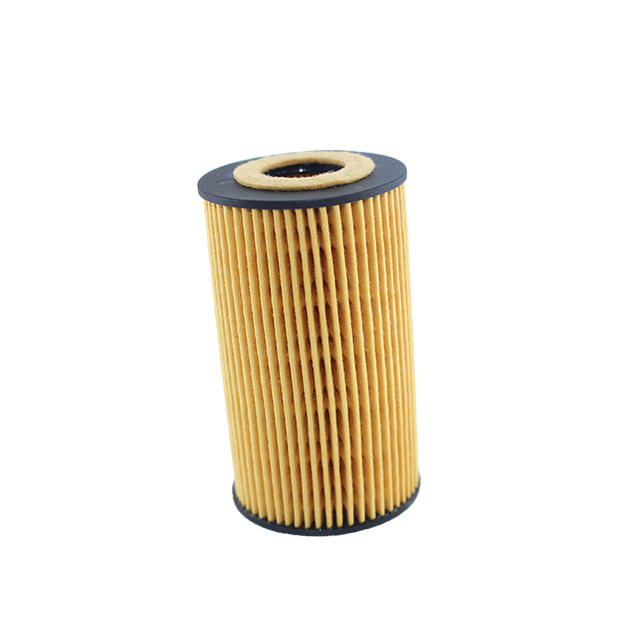
Car oil filters are designed to remove contaminants and impurities from the engine oil, preventing them from circulating and causing damage to the engine. In industrial equipment, the stakes are even higher, as any malfunction or breakdown can lead to costly downtime and repairs.
**The Importance of Clean Oil**
Clean oil is essential for the smooth operation of industrial equipment. Contaminants such as dirt, metal particles, and sludge can cause friction, wear, and overheating, leading to decreased performance and increased fuel consumption. Car oil filters play a vital role in removing these impurities, ensuring that the oil remains clean and effective in lubricating and protecting the engine.
**Extended Lifespan**
By maintaining clean oil, car oil filters help to extend the lifespan of industrial equipment. Regular oil changes and filter replacements are necessary to prevent buildup and ensure that the engine can function optimally for years to come. This proactive approach not only saves money on costly repairs and replacements but also maximizes the efficiency and productivity of the equipment.
**Cost Savings**
Investing in quality car oil filters may seem like an added expense, but the long-term benefits far outweigh the initial cost. By protecting the engine from damage and reducing the risk of breakdowns, filters can save businesses money in the long run. Additionally, the improved efficiency and performance of the equipment can lead to lower fuel consumption and operating costs.
**Choosing the Right Filter**
When it comes to selecting a car oil filter for industrial equipment, it is essential to consider factors such as filter efficiency, compatibility with the engine, and the manufacturer's recommendations. Investing in a high-quality filter from a reputable brand can make a significant difference in the overall performance and longevity of the equipment.
**FAQs**
**1. How often should car oil filters be replaced in industrial equipment?**
It is recommended to replace the oil filter every time you change the oil, typically every 3,000 to 5,000 miles depending on the type of equipment and usage.
**2. Can using a low-quality oil filter damage industrial equipment?**
Yes, using a low-quality oil filter can lead to engine damage, decreased performance, and costly repairs in the long run.
**3. What are the signs that a car oil filter needs to be replaced?**
Common signs include decreased fuel efficiency, engine noise, and a decrease in overall performance and power.
**4. Are there different types of car oil filters available for industrial equipment?**
Yes, there are various types of oil filters, including standard, high-efficiency, and synthetic filters, each with its own benefits and features.
**5. How can regular maintenance of car oil filters benefit industrial equipment?**
Regular maintenance, including oil changes and filter replacements, can help prevent engine damage, improve performance, and extend the lifespan of industrial equipment.
**Conclusion**
In conclusion, car oil filters play a crucial role in maximizing efficiency and prolonging the lifespan of industrial equipment. By investing in quality filters, businesses can protect their assets, reduce costs, and ensure smooth operations for years to come. Don't underestimate the importance of these small yet essential components in optimizing the performance of your equipment.
Key words:

* Please Enter Keywords
The company is mainly engaged in the manufacture and sale of auto parts and accessories in the automobile manufacturing industry, the manufacture and sale of automobile rubber products, and the import and export of auto parts.